Erythritol, Xylitol, and Maltitol are three widely used sugar alcohols (polyols), but they serve different purposes in food formulation. Erythritol is best suited to low-calorie products requiring mild sweetness and a cooling mouthfeel. Xylitol provides sweetness close to sucrose, making it useful in chewing gum, mints, and sugar-free confectionery. Maltitol offers bulk, texture, moisture retention, and a sweetness profile closer to conventional sugar, making it particularly suitable for chocolate, bakery products, and soft confectionery. The right choice depends on sweetness intensity, calorie targets, processing behavior, product texture, and digestive tolerance.
For food manufacturers, choosing a sugar alcohol is not simply a matter of replacing sugar gram for gram. Each polyol behaves differently during dissolution, heating, crystallization, storage, and consumption. Understanding these differences helps product developers maintain sensory quality while meeting reduced-sugar and product-labeling requirements.
Understanding Sugar Alcohols in Food Manufacturing
Sugar alcohols, scientifically known as polyols, are carbohydrates with chemical structures containing multiple hydroxyl groups. They are used in food production as sweeteners, bulking agents, humectants, and texture modifiers.
Unlike conventional sugars, polyols are generally not metabolized in exactly the same way as sucrose. Their energy contribution varies by type, and most have a lower impact on blood glucose than conventional sugar. However, they are not all calorie-free, and excessive consumption of certain polyols can cause gastrointestinal discomfort.
The three ingredients compared in this article have different chemical identities:
- Erythritol: A four-carbon sugar alcohol, CAS 149-32-6, commonly used in reduced-calorie foods and beverages.
- Xylitol: A five-carbon sugar alcohol, CAS 87-99-0, known for its sucrose-like sweetness and cooling sensation.
- Maltitol: A disaccharide-derived sugar alcohol, CAS 585-88-6, widely used in confectionery, chocolate, bakery, and dairy applications.
Erythritol: A Low-Calorie Sweetener for Modern Food Products
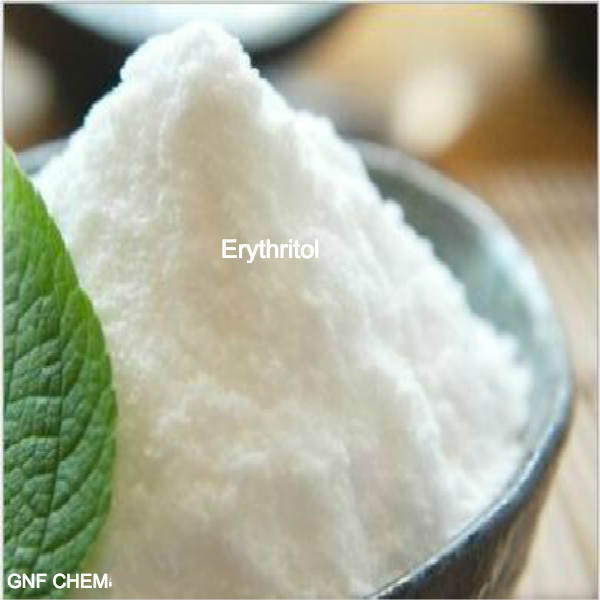
Food Grade Erythritol – CAS 149-32-6
Erythritol is a naturally occurring polyol found in small quantities in certain fruits and fermented foods. Commercial food-grade erythritol is commonly manufactured through microbial fermentation followed by purification and crystallization.
Key functional properties:
- Approximately 60–70% as sweet as sucrose.
- Provides approximately 0.2 kcal/g under the commonly used US FDA energy calculation factor.
- Offers a clean, relatively mild sweetness.
- Creates a noticeable cooling sensation when dissolved.
- Has relatively low hygroscopicity compared with many other polyols.
- Can be used in powdered beverages, confectionery, bakery products, and tabletop sweetener blends.
One advantage of erythritol is its low energy contribution. It is therefore useful in formulations where reducing calories is an important product objective. Its relatively low hygroscopicity can also benefit dry powder handling and storage.
However, erythritol has lower water solubility than xylitol, and its solubility decreases as temperature falls. This can create crystallization or sedimentation concerns in concentrated beverages and refrigerated products. Its strong cooling effect may also be undesirable in certain creamy or delicate flavor systems.
For manufacturers, erythritol is particularly worth evaluating in sugar-reduced beverages, powdered drink mixes, hard candies, and low-calorie tabletop sweeteners. GNF Chemical lists food-grade erythritol with an assay of at least 99% on a dry basis, along with heavy metal, moisture, and microbiological specifications.
Xylitol: Sugar-Like Sweetness with a Cooling Effect

Food Grade Xylitol – CAS 87-99-0
Xylitol is a five-carbon sugar alcohol that can be produced from xylose-containing plant materials, such as corn cobs and hardwood. It is commercially available as a white crystalline powder and is widely used in sugar-free confectionery and oral-care-related food products.
Key functional properties:
- Has approximately the same sweetness intensity as sucrose.
- Provides approximately 2.4 kcal/g under commonly used food-labeling energy factors.
- Offers a pronounced cooling sensation during dissolution.
- Has good water solubility.
- Is not readily fermented by common cavity-causing oral bacteria.
- Works well in chewing gum, mints, candies, and selected oral-care products.
Compared with erythritol, xylitol delivers a sweetness profile closer to conventional sugar. This can simplify sweetness adjustment in products where a familiar sugar-like taste is important.
Its cooling sensation is particularly suitable for peppermint chewing gum, breath mints, and refreshing confectionery. In products where a warm or neutral flavor profile is preferred, however, this cooling effect needs to be considered during sensory development.
Xylitol also has a higher energy contribution than erythritol. Manufacturers should therefore avoid describing it as a zero-calorie sweetener. In addition, excessive intake may cause gastrointestinal discomfort, so product dosage and consumer labeling need to be assessed carefully.
GNF Chemical lists food-grade xylitol under CAS No. 87-99-0, with a specification covering assay, loss on drying, reducing sugars, other polyols, heavy metals, and microbiological quality. Its listed product packaging includes 25 kg bags.
Maltitol: A Functional Sugar Substitute for Confectionery and Bakery
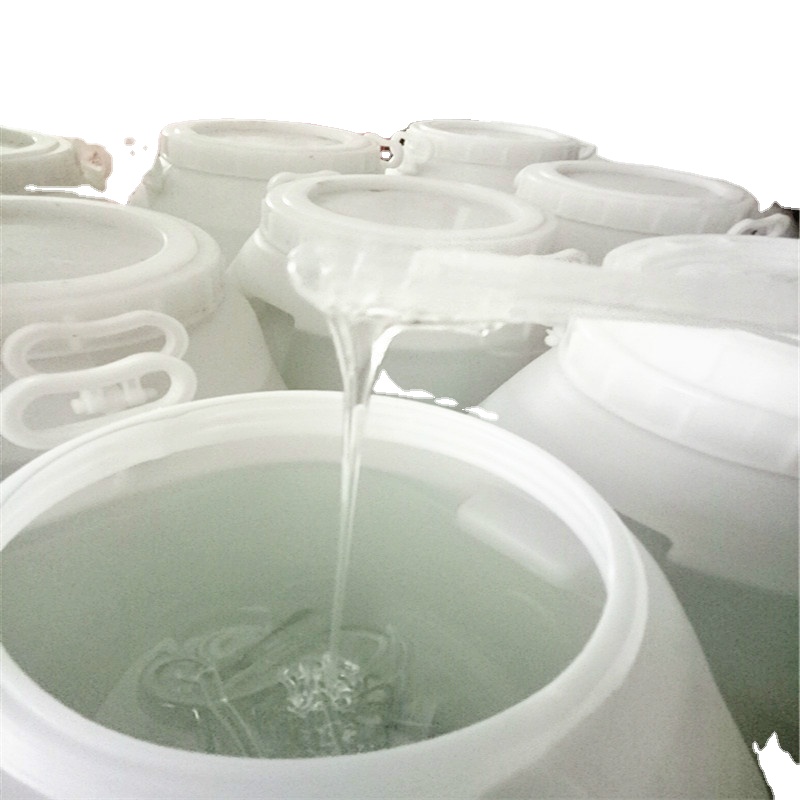
Food Grade Maltitol Syrup – CAS 585-88-6
Maltitol is a sugar alcohol produced through the hydrogenation of maltose, which is generally derived from starch-based raw materials. It is available in powder and syrup forms, giving food manufacturers flexibility when developing different product textures.
Key functional properties:
- Provides approximately 75–90% of sucrose sweetness, depending on the product and test conditions.
- Has an energy contribution of approximately 2.1 kcal/g under commonly used food-labeling factors.
- Provides bulk and contributes to product structure.
- Offers useful moisture-retention and humectant properties.
- Can help control crystallization in confectionery systems.
- Is available in powder and liquid syrup formats.
Maltitol is particularly useful when sugar reduction must be achieved without sacrificing too much of the original product texture. In chocolate and confectionery, it can contribute to bulk, sweetness, and mouthfeel. In bakery and soft confectionery, its moisture-management properties can help maintain product texture during storage.
Maltitol syrup is especially useful in formulations requiring a liquid sweetener and moisture retention. Powdered maltitol may be more convenient for dry blending and applications requiring controlled solids addition.
A key purchasing consideration is the distinction between total dry solids and actual maltitol content. GNF Chemical lists a maltitol syrup product with at least 75% dry solids and at least 50% maltitol. Buyers should evaluate both parameters rather than interpreting the product name as a guaranteed 75% maltitol assay.
Erythritol vs. Xylitol vs. Maltitol: Key Differences
| Property | Erythritol | Xylitol | Maltitol |
|---|---|---|---|
| CAS Number | 149-32-6 | 87-99-0 | 585-88-6 |
| Relative Sweetness | 60–70% | About 100% | 75–90% |
| Energy Value | About 0.2 kcal/g | About 2.4 kcal/g | About 2.1 kcal/g |
| Cooling Effect | Pronounced | Pronounced | Generally mild |
| Main Function | Low-calorie bulk sweetening | Sugar-like sweetness | Bulk, texture and moisture retention |
| Common Applications | Beverages, candies, tabletop blends | Gum, mints, confectionery | Chocolate, bakery, soft candy |
The values above are approximate formulation references. Sweetness perception varies with concentration, temperature, food matrix, and the presence of other ingredients. Energy values also depend on the applicable national labeling rules.
How to Choose the Right Sugar Alcohol for Your Food Product
The most suitable polyol depends on the technical requirements of the finished product. The following recommendations provide practical starting points for food formulation teams.
| Product Category | Recommended Ingredient to Evaluate | Main Reason |
|---|---|---|
| Low-Calorie Beverages | Erythritol | Low energy contribution and clean sweetness |
| Chewing Gum | Xylitol | Sugar-like sweetness and cooling effect |
| Breath Mints | Xylitol | Refreshing sensory profile |
| Sugar-Free Chocolate | Maltitol | Bulk and confectionery texture |
| Soft Candy | Maltitol | Moisture retention and sweetness |
| Reduced-Sugar Bakery | Maltitol or a polyol blend | Bulk and texture contribution |
| Powdered Sweetener Blends | Erythritol | Low hygroscopicity and dry blending |
For some products, combining two polyols can improve overall performance. For example, erythritol may be blended with other sweeteners to increase sweetness intensity, while maltitol may be combined with other bulking ingredients to adjust texture and moisture retention.
However, a successful blend requires more than sweetness calculations. R&D teams should evaluate dissolution, crystallization, processing temperature, water activity, storage stability, and sensory performance in the actual food matrix.
Quality Standards and B2B Procurement Considerations
For food ingredient importers, distributors, and manufacturers, consistent raw material quality is essential. Even when two suppliers offer the same polyol, differences in purity, moisture, particle size, and impurity profiles may affect production performance.
Before purchasing in bulk, buyers should check:
- Identity and CAS number: Confirm the chemical identity and food-grade designation.
- Assay: Verify the active polyol content and agreed specification.
- Moisture and dry solids: Particularly important for syrup-grade maltitol and moisture-sensitive powder applications.
- Impurity profile: Check reducing sugars, other polyols, ash, heavy metals, and relevant contaminants.
- Microbiological quality: Review total plate count, yeast, mold, and pathogen specifications where applicable.
- Physical characteristics: Evaluate appearance, particle size, dissolution, and flowability according to the application.
- Documentation: Request a current COA, product specification, batch traceability, and relevant food safety certificates.
- Supply conditions: Confirm MOQ, packaging, shelf life, storage conditions, lead time, and export documentation.
Regulatory compliance must also be considered. In the United States, sugar alcohols are subject to specific food ingredient and labeling requirements. In the European Union, polyols are regulated under applicable food additive and labeling rules. Foods containing more than 10% added polyols generally require the statement "excessive consumption may produce laxative effects" under EU Regulation (EC) No 1333/2008. Permitted uses and labeling requirements should be checked for each target market.
Manufacturers should also account for gastrointestinal tolerance when determining the final inclusion rate. Erythritol, xylitol, and maltitol can all cause digestive discomfort when consumed in excessive amounts, although individual tolerance varies. Product formulation, serving size, and consumer guidance should therefore be considered together.
Why Source Food-Grade Polyols from GNF Chemical?
GNF Chemical is a China-based supplier of food additives and food ingredients, offering a range of sweeteners for food manufacturers, ingredient distributors, importers, and international wholesale buyers.
Its sweetener portfolio includes erythritol, xylitol, maltitol, and other sugar alternatives for different food processing applications. The company provides product specifications and quality documentation to support raw material evaluation and purchasing decisions.
Key B2B sourcing considerations include:
- Food-grade sweetener options for confectionery, bakery, beverages, and other food applications.
- Powder and syrup product formats, depending on ingredient availability.
- Product specifications and batch COA documentation.
- 25 kg bags, drums, and other packaging options subject to product requirements.
- Sample requests and bulk quotation support.
- Export coordination for international distributors and food ingredient buyers.
For procurement teams, comparing the actual assay, dry solids, impurity limits, packaging, and delivery terms is more useful than selecting a supplier based on price alone. Requesting samples and conducting application trials before commercial purchasing can help reduce formulation and production risks.
Frequently Asked Questions About Sugar Alcohols
What is the main difference between erythritol, xylitol, and maltitol?
Erythritol is a low-energy polyol with mild sweetness and a cooling effect. Xylitol has sweetness close to sucrose and is popular in chewing gum and mints. Maltitol provides bulk, moisture retention, and texture, making it suitable for chocolate, bakery, and confectionery products.
Which sugar alcohol is closest to regular sugar?
Xylitol has approximately the same sweetness intensity as sucrose. Maltitol generally provides around 75–90% of sucrose sweetness, while erythritol is less sweet at approximately 60–70%.
Is erythritol better than xylitol for low-calorie food products?
Erythritol generally has a lower energy contribution, approximately 0.2 kcal/g compared with approximately 2.4 kcal/g for xylitol under common US labeling factors. However, xylitol provides stronger sweetness and may be more suitable when sugar-like sweetness is the primary requirement.
Why is maltitol commonly used in sugar-free chocolate?
Maltitol provides bulk and a sweetness profile closer to sucrose than erythritol. It can help maintain the body and texture required in chocolate and confectionery formulations.
Can erythritol, xylitol, and maltitol be mixed together?
Yes, selected polyols can be combined to balance sweetness, texture, and processing properties. However, the blend should be evaluated for crystallization, solubility, moisture behavior, digestive tolerance, and regulatory compliance.
Does maltitol syrup have the same specification as maltitol powder?
No. Maltitol syrup contains water and other dissolved solids, so its dry solids content and maltitol assay are different specification parameters. Buyers should check both values before calculating the required formulation dosage.
What documents should be requested when buying bulk sugar alcohols?
Buyers should request a current COA, product specification, food-grade compliance information, contaminant and microbiological test results, and applicable food safety certificates. Packaging, MOQ, shelf life, and export documentation should also be confirmed.
Choosing the Right Polyol for Better Food Formulation
Erythritol, xylitol, and maltitol each offer distinct advantages in food manufacturing. Erythritol is a strong option for low-calorie formulations, xylitol is useful when sugar-like sweetness and cooling sensations are desired, and maltitol is particularly valuable when bulk, moisture retention, and confectionery texture matter.
The right ingredient should be selected according to the finished product's sensory targets, processing conditions, nutritional positioning, regulatory requirements, and total formulation cost. For manufacturers and distributors sourcing food-grade polyols, GNF Chemical provides multiple sweetener options and product documentation to support ingredient evaluation and bulk procurement.
Looking for a Reliable Sugar Alcohol Supplier?
Explore food-grade erythritol, xylitol, and maltitol for your confectionery, bakery, beverage, and food manufacturing requirements. Contact GNF Chemical for specifications, samples, and bulk quotations.
Technical and regulatory references: