Global sugar reduction is no longer a trend — it's a regulatory reality and a consumer expectation. From sugar taxes in the UK and Mexico to mandatory front-of-pack labeling in the EU and Southeast Asia, food brands are under growing pressure to cut sugar without sacrificing taste or texture. For jelly products, this is especially challenging: sugar isn't just a sweetener in jelly, it's also a texture modifier, a preservative, and a key part of the mouthfeel people expect.
In this article, we break down the technical challenges of formulating low sugar jelly, compare the most commonly used sugar alternatives, and share practical tips for brands looking to launch healthier jelly lines for health-conscious markets.
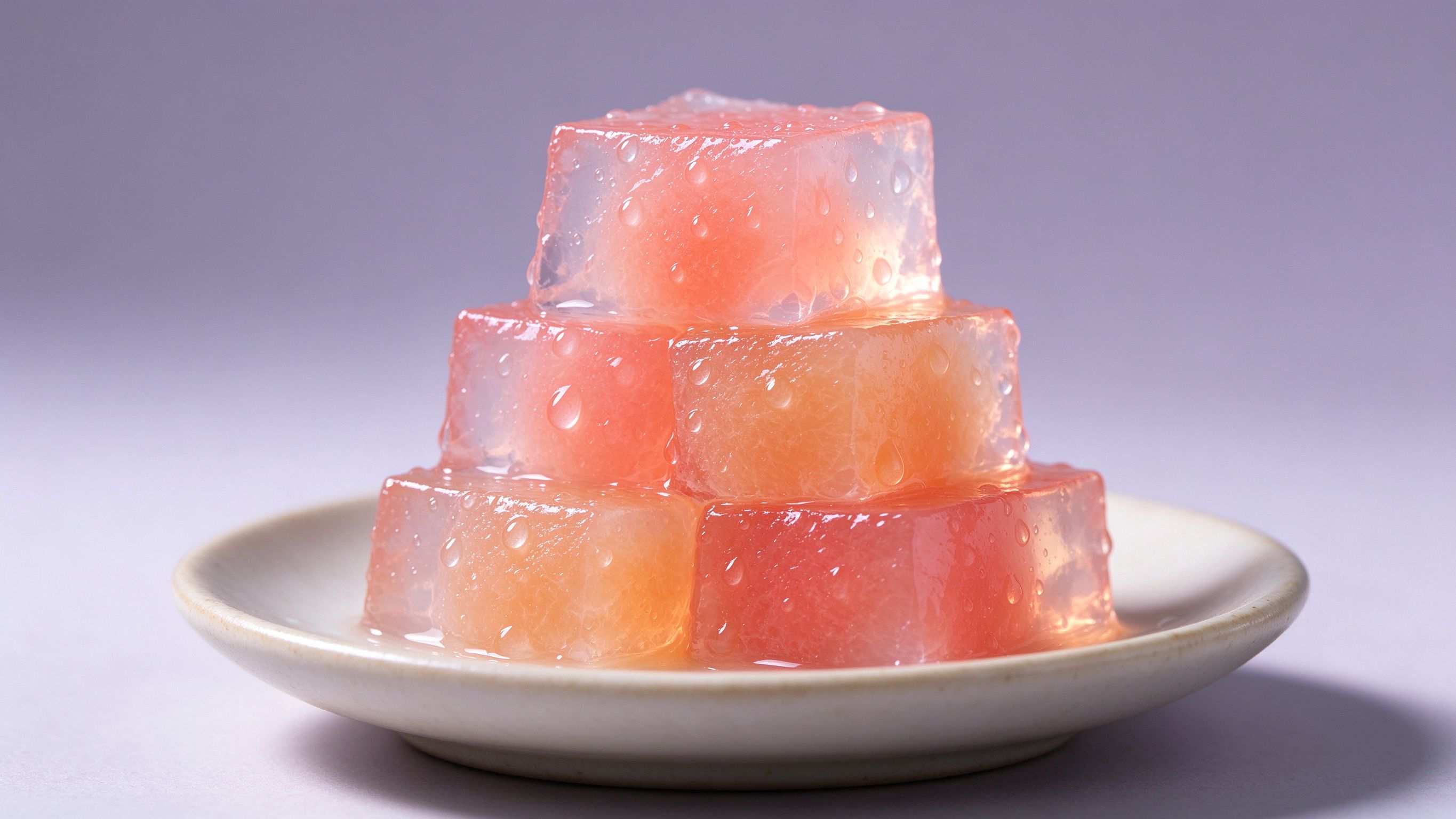
Why Low Sugar Jelly Matters Now
The demand for reduced-sugar confectionery is being driven by three powerful forces:
l Consumer awareness. Across North America, Europe, and increasingly Southeast Asia, shoppers are reading nutrition labels and actively seeking lower-sugar options. Innova Market Insights data shows that products with “no added sugar” or “reduced sugar” claims continue to outpace overall confectionery growth.
l Regulation. Sugar taxes, front-of-pack warning labels, and school nutrition standards are pushing reformulation from the supply side. Brands that don't adapt risk being penalized financially or simply losing shelf space.
l The health and wellness boom. As consumers connect sugar intake to energy crashes, dental health, and long-term metabolic health, they're looking for treats they can feel good about. Jelly, historically perceived as a sugary kids’ snack, has a major image problem to solve — and low sugar reformulation is the fastest way to reposition it.
The Technical Challenge: Why Cutting Sugar in Jelly Is Harder Than You Think
In a traditional jelly recipe, sugar does more than just add sweetness. It serves several structural functions:
l Texture and body: Sugar contributes to the jelly's firmness, elasticity, and melt profile. Remove too much and the product becomes watery, rubbery, or overly soft.
l Flavor balance: Sugar rounds out fruit flavors and masks off-notes from other ingredients. Without it, fruit tastes can become sharp, acidic, or artificially sweet.
l Preservation: Sugar lowers water activity, which naturally extends shelf life. Reducing sugar means you need alternative preservation strategies.
l Standardization: In commercial manufacturing, consistent sugar levels make batch-to-batch quality control easier. Reformulating for low sugar introduces new variables that require careful calibration.
This is why simply swapping sugar for artificial sweeteners rarely works — the resulting product often tastes “off” or has a texture that consumers immediately recognize as diet or sugar-free.
Sugar Alternatives That Work for Jelly
Not every sweetener is suitable for jelly manufacturing. Here are the most commonly used options and how they perform:
l Stevia (Steviol glycosides): A zero-calorie plant-based sweetener. It works well in jelly formulas, but has a characteristic aftertaste that can be noticeable at higher concentrations. Best used in combination with other sweeteners to balance the profile. Stevia is widely accepted in the EU, US, and Southeast Asian markets.
l Erythritol: A sugar alcohol with about 70% of the sweetness of sugar and near-zero calories. It has a clean, sweet taste with no aftertaste, and it doesn't cause the same digestive issues as other sugar alcohols. In jelly, erythritol adds some body and bulk, which helps compensate for removed sugar. The downside: it can have a cooling mouthfeel at higher concentrations, which some consumers find unusual in fruit jelly.
l Monk Fruit (Luo Han Guo): Another zero-calorie natural sweetener derived from a Chinese fruit. It has a clean, sweet profile with minimal aftertaste. Monk fruit is often blended with erythritol or stevia to create a more sugar-like taste. It's particularly popular in premium health-focused products.
l Allulose (Psicose): A rare sugar with about 70% of sugar's sweetness and only 0.4 kcal per gram. Crucially, allulose has almost the same texture and mouthfeel as real sugar — it adds body, bulks, and contributes to gel structure. This makes it one of the best options for low sugar jelly, where texture is critical. The main limitation is cost: allulose is significantly more expensive than other sweeteners, which affects the final product price point.
l Polyols (sorbitol, maltitol, xylitol): Sugar alcohols that provide bulk and some sweetness. They're commonly used in sugar-free confectionery. However, they can have laxative effects at high consumption levels, and they don't taste as sweet as sugar, so they need to be combined with high-intensity sweeteners.
Formulation Tips from a Jelly OEM Perspective
Based on years of custom jelly development, here are the practical lessons we've learned about low sugar reformulation:
l Blend, don't swap. No single sweetener replicates sugar perfectly. The best-tasting low sugar jellies use a combination of a bulk sweetener (erythritol, allulose, or polyols) plus a high-intensity sweetener (stevia, monk fruit, or sucralose). This approach balances sweetness, texture, and taste profile.
l Adjust gelling agent ratios. When sugar is reduced, the gel strength changes. You may need to increase gelatin or agar levels, or adjust the blend of gelling agents, to maintain the right texture. This is part science and part art — it requires trial and error on the production line.
Watch the water activity. Lower sugar means higher water activity, which shortens shelf life. You may need to adjust pH, add natural preservatives, or use modified packaging to maintain product stability.
Where the Opportunity Is
At JoyGlo, we specialize in custom jelly formulation and private label manufacturing, including low sugar, no added sugar, and sugar-free product lines. Our R&D team can help you select the right sweetener blend, optimize texture for your target market, and navigate regulatory requirements for your destination countries.
Explore JoyGlo jelly products →
Frequently Asked Questions
Q: Is low sugar jelly calorie-free?
A: Not necessarily. Sugar-free does not mean calorie-free; bulk sweeteners such as erythritol and allulose still contribute some calories, so check the nutrition panel before making the claim.
Q: Does cutting sugar change the texture of jelly?
A: Yes. Sugar contributes firmness and body, so gelling agent levels usually need to be increased or rebalanced to keep the right bite and melt profile.
Q: Which sweeteners work best in low sugar jelly?
A: A blend works best: a bulk sweetener such as erythritol or allulose for texture and mouthfeel, plus a high-intensity sweetener like stevia or monk fruit for sweetness.
👉 Ready to start your private-label or OEM jelly project?
Explore JoyGlo OEM/ODM services or request a free sample & quote (reply within 24h).
About JoyGlo Food
JoyGlo Food specializes in innovative fruit jelly, fruit beverages, sugarcane juice drinks, and OEM/private label manufacturing services.
We offer customized formulations, packaging solutions, and private label development for global partners looking to bring unique beverage concepts to market.