Sourcing bulk soy sauce for a new restaurant is one of those decisions that quietly shapes everything from your signature dishes to your food cost stability. Many first-time restaurant owners assume soy sauce is a simple commodity purchase, but once you start looking at different grades, fermentation methods, and regional styles, it becomes clear that not all soy sauces behave the same in a commercial kitchen. Choosing the right supplier is not just about price per liter—it’s about consistency, flavor balance, shelf stability, and how well the product fits your menu identity.
For many Asian restaurants, especially those building a menu around Chinese, Cantonese, or fusion cuisine, understanding the core soy sauce categories is the first step. Light soy sauce is typically used for seasoning, while darker varieties bring color, depth, and caramelized complexity to dishes. At the sourcing stage, it often helps to explore established commercial producers that already standardize flavor profiles for bulk supply. For example, a reliable reference point for restaurant-grade products can be found in offerings like Dark Soy Sauce, which is widely used in professional kitchens for braised dishes, marinades, and stir-fry bases. Products like this are designed not only for taste but also for consistency across large batch cooking, which is critical when your kitchen scales up during peak service hours.
Understanding what “bulk soy sauce” really means for restaurants
When suppliers talk about bulk soy sauce, they are usually referring to foodservice packaging—anything from 5-liter jugs to 20-liter drums, or even larger aseptic containers for central kitchens. But volume is only one part of the equation. Restaurants should also pay attention to fermentation method, ingredient quality, and sodium levels.
Naturally brewed soy sauce, for example, develops complexity over months of fermentation. Chemically hydrolyzed versions are faster and cheaper but often lack depth. In a restaurant environment, this difference becomes noticeable in dishes that rely heavily on seasoning rather than sauces—like fried rice, noodle bases, or dipping sauces.
Another overlooked factor is regional taste expectations. A Japanese-inspired restaurant might prioritize cleaner, lighter profiles, while a Chinese braised dish menu often depends on richer, darker soy sauces that can withstand long cooking times without turning bitter.
Where restaurants actually source soy sauce in bulk
Most restaurant owners don’t buy directly from retail shelves. Instead, they go through one of four main channels:
1. Foodservice distributors
Large distributors supply everything from ingredients to packaging. This is the most common route for restaurants that want predictable restocking schedules and credit terms. The downside is limited customization—what you get is usually what the distributor stocks.
2. Direct manufacturers
Working directly with soy sauce producers is ideal for restaurants that need consistent volume and branding control. This route often requires higher minimum order quantities but offers better pricing and customization options, including salt levels, color intensity, and packaging formats.
3. Importers and specialty Asian food suppliers
For restaurants outside Asia, importers play a key role in bringing authentic soy sauces into local markets. These suppliers often carry multiple brands, allowing chefs to test and compare different flavor profiles before committing.
4. Online B2B food platforms
Increasingly, restaurants are sourcing through B2B marketplaces that connect buyers with manufacturers globally. This option is especially useful for smaller restaurants that still want access to premium-grade ingredients without committing to massive bulk contracts.
Regardless of the channel, most chefs will test multiple samples before finalizing a supplier. In fact, tasting side-by-side comparisons is one of the most practical ways to evaluate whether a soy sauce works for your menu or not.
Key factors to evaluate before choosing a supplier
Once you start narrowing down suppliers, the decision becomes less about variety and more about performance under real kitchen conditions.
Flavor consistency is the first priority. In a busy kitchen, you cannot afford variation between batches. Even a slight shift in saltiness or sweetness can alter a signature dish.
Color stability is another important factor. Dark soy sauces are often used to enhance visual appeal in braised meats and stir-fries. If the color oxidizes or changes unpredictably after cooking, it can affect plating consistency.
Ingredient transparency is increasingly important, especially for restaurants positioning themselves as health-conscious or premium dining experiences. Clean-label soy sauces with minimal additives are becoming more in demand.
For example, restaurants looking for naturally brewed, cleaner-label options often explore products like Organic Soy Sauce, which appeal to modern diners who care about sourcing and ingredient integrity. These products are especially useful in upscale or health-oriented menus where customers are more attentive to what goes into their meals.
Matching soy sauce types with your menu strategy
Not all soy sauces serve the same purpose, and choosing the wrong type can subtly weaken your dishes.
Light soy sauce is typically used for seasoning and salt balance. It enhances flavor without overpowering the dish. Dark soy sauce, on the other hand, is more about body, color, and depth. It is commonly used in red-braised dishes, slow-cooked meats, and rich stir-fries.
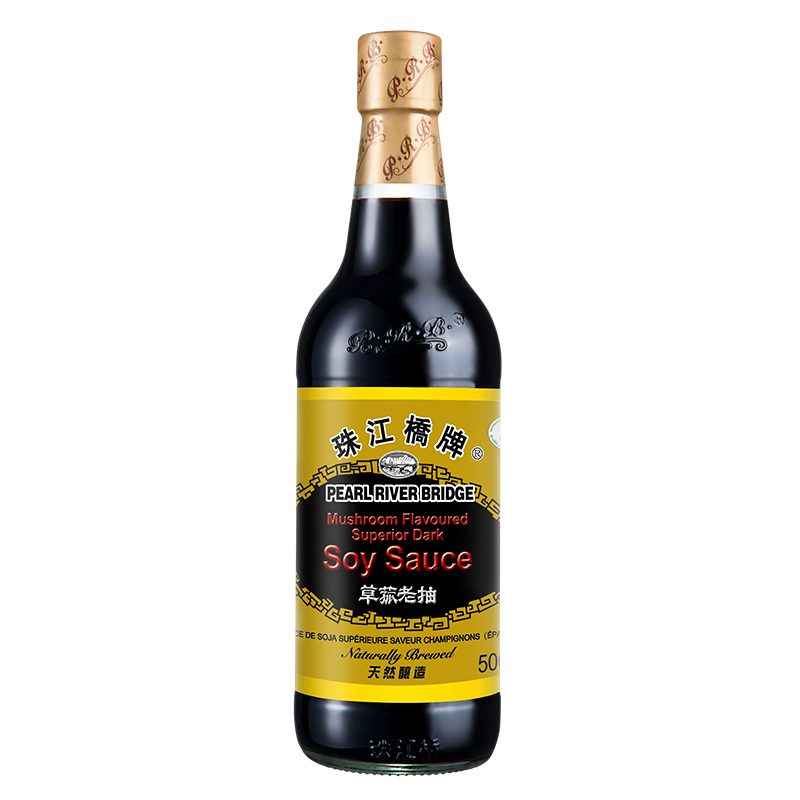
Some restaurants also incorporate specialty variants to add signature notes. Mushroom-infused soy sauces, for instance, bring umami complexity that works well in vegetarian dishes or sauces that need an earthy undertone.
In fact, many chefs build a three-tier soy sauce system in their kitchen:
- A light soy sauce for seasoning
- A dark soy sauce for color and richness
- A specialty infused soy sauce for signature dishes
One example that fits into this specialty category is Mushroom Flavoured Dark Soy Sauce, which is often used to deepen umami while still maintaining the visual richness expected from dark soy-based dishes. It’s particularly effective in plant-based menus or modern fusion dishes where mushrooms are used as a core flavor foundation.
Cost control without sacrificing quality
For new restaurant owners, soy sauce might seem like a low-cost ingredient, but in high-volume kitchens it becomes a significant line item. The key is balancing cost efficiency with flavor integrity.
Buying in bulk almost always reduces unit cost, but it also introduces storage considerations. Soy sauce is stable, but once opened or transferred into smaller containers, it should be stored properly to avoid flavor degradation. Many restaurants invest in sealed dispensing systems to maintain quality over time.
Another strategy is blending. Some kitchens use a premium soy sauce for finishing dishes and a more cost-effective base soy sauce for cooking. This hybrid approach allows chefs to maintain flavor quality while controlling costs.
Storage, handling, and kitchen workflow
Proper storage is often overlooked but plays a major role in maintaining soy sauce quality. Bulk containers should be stored in cool, dry places away from direct sunlight. Once transferred into kitchen containers, they should be labeled clearly with batch dates to ensure rotation.
In busy kitchens, efficiency matters. Many restaurants set up centralized sauce stations where soy sauce is portioned into squeeze bottles or ladles for quick access during service. This reduces prep time and ensures consistent usage across different cooks.
Training staff is also important. Even high-quality soy sauce can be misused if chefs are not aligned on portion control and dish standards.
Building long-term supplier relationships
Once you find a soy sauce supplier that works for your restaurant, the relationship becomes part of your operational stability. Reliable suppliers often provide more than just products—they can offer formulation adjustments, private labeling, and even menu development support.
Over time, this consistency becomes part of your restaurant’s identity. Regular customers may not consciously recognize the soy sauce itself, but they will notice when flavors remain stable across visits.
As your restaurant grows, you may also expand into multiple soy sauce profiles to support seasonal menus or new dishes. At that stage, having a dependable supply chain becomes even more valuable than the initial cost savings.
A well-chosen soy sauce is not just an ingredient—it becomes part of the foundation of your cooking style, shaping how your dishes evolve and how customers remember your food.
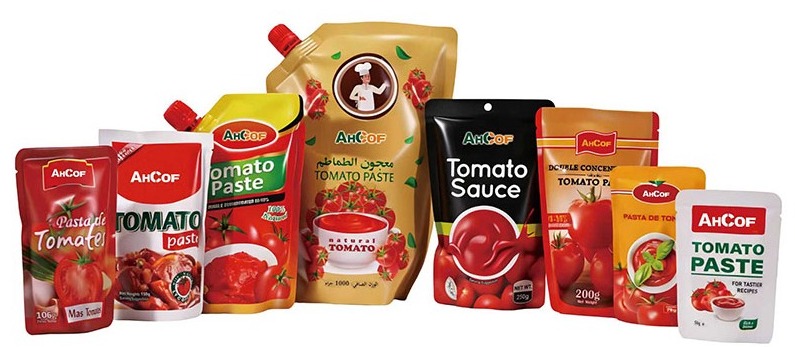
Are you still relying on traditional tin cans for your tomato supply, or are you looking for a more efficient, leak-proof, and cost-effective packaging solution? In the competitive food industry, heavy and rust-prone metal cans are fast becoming a thing of the past. As global shipping costs fluctuate and buyers demand maximum convenience, smart importers and culinary experts are asking: What makes flexible tomato packaging the smarter investment? The answer lies in the massive shift toward [sachet tomato paste]—a game-changer that is redefining kitchen efficiency and supply chain profitability worldwide.
What Are the Real Advantages of Tomato Paste in a Pouch? Why are businesses and home cooks switching from rigid tins to flexible pouches? The main reason is preservation and flavor integrity. Unlike iron cans that can oxidize and leave a metallic aftertaste once opened, modern multi-layer laminates offer superior barrier properties against light and oxygen. This ensures that the [tomato paste in pouch] retains its natural, rich red color and deep umami flavor for longer. Additionally, pouches eliminate the safety risk of metal shavings and make portion control effortless—you can squeeze out every last drop with zero waste, saving both time and money in fast-paced commercial kitchens.
How and Where Can You Best Apply Sachet Tomato Paste?
From bustling restaurant kitchens to retail supermarket shelves, where exactly does this product shine the most? The beauty of flexible packaging is its incredible versatility across different market segments:
Industrial & Commercial Catering: Large stand-up pouches with handy screw caps (like 1000g sizes) allow chefs to seal and reuse the product multiple times without transferring it to separate containers.
Retail & Household Consumer Goods: Smaller 50g to 70g sachets are perfect for single-use meal preps, fitting seamlessly into the fast-paced lifestyle of modern consumers who dislike food waste.
Outdoor & Ration Kits: Because they are lightweight and unbreakable, these sachets are highly preferred for camping food supplies and military food rations.
What Delicious Recipes Can You Create to Boost Your Culinary ROI?
How do you turn a simple dish into a rich, savory masterpiece that keeps customers coming back? High-quality tomato paste is the ultimate secret weapon for adding depth to any cuisine. By incorporating concentrated, premium [double concentrated tomato paste], you can instantly elevate classic recipes:
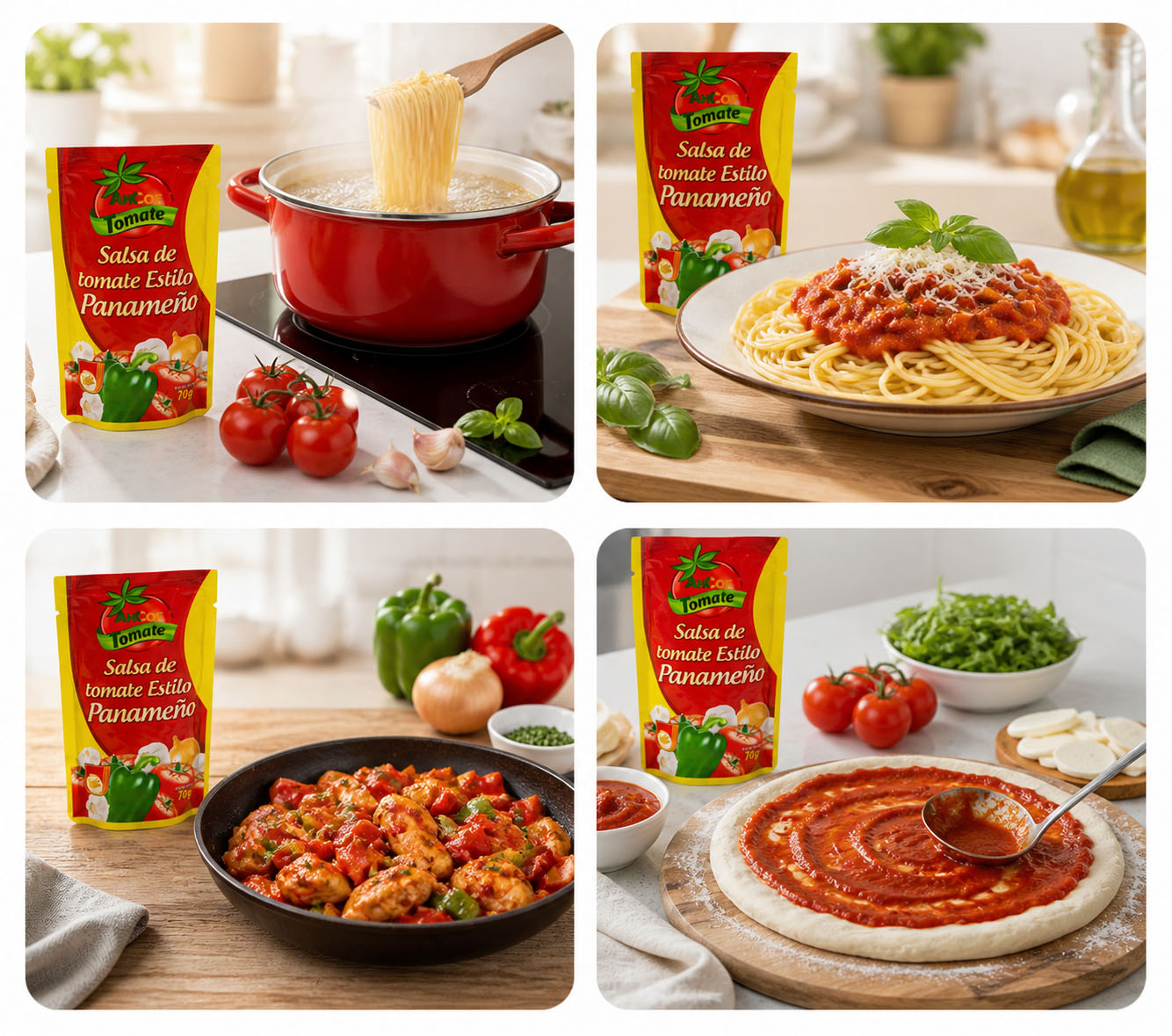
Authentic Pasta & Pizza Bases: Sautéing the paste with a little olive oil unlocks its full aroma, creating a vibrant, thick base for Italian sauces.
Rich Stews & Curries: It acts as a natural thickener and flavor enhancer for West African Jollof rice, beef stews, and middle-eastern tagines.
Soups & Gravies: It blends smoothly without lumping, adding a perfect balance of acidity and sweetness to signature broths.
Looking for a Certified Bulk Tomato Paste Supplier?
Are you a food wholesaler, private label brand owner, or supermarket importer seeking a reliable manufacturing partner? At AHCOF, we combine state-of-the-art hot-filling technology with global quality standards to supply premium tomato products tailored to your market needs. Whether you need customized brix levels (such as 28-30% or 22-24%) or flexible OEM/ODM packaging options, we are here to support your supply chain.
👉[Contact Our Experts Today to Request Free Product Samples and Wholesaler Pricing!]
Hot Pot vs Korean BBQ vs Hot Pot & BBQ Combo: Which Restaurant Concept Is More Popular in 2026?
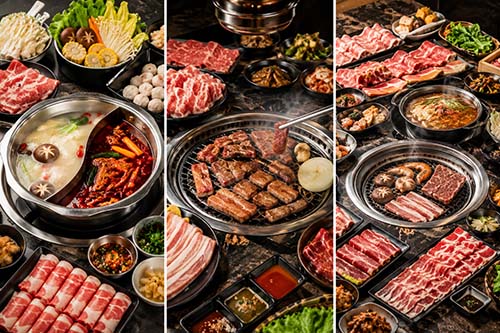
Opening an interactive dining restaurant is no longer just about serving good food. Restaurant owners now need to choose a concept that matches customer demand, social media trends, operational costs, and long-term growth potential.
Today, the three biggest interactive dining concepts are:
- Hot Pot
- Korean BBQ
- Hot Pot & Korean BBQ Combo
But which one is actually more popular? And which one gives restaurant owners the best business opportunity?
This article compares real market trends, customer behavior, and restaurant advantages to help investors and restaurant owners make smarter decisions.
Global Popularity Comparison
1. Hot Pot: The Largest Market by Overall Consumption
Hot pot remains the largest interactive dining category globally, mainly because of the massive market in China.
Market Advantages
- Huge customer base
- High table turnover
- Strong family dining demand
- Easy menu expansion
- Works across many cultures
Consumer Trends
Hot pot performs especially well in:
- Family dining
- Group gatherings
- Winter seasons
- All-you-can-eat business models
Search Trend Performance
Globally, “Hot Pot” usually receives significantly higher total search volume than “Korean BBQ,” especially in Asian markets.
Strong search regions include:
- China
- Southeast Asia
- Canada
- United States
Business Reality
Hot pot restaurants generally:
- Require lower ventilation costs than Korean BBQ
- Have simpler smoke control systems
- Offer higher ingredient flexibility
- Allow easier standardization
This makes hot pot easier for many first-time restaurant investors.
2. Korean BBQ: Strongest Social Media and Young Customer Appeal
Korean BBQ has experienced rapid international growth because of Korean entertainment culture and social media influence.
Market Advantages
- Strong visual appeal
- Premium dining image
- Higher meat-focused spending
- Popular with younger customers
Consumer Trends
Korean BBQ performs especially well among:
- Gen Z customers
- Young professionals
- Social dining groups
- Night dining markets
Search Trend Performance
Searches for “Korean BBQ” continue growing rapidly in:
- United States
- Australia
- Middle East
- Southeast Asia
In some Western cities, Korean BBQ restaurants now outperform traditional Asian dining concepts on social media engagement.
Business Reality
However, Korean BBQ also brings operational challenges:
- Higher ventilation investment
- Smoke extraction requirements
- Higher air-conditioning costs
- More complicated maintenance
Restaurant owners usually need strong smokeless BBQ equipment to operate efficiently.
3. Hot Pot & Korean BBQ Combo: The Fastest Growing Restaurant Model
The fastest-growing trend is the combination of Hot Pot and Korean BBQ together.
Many new restaurant projects now choose combo tables because they attract wider customer groups.
Why More Investors Choose Combo Restaurants
1. Wider Customer Coverage
Some customers want soup. Others want grilled meat.
A combo restaurant satisfies both.
This helps restaurant owners attract:
- Families
- Couples
- Young groups
- Mixed dining preferences
2. Higher Average Spending Per Table
Combo restaurants usually sell:
- BBQ meat platters
- Hot pot ingredients
- Premium seafood
- Soup bases
- Sauces
- Drinks
Customers tend to stay longer and order more.
3. Stronger Social Media Performance
Interactive dining performs well online.
But combo restaurants create even more visual excitement:
- Steam from hot pot
- Grilling action
- Large ingredient platters
- Group dining atmosphere
This helps generate more customer photos and videos.
4. Better Competitive Differentiation
In many cities:
- Standard hot pot restaurants are already common
- Korean BBQ competition is increasing rapidly
But combo restaurants still feel newer and more unique in many markets.
Which Concept Should Restaurant Owners Choose?
Choose Hot Pot If:
- You want easier operations
- Your market prefers family dining
- You need lower ventilation costs
- You plan to scale multiple locations
Choose Korean BBQ If:
- Your market has strong youth culture
- You want premium pricing
- Social media marketing is important
- You can invest in ventilation systems
Choose Hot Pot & Korean BBQ Combo If:
- You want maximum customer coverage
- You want stronger social media appeal
- You want higher average spending
- You want a more future-oriented concept
From a pure global consumption perspective, Hot Pot remains the largest category.
From a trend and branding perspective, Korean BBQ continues to grow strongly worldwide.
But from a restaurant investment perspective, Hot Pot & Korean BBQ Combo restaurants are becoming one of the most attractive opportunities in the industry because they combine:
- Broader customer appeal
- Higher spending potential
- Strong social media performance
- Flexible menu design
- Better long-term differentiation
For many restaurant owners in 2026, the question is no longer “Hot Pot or Korean BBQ?”
The real trend is combining both into one powerful dining experience.
Hot pot restaurants are growing fast around the world. More restaurant owners now want modern hot pot tables that improve customer experience, save space, and create a better restaurant atmosphere. Interactive dining continues to become one of the strongest restaurant trends in 2026, especially for hot pot and Korean BBQ concepts.
But with so many suppliers online, where can you actually find the best hot pot tables for sale?
This guide will help restaurant owners choose the right supplier and avoid common mistakes when buying hot pot restaurant equipment online.
What Makes a Good Hot Pot Table?
A hot pot table is not just a dining table. It is one of the most important parts of the restaurant experience.
A good hot pot table should offer:
- Durable materials for commercial restaurant use
- Built-in induction cookers for safe heating
- Easy cleaning and maintenance
- Comfortable dining space
- Modern and attractive design
- Flexible customization options
Many restaurant owners now prefer built-in induction hot pot tables because they create a cleaner and more premium dining environment.
If you want to learn more about induction systems, you can also read our article about
“Hot Pot Induction Cooker Types: Single Pot vs Multi-Pot for Restaurants.
Why Buying Online Has Become Popular
Years ago, restaurant owners usually purchased equipment locally. Today, many buyers purchase directly from manufacturers online because they can get:
- Better prices
- More customization choices
- Factory-direct service
- International shipping support
- Newer restaurant designs
- One-stop purchasing solutions
Especially for hot pot and Korean BBQ restaurants, online suppliers often provide complete restaurant solutions including tables, chairs, grills, induction cookers, ventilation systems, and soup bases.
Google Search
Many professional hot pot equipment manufacturers now have their own websites.
Buying directly from a manufacturer website often gives restaurant owners:
- Better communication
- More professional support
- Better customization service
- Direct factory pricing
- More detailed product information
Searching keywords like:
- hot pot tables for sale
- restaurant hot pot table supplier
- commercial hot pot tables
- hot pot restaurant equipment
can help restaurant owners find specialized suppliers.
Why More Restaurant Owners Choose CENHOT
At CENHOT we specialize in hot pot and Korean BBQ restaurant equipment with more than 20 years of experience.
We are not just selling tables. We help restaurant owners build complete interactive dining restaurants.
Our products include:
- Hot pot tables
- Korean BBQ tables
- Hot pot & BBQ combo tables
- Built-in induction cookers
- Smokeless BBQ systems
- Restaurant ventilation systems
- Hot pot soup bases and sauces
What Makes Us Different?
Factory Experience
We understand real restaurant operation needs. Our products are designed for commercial restaurant use, not temporary home use.
Custom Design Support
Different restaurants need different table sizes, materials, colors, and layouts. We support customized solutions for various markets.
One-Stop Restaurant Solution
Many customers prefer working with one supplier instead of coordinating with multiple factories.
We can help simplify the entire restaurant setup process.
Global Shipping Experience
We have rich export experience for:
- North America
- Europe
- Middle East
- Southeast Asia
- South America
We also support door-to-door delivery services for many countries.
Hot Pot Dining Continues to Grow Worldwide
Hot pot is no longer limited to traditional Chinese dining. It has become a global restaurant trend because customers enjoy:
- Interactive dining
- Group experiences
- Social atmosphere
- Personalized food choices
Many modern restaurants now combine hot pot and Korean BBQ together to attract wider customer groups.
Consumers also increasingly prefer experience-based dining instead of traditional dining formats.
This is why choosing the right hot pot tables matters more than ever.
How to Choose the Right Hot Pot Table Supplier
Before buying online, restaurant owners should always check:
- Factory experience
- Real customer cases
- Product certifications
- Customization ability
- Shipping experience
- Communication speed
- After-sales support
The cheapest supplier is not always the best choice. Long-term reliability is much more important for restaurant projects.
Finding the best hot pot tables for sale online is not only about price. Restaurant owners should focus on quality, experience, customization, and long-term support.
A professional hot pot table supplier can help improve restaurant efficiency, customer experience, and overall restaurant image.
If you are planning to open a hot pot or Korean BBQ restaurant, CENHOT can help you build a complete dining solution from equipment to restaurant layout support.
You can explore more restaurant equipment solutions here:
https://www.cenhot.com/
How to Design a Hot Pot and Korean BBQ Menu That Customers Can’t Resist
A great restaurant menu does more than list dishes—it influences what customers order, how much they spend, and whether they come back again. For hot pot and Korean BBQ restaurants, a well-designed menu can significantly increase sales by guiding customers toward popular and profitable items.
Whether you are opening a new restaurant or upgrading your existing concept, here are proven strategies to create a menu that triggers customers' "must-order" desire.
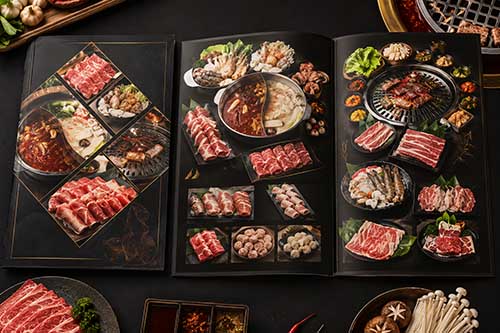
Highlight Signature Dishes First
Customers often make ordering decisions within the first few minutes of opening a menu.
Place your best-selling items in highly visible areas such as:
- The top of each category
- Special recommendation sections
- Featured boxes with attractive photos
Examples include:
- Premium Wagyu Beef
- Signature Marinated Short Ribs
- House Special Spicy Beef
- Seafood Combination Platter
- Premium Hot Pot Set
When customers see these items first, they are more likely to order them.
Use High-Quality Food Photography
People eat with their eyes first.
Professional food photography can dramatically increase sales. Use large, clear images that showcase:
- Fresh marbled beef
- Colorful seafood platters
- Fresh vegetables
- Rich hot pot broth
- Grilled Korean BBQ meats
Avoid overcrowding the menu with too many photos. Instead, focus on your highest-margin and most attractive dishes.
Create Attractive Combo Sets
Many customers prefer convenience when ordering.
Offer combination packages such as:
Hot Pot Set for 2
- Choice of soup base
- Beef platter
- Vegetable platter
- Noodles
- Drinks
Korean BBQ Set for 4
- Marinated beef
- Pork belly
- Chicken
- Side dishes
- Lettuce wraps
Hot Pot and Korean BBQ Combo Set
- Shared soup base
- BBQ meat assortment
- Seafood selection
- Vegetables
- Desserts
Restaurants equipped with a hot pot and Korean BBQ table can especially benefit from combo sets because customers can enjoy both cooking styles at the same table.
Use Descriptive Menu Language
Instead of writing:
"Beef Slices"
Write:
"Premium Hand-Selected Marbled Beef Slices"
Instead of:
"Spicy Broth"
Write:
"Rich Traditional Spicy Broth Made with Premium Chili Peppers"
Descriptive language creates stronger cravings and helps customers justify premium prices.
Organize the Menu for Easy Reading
Customers should find what they want quickly.
A typical structure might include:
Hot Pot Section
- Soup Bases
- Beef
- Lamb
- Seafood
- Vegetables
- Noodles
Korean BBQ Section
- Marinated Beef
- Pork Belly
- Chicken
- Seafood
- Side Dishes
Drinks and Desserts
A clean layout reduces decision fatigue and improves ordering confidence.
Match the Menu with Your Dining Equipment
Your menu and equipment should work together.
For restaurants using a hot pot and Korean BBQ table, menu categories can be specifically designed to encourage customers to enjoy both experiences simultaneously.
For example:
- Grill Premium Meats While Enjoying Hot Pot
- Surf and Turf Combination Sets
- Dual Dining Experience Packages
This increases table spending and enhances customer satisfaction.
A successful hot pot and Korean BBQ menu is not just about offering more dishes. It is about guiding customer choices, increasing perceived value, and encouraging higher spending.
By combining attractive menu design, high-quality food presentation, smart combo sets, and professional hot pot and Korean BBQ table solutions, restaurant owners can create a dining experience that customers remember—and return for again.
If you are planning to open or upgrade a hot pot or Korean BBQ restaurant, investing in both menu design and restaurant equipment is one of the smartest ways to improve profitability.
You want your restaurant to thrive. Start by identifying the right soy sauce for your menu. Pearl River Bridge stands as a trusted choice for bulk orders. You can order online and enjoy convenience, cost savings, and factory direct supply. Online shopping lets you compare options quickly and connect with a Soy Sauce Factory for authentic products. Visit the regular soy sauce page to explore reliable selections. Online ordering empowers you to take control and simplify your supply chain. Experience the ease of sourcing soy sauce online.
Key Takeaways
-
Identify your restaurant's soy sauce needs by tracking weekly and monthly usage to ensure consistent flavor.
-
Choose between regular and premium soy sauce based on the dishes you serve and the quality you want to deliver.
-
Select bulk packaging that fits your operation, such as 1-gallon jugs for smaller kitchens or 5-gallon drums for larger ones.
-
Find trusted online suppliers by exploring wholesale platforms and restaurant supply sites for competitive prices.
-
Verify supplier credibility by checking certifications and reading customer reviews to ensure quality and reliability.
-
Take advantage of bulk discounts and free shipping thresholds to maximize your savings on soy sauce orders.
-
Set up recurring orders or subscriptions to maintain a steady supply of soy sauce without the hassle of frequent reordering.
-
Review return policies and procedures for handling damaged orders to protect your investment and ensure smooth operations.
Assess Your Soy Sauce Needs
Estimate Quantity
Weekly and monthly usage
You want your restaurant to deliver consistent flavor in every dish. Start by calculating the quantity of soy sauce you use each week and month. Track how many asian dishes you prepare daily. Consider the number of servings and the ingredients required for each recipe. If you serve a variety of asian dishes, your soy sauce selection must match the demand. Estimate the quantity for both busy and slow periods. This helps you avoid running out and ensures you always have enough savory and salty ingredients on hand.
Storage considerations
Proper storage keeps your soy sauce fresh and maintains its aroma. Choose a cool, dry place away from direct sunlight. Bulk containers require sturdy shelving and easy access. Organize your storage area so you can rotate stock and maintain quality. Check the consistency of your soy sauce regularly. If you use organic ingredients, ensure your storage meets health standards. Good storage practices protect the rich aroma and traditional flavor of your soy sauce.
Choose Type and Brand
Regular vs. premium soy sauce
You face many options when selecting soy sauce for your restaurant. Understanding the types of soy sauces helps you make the best choice. Consider these points:
-
Premium soy sauce comes from the first batch of fermentation, offering a rich aroma and deeper savory flavor.
-
Regular soy sauce provides a traditional salty taste and works well in most asian dishes.
-
High-quality soy sauce is naturally brewed, using a traditional process that develops complex flavors and aroma.
-
Cheaper soy sauces use chemical methods, which lack depth and consistency.
-
The Total Nitrogen Index measures protein content and flavor richness. Higher TN values mean richer umami and aroma.
Your selection depends on the dishes you serve and the quality you want to deliver. Pearl River Bridge stands out among popular soy sauce brands for its traditional brewing methods and rich aroma. Explore their regular soy sauce for reliable quality and savory ingredients.
Pearl River Bridge options
Pearl River Bridge offers a variety of traditional and organic soy sauce options. You can choose regular soy sauce for everyday asian dishes or premium options for signature recipes. Their selection includes naturally brewed soy sauce, which enhances the aroma and savory taste of your dishes. You get consistency and quality with every batch. Pearl River Bridge remains a favorite among popular soy sauce brands for its rich flavor and organic ingredients.
Select Packaging
Bulk containers
You need packaging that fits your operation. Restaurants often choose bulk containers for efficiency and cost savings. Here’s a quick overview:
|
Packaging Size |
Usage in Restaurants |
|---|---|
|
1-gallon jugs |
Suitable for smaller operations |
|
5-gallon drums |
Commonly used in industrial kitchens |
|
Smaller table-size bottles |
Used for serving at the table |
Bulk packaging ensures you always have enough salty and savory ingredients for your asian dishes. It also helps you maintain consistency and quality in every meal.
Easy dispensing solutions
Easy dispensing solutions simplify your workflow. Choose containers with spouts or pumps for quick access. This keeps your ingredients fresh and preserves the aroma. You save time and reduce waste. Pearl River Bridge offers packaging options that support efficient dispensing and storage. Their selection helps you maintain the traditional quality and rich aroma your customers expect.
Tip: Review your soy sauce selection regularly. Adjust your quantity and packaging options as your menu changes. This keeps your dishes flavorful and your operation running smoothly
Find Trusted Online Suppliers
You want your restaurant to succeed. Reliable suppliers make all the difference. When you choose the right soy sauce factory, you secure the foundation for your kitchen’s flavor and consistency. You gain peace of mind knowing your ingredients come from a trusted source.
Where to Search
Wholesale platforms
You can start your search on popular wholesale platforms. These sites offer a wide range of soy sauce factory options for restaurants. You find competitive prices and bulk deals. The most popular platforms include:
-
Amazon
-
Tmall
-
JD.com
-
Lazada
-
Shopee
You can compare different options and select the best fit for your needs. Each platform connects you with suppliers who understand the demands of the food service industry.
Restaurant supply sites
Restaurant supply sites focus on professional kitchens. You discover specialized options for bulk soy sauce orders. These sites often partner directly with a soy sauce factory, ensuring you receive authentic products. You benefit from streamlined ordering and dedicated customer support. Explore these sites to find options tailored for restaurants like yours.
Verify Supplier Credibility
Certifications and reviews
You want to trust your supplier. Look for certifications that prove the soy sauce factory meets international standards. Key certifications include:
-
HACCP
-
BSCI
-
BRC
-
FDA
-
Non-GMO
-
HALAL
You should also read customer reviews. Positive feedback shows that the supplier delivers quality and reliability. You build confidence by choosing a soy sauce factory with strong credentials and satisfied clients.
Business reputation
A strong business reputation sets a supplier apart. You can check how long the soy sauce factory has served the market. You can ask for references or case studies. Reliable suppliers respond quickly and provide clear answers. You want a partner who values your business and supports your growth.
Pearl River Bridge Soy Sauce Factory
Direct sourcing benefits
You unlock many advantages when you source directly from the Pearl River Bridge soy sauce factory. You gain access to exclusive options and personalized service. The table below shows the benefits you receive:
|
Advantage |
Description |
|---|---|
|
Customization Options |
You can customize sauces to meet your restaurant’s unique needs. |
|
Flexible Minimum Order Quantity |
You enjoy adaptable order sizes, perfect for both new and established restaurants. |
|
Wide Range of Products |
You select from a diverse range of options, simplifying your sourcing process. |
|
Labeling Design Support |
You receive help with product labeling, reducing regulatory risks. |
|
Regulatory Expertise |
You benefit from global market experience, ensuring compliance and smooth product launches. |
|
Strong Supply Chain |
You rely on over 50 years of partnerships for quality and timely delivery. |
|
Fast Delivery |
You experience quick development and delivery, helping you stay ahead in the market. |
You see how direct sourcing from the soy sauce factory gives you flexibility and control. You can adjust your options as your menu evolves. You also enjoy support from a team that understands your business.
Factory-to-restaurant supply chain
You want a seamless supply chain. The Pearl River Bridge soy sauce factory connects directly with your restaurant. You cut out the middleman and reduce delays. You receive fresh products and consistent quality. This direct link means you always have the options you need, when you need them. You build a lasting partnership with a soy sauce factory that shares your commitment to excellence.
Tip: Choose a supplier with a proven track record. Direct connections with a soy sauce factory give you the confidence to serve your customers the best every day.
Compare Products and Prices
You want your restaurant to stand out. Comparing products and prices helps you make the best choice for your kitchen. When you focus on quality and value, you set your menu up for success. Pearl River Bridge gives you the tools to evaluate every detail and find the right fit for your needs.
Evaluate Quality
Product specs and origin
You deserve soy sauce that delivers consistent results. Start by checking the product specs. Look for details like brewing method, ingredient list, and protein content. These factors shape the flavor and aroma in every dish.
-
Soy sauce has a rich history. It began as 'jan', a fermented seasoning from China.
-
Over time, different regions developed unique styles. Japanese soy sauce uses roasted wheat for a sweeter, full-bodied taste. Chinese soy sauce uses wheat flour, creating a heavier, saltier finish.
-
Authentic brewed soy sauce, such as Honjozo, uses traditional methods and no additives. This process brings out the original taste and complexity.
-
Mixed brewing methods use additives and speed up production. This can lead to a flat, less interesting flavor.
Pearl River Bridge uses time-honored techniques to create soy sauce with depth and character. You can trust their regular soy sauce to bring out the best in your recipes.
Authenticity checks
You want to serve dishes with genuine flavor. Authentic soy sauce stands out through its aroma, color, and taste. Check for clear labeling and transparent ingredient lists. Look for certifications that guarantee traditional brewing. Pearl River Bridge provides detailed product information and certifications, so you know you are getting the real thing. This commitment to quality ensures your customers enjoy every bite.
Review Pricing
Bulk discounts
You want the best value for your investment. Bulk orders often come with attractive discounts. Pearl River Bridge offers a range of options to help you save:
|
Package Size |
Discount Type |
|---|---|
|
100g and single-item packages |
20% discount |
|
500g, 1kg, 5kg, and bulk packages |
Permanently reduced prices |
|
Orders over €1000 |
2% extra discount |
|
Orders of 100kg or more |
Request a quote |
You can choose the package size that matches your needs and maximize your savings. These discounts help you control costs without sacrificing quality.
Hidden fees
You want transparency in every transaction. Always review the total price before you place your order. Some suppliers add hidden fees for shipping, handling, or packaging. Pearl River Bridge values honesty and provides clear pricing. You see exactly what you pay for, so you can plan your budget with confidence. This approach protects your bottom line and builds trust.
Customer Feedback
Ratings and testimonials
You want proof that your choice delivers results. Customer ratings and testimonials give you real-world insights into product quality and value. Many restaurant owners praise Pearl River Bridge for its rich flavor and reliable performance. Positive reviews highlight the consistent taste and aroma that elevate every dish. When you see high ratings, you know you are making a smart investment.
Common issues
You want to avoid common pitfalls. Some brands receive feedback about overwhelming saltiness or unbalanced flavors. Customers sometimes mention a lack of lingering taste, which can disappoint diners. Pearl River Bridge listens to feedback and focuses on creating a balanced, satisfying flavor profile. Their commitment to quality means you can serve dishes with confidence and pride.
Tip: Always compare quality, value, and price before making a decision. Pearl River Bridge stands out for its authentic taste, transparent pricing, and dedication to customer satisfaction. Explore their regular soy sauce to experience the difference for yourself.
Review Shipping and Payment Terms
Delivery Options
Standard vs. expedited shipping
You want your soy sauce to arrive on time and in perfect condition. Most suppliers offer both standard and expedited shipping. Standard shipping works well for routine orders and helps you save on costs. Expedited shipping gives you speed when you need to restock quickly. You can choose the option that matches your restaurant’s schedule. Fast delivery keeps your kitchen running smoothly and your customers happy.
Regional delivery
You may operate in a busy city or a quiet town. Reliable suppliers understand your needs and offer regional delivery options. Some suppliers have warehouses in multiple locations. This means you get your soy sauce faster and fresher. Regional delivery reduces wait times and helps you avoid supply gaps. You can focus on creating delicious dishes while your ingredients arrive right at your door.
Shipping Costs
Free shipping thresholds
You want to make every dollar count. Many suppliers set free shipping thresholds for bulk orders. When your order meets the minimum amount, you save on delivery fees. This encourages you to plan larger purchases and maximize your budget. Free shipping can make a big difference in your overall costs. You feel confident knowing you get more value with every order.
Bulk order charges
Bulk soy sauce orders can be heavy and bulky. Traditional soy sauce takes up more space and increases transportation expenses. Some suppliers charge extra for large shipments. However, concentrated soy sauce offers a smart solution. It packs more flavor into less volume, which reduces shipping costs. You can decrease the number of shipments needed and enjoy real savings. When you understand these options, you make smarter shopping decisions for your restaurant.
Tip: Always review the shipping policy before you complete your shopping. Look for ways to combine orders and reach free shipping thresholds. This helps you save money and keeps your kitchen well-stocked.
Payment Methods
Credit card, ACH, PayPal
You want payment to be simple and secure. Most suppliers accept credit cards, ACH transfers, and PayPal. These methods give you flexibility and convenience. You can choose the option that fits your business best. Fast payment processing means your order moves quickly through the system. You spend less time on paperwork and more time serving your customers.
Payment security
You deserve peace of mind with every transaction. Trusted suppliers use secure payment gateways to protect your information. Encryption and fraud prevention keep your data safe. You can shop with confidence, knowing your payment details remain private. Secure payments build trust and help you focus on growing your restaurant.
Return Policies
Conditions for returns
You deserve confidence when you place a bulk soy sauce order online. Clear return policies help you feel secure and empowered. Before you confirm your purchase, review the supplier’s conditions for returns. Many trusted brands, including Pearl River Bridge, outline their return guidelines on their website. You find details about eligible products, time limits, and required documentation.
Most suppliers accept returns for unopened and unused soy sauce containers. You must check the time frame for returns. Some companies allow returns within 7 days, while others extend the window to 30 days. You need to keep your purchase receipt and original packaging. These items make the return process smooth and efficient.
Tip: Always read the return policy before you finalize your order. You protect your investment and avoid surprises.
You can reach out to customer service if you have questions. Pearl River Bridge’s support team responds quickly and guides you through the process. You gain peace of mind knowing you have a reliable partner.
Handling damaged orders
You strive for excellence in your restaurant. Damaged orders can disrupt your workflow and affect your menu. You must act quickly if you receive soy sauce containers that are broken, leaking, or missing. Most suppliers, including Pearl River Bridge, have clear procedures for handling damaged goods.
Follow these steps to resolve issues with damaged orders:
-
Inspect your shipment as soon as it arrives.
-
Take photos of any damage or missing items.
-
Contact the supplier’s customer service team immediately.
-
Provide your order number, photos, and a description of the problem.
-
Request a replacement or refund based on the supplier’s policy.
You receive prompt support and solutions. Pearl River Bridge values your satisfaction and works to resolve issues without delay. You build trust and maintain your restaurant’s reputation.
Note: Quick action ensures you get the help you need. Document everything and communicate clearly with your supplier.
You set your restaurant up for success when you understand return policies and handle damaged orders efficiently. You create a positive experience for your team and your customers. Pearl River Bridge stands by your side, offering guidance and support every step of the way.
Place Your Bulk Order
You have made your selection. Now, you stand ready to complete your purchase and bring quality soy sauce to your restaurant. The process feels simple and rewarding when you follow each step with care.
Ordering Steps
Account setup
Start by creating an account on the supplier’s website. Pearl River Bridge makes this step easy. You enter your business details and set up your profile. This account helps you track every selection and manage your purchase history. You gain access to exclusive offers and support. Your account becomes your gateway to a smooth ordering experience.
Product selection
You move to the product selection stage. Browse the available options and choose the soy sauce that fits your menu. Pearl River Bridge offers a wide selection, from regular soy sauce to premium varieties. You can select the packaging size that matches your kitchen’s needs. Their minimum order quantity starts at just 5 kilograms for bottled products. This flexibility means you can test new flavors or commit to a larger selection for your signature dishes. If you want something unique, Pearl River Bridge provides customization options, including private label services. You can tailor your selection to match your restaurant’s brand and vision.
Order confirmation
After you finalize your selection, review your order details. Check the quantity, packaging, and delivery address. Pearl River Bridge stands out by offering clear quality certifications. You see all the information you need before you confirm your purchase. Once you feel confident, submit your order. You receive a confirmation email with all the details. This step marks the beginning of a new chapter for your restaurant’s flavor journey.
Transaction Tips
Double-check details
Take a moment to double-check your selection and order information. Make sure the product type, quantity, and shipping address are correct. This careful review prevents mistakes and ensures you receive exactly what you need. Pearl River Bridge’s platform makes it easy to view your selection before you complete your purchase.
Save receipts
Always save your receipts and confirmation emails. These records help you track your purchase and resolve any issues quickly. You build a reliable history of your selection and orders. This habit supports your business growth and keeps your supply chain strong.
Tip: Celebrate each successful purchase as a step toward your restaurant’s success. Every thoughtful selection brings you closer to culinary excellence.
You hold the power to shape your menu with every selection and purchase. Pearl River Bridge supports you with flexible options, quality assurance, and a seamless ordering process. Your journey to better flavor starts with a single, confident selection.
Manage After-Sales and Reordering
You want your restaurant to run smoothly every day. After-sales support and reordering play a big role in your success. Pearl River Bridge gives you the tools and guidance to keep your kitchen stocked and your team happy.
Customer Support
Contact options
You deserve fast and friendly help. Pearl River Bridge offers several ways to reach their support team. You can use email, phone, or online chat. Dedicated account managers stand ready to answer your questions and solve problems. You get clear instructions and quick responses. This support helps you stay focused on your restaurant’s goals.
-
Email support for detailed questions
-
Phone hotline for urgent issues
-
Online chat for instant answers
-
Dedicated account manager for personalized service
Tip: Keep your contact information handy. Reach out as soon as you notice an issue. Quick action leads to fast solutions.
Resolving issues
You want every order to arrive in perfect condition. Sometimes, problems happen. Pearl River Bridge follows clear return and replacement policies. You can report damaged or missing items right away. Their team investigates and offers replacements or refunds. You feel confident knowing your supplier stands behind every product.
-
Report damaged or missing items immediately
-
Provide photos and order details
-
Receive guidance from your account manager
-
Get replacements or refunds quickly
You build trust with a supplier who values your business. Pearl River Bridge listens to your feedback and works to improve every experience.
Recurring Orders
Subscription options
You can set up recurring orders to save time and effort. Pearl River Bridge offers subscription services for bulk soy sauce. You choose the products and delivery schedule. Automatic shipments keep your kitchen stocked without extra work. This system helps you focus on creating great dishes.
|
Subscription Feature |
Benefit |
|---|---|
|
Flexible delivery dates |
Matches your kitchen schedule |
|
Custom product selection |
Fits your menu needs |
|
Volume discounts |
Reduces per-unit cost |
Note: Recurring orders help you avoid supply gaps. You never worry about running out of soy sauce.
Adjusting frequency
Your restaurant’s needs change over time. Pearl River Bridge lets you adjust your subscription frequency. You can increase or decrease deliveries based on your menu and sales. This flexibility supports your growth and keeps your operation efficient.
-
Change delivery dates anytime
-
Update product quantities easily
-
Pause or resume subscriptions as needed
You stay in control of your supply chain. Pearl River Bridge adapts to your business, making reordering simple and stress-free.
Order History
Record keeping
You need accurate records to manage your restaurant. Pearl River Bridge’s online platform tracks every order. You can view past purchases, invoices, and delivery dates. This information helps you plan future orders and manage your budget.
-
Access order history online
-
Download invoices for accounting
-
Review delivery timelines
Tip: Keep digital and printed records. Organized files make audits and planning easier.
Streamlining future purchases
You can streamline your next purchase with order history tools. Pearl River Bridge’s platform lets you reorder with one click. You review past selections and adjust quantities as needed. Compatibility with digital invoicing and EDI systems makes the process even smoother.
-
Reorder favorite products quickly
-
Adjust quantities based on past usage
-
Integrate with digital systems for efficiency
You create a reliable supply chain that grows with your restaurant. Pearl River Bridge supports your journey with easy reordering and strong customer service. You feel inspired to reach new heights in your culinary business.
You hold the power to elevate your restaurant’s flavors with every bulk soy sauce order. Choose Pearl River Bridge for trusted quality and seamless service. Stay efficient by following these quick tips:
|
Key Factor |
Description |
|---|---|
|
Compliance |
Look for ISO 22000 or HACCP standards |
|
Certifications |
Check for Halal, Kosher, or Non-GMO options |
|
Shelf Life Stability |
Select products with at least 18 months’ shelf life |
|
Lab Test Reports |
Request third-party safety checks |
|
Cost-Efficiency |
Compare unit prices and shipping costs |
|
Customer Service |
Value responsive support and account managers |
Explore more about regular soy sauce and factory-direct supply to keep your kitchen inspired and your customers delighted.
FAQ
How do I choose the right soy sauce for different cuisines?
You can match soy sauce to your menu by considering the flavor profile of each cuisine. Lighter soy sauce works well for Japanese dishes. Darker varieties enhance Chinese and Southeast Asian cuisines. Explore options to discover what brings out the best in your recipes.
Can I use bulk soy sauce as a marinade?
Yes, you can use bulk soy sauce as a marinade for meats, seafood, and vegetables. It adds depth and umami to your dishes. Try experimenting with different ratios to create signature flavors that set your restaurant apart.
What packaging sizes are available for restaurants?
You find a range of packaging sizes, from small bottles to large drums. Choose the size that fits your kitchen’s needs. Bulk containers help you save money and reduce waste. Pearl River Bridge offers flexible options for every restaurant.
How do I ensure product availability for my restaurant?
You secure steady availability by setting up recurring orders or subscriptions. Reliable suppliers like Pearl River Bridge help you avoid shortages. Plan ahead and monitor your inventory to keep your kitchen running smoothly.
Is bulk soy sauce suitable for all types of cuisines?
Bulk soy sauce adapts to many cuisines, including Chinese, Japanese, Korean, and Southeast Asian. You can use it in stir-fries, dipping sauces, and soups. Its versatility inspires creativity in your kitchen.
How do I store bulk soy sauce to keep it fresh?
Store soy sauce in a cool, dry place away from sunlight. Use airtight containers to preserve flavor and aroma. Rotate your stock regularly. Proper storage ensures every dish tastes fresh and delicious.
Can I customize my order for special recipes?
You can request custom blends or private labels from suppliers like Pearl River Bridge. Tailor your order to match your restaurant’s unique style. Customization helps you stand out and delight your guests.
Tip: Reach out to customer support for guidance on choosing the best soy sauce for your menu. Your success starts with the right ingredients.
Pearl River Bridge presents Golden Label Superior Light Soy Sauce as the essential choice for professional Asian kitchens. The traditional fermentation process, natural ingredients, and first-batch extraction create unmatched depth and aroma. Chefs recognize the value of authentic soy sauce.
Authentic soy sauce transforms every dish.
Key Takeaways
-
Pearl River Bridge's Golden Label Superior Light Soy Sauce offers an authentic taste that enhances both Asian and American dishes, making it a versatile choice for any kitchen.
-
The traditional fermentation process and first-batch extraction ensure a rich flavor and aroma, providing chefs with consistent quality in every bottle.
-
Chefs trust this soy sauce for its balanced saltiness and umami, allowing it to complement a variety of dishes without overpowering them.
Superior Light Soy Sauce Flavor Profile

Authentic Taste for Asian and American Dishes
Pearl River Bridge's Golden Label Superior Light Soy Sauce stands out in professional kitchens because of its authentic taste. The soybeans used in production undergo a traditional fermentation process that lasts over 100 days. This method allows the soy sauce to develop a deep, rich aroma and a complex flavor profile. Chefs appreciate the first-batch extraction, which ensures the highest quality and purity in every bottle.
The natural elements of sunshine, water, and air from Southern China contribute to the unique taste. These factors create a soy sauce that enhances both Asian and American dishes. Stir-fries, marinades, and dipping sauces benefit from the fragrance and depth that this soy sauce provides. Many chefs rely on it to bring out the natural flavors of ingredients, whether preparing classic Asian recipes or modern American cuisine.
Note: The authentic taste of Superior Light Soy Sauce elevates every dish, making it a favorite among culinary professionals.
Balanced Saltiness and Umami
Golden Label Superior Light Soy Sauce achieves a perfect balance between saltiness and umami. The meticulous selection of soybeans and the extended fermentation process result in a sauce that does not overpower dishes. Instead, it complements and enhances the flavors of meats, vegetables, and grains.
The first-batch extraction ensures that the soy sauce retains the essential nutrients and natural flavors. This balance allows chefs to use the sauce in a variety of applications, from seasoning to finishing touches. The aroma and taste remain consistent, providing reliability in every kitchen.
-
Key features of the flavor profile:
-
Deep, savory umami
-
Subtle, balanced saltiness
-
Fragrant aroma
-
Smooth texture
-
|
Application |
Flavor Impact |
|---|---|
|
Marinades |
Enhances depth and richness |
|
Stir-fries |
Adds savory complexity |
|
Dipping sauces |
Provides balanced saltiness |
|
Seasoning |
Boosts natural umami |
Chefs worldwide trust Superior Light Soy Sauce for its ability to deliver consistent results. The combination of traditional methods and natural ingredients ensures that every meal receives a touch of authentic flavor.
Quality & Reliability
Rigorous Production Standards
Pearl River Bridge sets a high standard for soy sauce production. The company selects only premium soybeans for its Golden Label series. Each batch undergoes a traditional fermentation process that lasts over 100 days. This extended fermentation allows the soy sauce to develop a rich, layered flavor and a deep, appealing aroma. The process takes place in the pristine environment of Southern China, where sunshine, water, and air contribute to the natural development of the sauce.
Quality control remains strict at every stage. Technicians monitor temperature, humidity, and fermentation progress. They ensure that every bottle meets the brand’s exacting standards. The first-batch extraction method guarantees that only the most flavorful and nutrient-rich soy sauce reaches the market. This approach preserves the authentic taste and nutritional value that chefs demand.
Note: Consistency in production means chefs can rely on the same superior taste and aroma in every bottle.
The company’s commitment to quality extends to packaging and distribution. Bottles undergo careful inspection before leaving the facility. This attention to detail ensures that Superior Light Soy Sauce maintains its freshness and integrity from the factory to the kitchen.
Chef Trust Worldwide
Professional chefs around the globe choose Pearl River Bridge for its reliability and excellence. Many culinary experts praise the brand for its authentic flavor and consistent results. In interviews and testimonials, chefs highlight how the soy sauce enhances the taste of their signature dishes.
-
Chef endorsements often mention:
-
The depth of umami in every drop
-
The balanced saltiness that complements, not overpowers, ingredients
-
The versatility for use in marinades, stir-fries, and dipping sauces
-
Culinary schools and restaurants frequently recommend Superior Light Soy Sauce to students and staff. They trust the product to deliver authentic Asian flavors and elevate both traditional and modern recipes. The soy sauce’s reputation for quality has made it a staple in professional kitchens across continents.
“Pearl River Bridge’s Golden Label brings out the best in every dish,” says a renowned chef from a Michelin-starred restaurant.
The trust that chefs place in this soy sauce reflects years of consistent performance and dedication to excellence. Pearl River Bridge continues to set the benchmark for quality in the industry, making its Superior Light Soy Sauce a top choice for culinary professionals.
Culinary Versatility
Marinades, Stir-Fries, Dipping, Seasoning
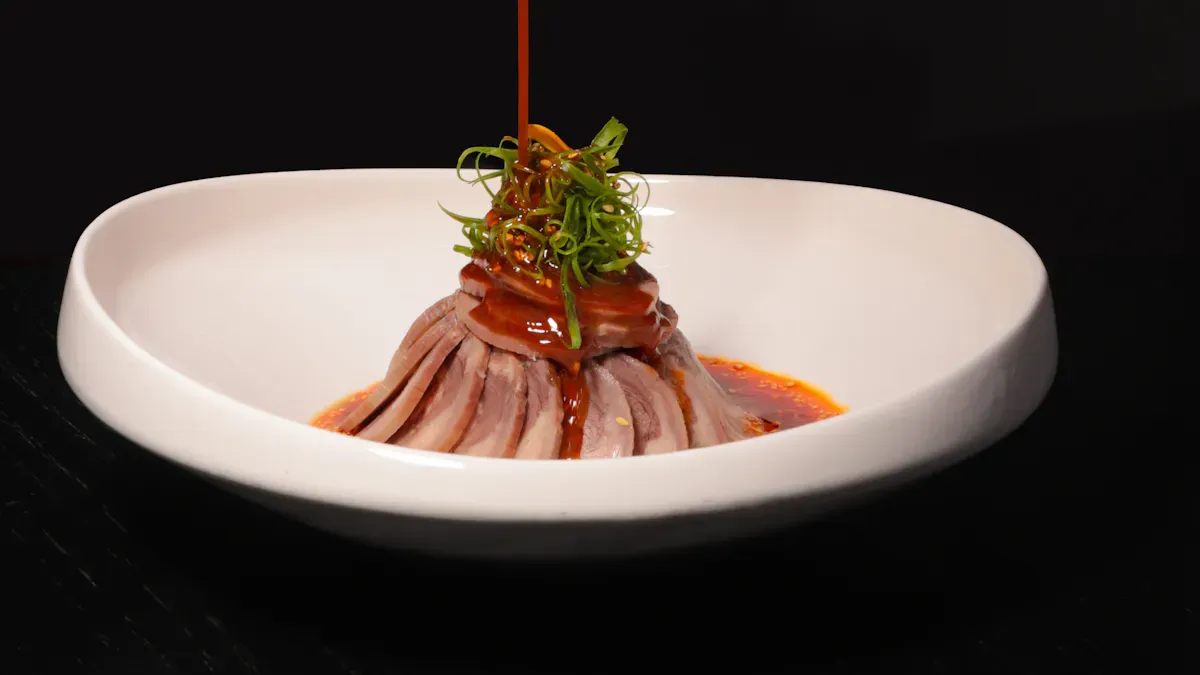
Professional kitchens require ingredients that adapt to many cooking methods. Pearl River Bridge's Golden Label Superior Light Soy Sauce meets this demand. Chefs use it for marinades, stir-fries, dipping sauces, and seasoning. The sauce brings out the best in meats, seafood, and vegetables. Its smooth texture and balanced flavor profile allow it to blend seamlessly with other ingredients.
Restaurants often rely on this soy sauce to create signature marinades that tenderize and flavor proteins. Stir-fry dishes benefit from its ability to add depth without overpowering the main ingredients. For dipping sauces, the sauce provides a savory base that pairs well with dumplings, spring rolls, and grilled items. As a seasoning, it enhances soups, noodles, and rice dishes.
Tip: A small amount of Superior Light Soy Sauce can transform a simple dish into a restaurant-quality meal.
Enhances Restaurant and Home Cooking
Golden Label Superior Light Soy Sauce suits both Asian and American cuisines. Chefs in Asian restaurants use it to achieve authentic flavors in traditional recipes. Home cooks in America appreciate its versatility for everyday meals. The sauce adapts to classic Chinese stir-fries and modern American barbecue glazes.
Pearl River Bridge offers this soy sauce in various sizes. Large bottles serve the needs of busy restaurant kitchens. Smaller bottles fit perfectly in home pantries. This flexibility ensures that every kitchen, big or small, can enjoy the benefits of a premium soy sauce.
-
Key benefits for all kitchens:
-
Consistent flavor in every batch
-
Easy integration into diverse recipes
-
Suitable for both professional and home use
-
Chefs and home cooks trust Superior Light Soy Sauce to deliver reliable results, no matter the dish or occasion.
Brand Comparison
Taste, Quality, Performance Differences
Professional kitchens demand soy sauce that delivers on taste, quality, and performance. Chefs evaluate several factors before selecting a soy sauce for their recipes. They look for depth of flavor, consistency, and versatility. These attributes help them achieve the desired results in every dish.
The following table outlines essential features chefs consider when choosing soy sauce for their kitchens:
|
Feature |
Importance in Professional Kitchens |
Typical Evaluation Criteria |
|---|---|---|
|
Fermentation Time |
Develops complex flavors and aroma |
Over 100 days preferred |
|
Ingredient Quality |
Ensures purity and natural taste |
Non-GMO soybeans, clean water |
|
Extraction Method |
Impacts richness and nutritional value |
First-batch extraction valued |
|
Flavor Balance |
Enhances dishes without overpowering them |
Balanced saltiness and umami |
|
Versatility |
Adapts to various cooking methods |
Marinades, stir-fries, dipping |
|
Consistency |
Delivers reliable results in every batch |
Uniform color and aroma |
Note: Chefs often select soy sauce that excels in these areas to maintain high standards in their kitchens.
Taste remains a top priority. A well-crafted soy sauce brings out the natural flavors of ingredients. Quality ingredients and traditional fermentation methods contribute to a superior product. Performance matters as well. Chefs need soy sauce that integrates smoothly into different recipes and maintains its character under high heat or long marination.
A premium soy sauce, such as Superior Light Soy Sauce, meets these expectations. It provides chefs with the confidence to create memorable dishes for their guests.
Pearl River Bridge's Golden Label delivers unmatched quality for professional kitchens. Its traditional fermentation, natural elements, and chef endorsements set it apart. Many chefs trust this soy sauce to enhance flavor and consistency. Readers can experience authentic taste and elevate their dishes by choosing this exceptional product.
FAQ
What makes Pearl River Bridge's Golden Label Superior Light Soy Sauce unique?
The soy sauce uses premium soybeans, undergoes over 100 days of fermentation, and features first-batch extraction. Chefs value its authentic aroma and balanced flavor.
How should chefs use Golden Label Superior Light Soy Sauce in their kitchens?
Chefs can use this soy sauce for marinades, stir-fries, dipping sauces, and seasoning. It enhances meats, vegetables, and grains with savory umami and subtle saltiness.
Is Golden Label Superior Light Soy Sauce suitable for home cooks?
-
Home cooks benefit from its versatility and consistent flavor.
-
The soy sauce adapts to both Asian and American recipes, making it ideal for everyday meals.
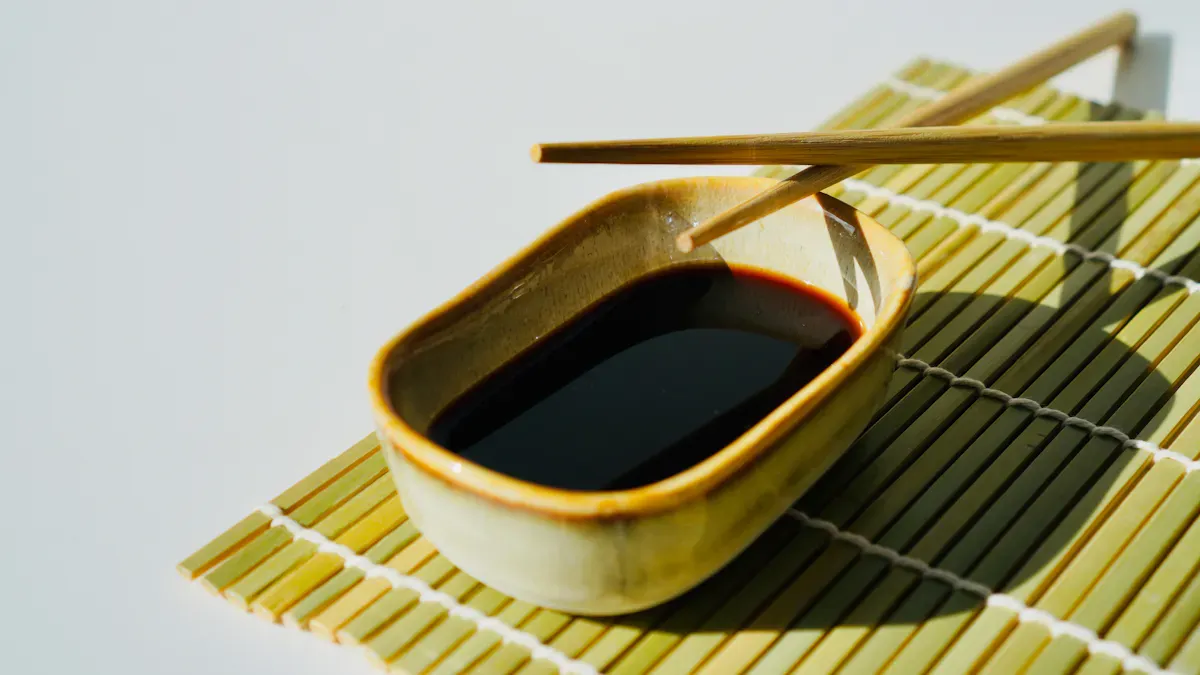
Ever thought about making your dinner taste better and look cool? You can use dark soy sauce to make any meal a main dish fast. Dark soy sauce is thicker and sweeter than light soy sauce. It gives every Chinese dish a deep, roasted flavor.
Check out this table to see the main differences:
|
Type of Soy Sauce |
Color |
Flavor Characteristics |
|---|---|---|
|
Light Soy Sauce |
Reddish-brown |
Floral smell, saltier, not as thick |
|
Dark Soy Sauce |
Dark brown |
Thick, sweet, roasted, adds color, less salty |
If you like easy Chinese cooking or want to try new things, you can find ideas here. Meat lovers and vegetarians can both get inspired. Try Pearl River Bridge for real results.
Key Takeaways
-
Dark soy sauce makes food taste better and look darker. You can use it to make your meals shiny like in restaurants at home.
-
Mix dark soy sauce with light soy sauce for a good taste. This mix gives more flavor and makes fried rice and other foods richer.
-
Try using dark soy sauce in marinades. It makes meat softer and adds more taste, so your food will be even better.
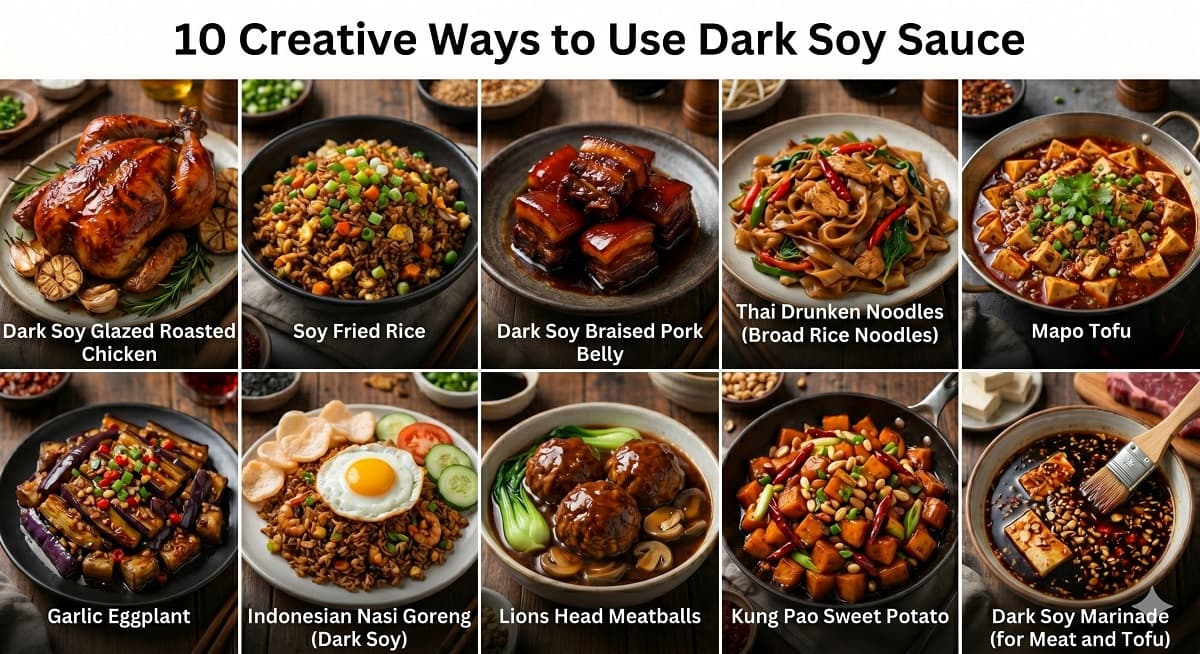
Dark Soy Sauce Glazed Chicken
Why It Works
Dark soy sauce brings maximum flavor and rich color to chicken. You get a deep brown glaze that makes your dish stand out. Here’s why this sauce works so well:
-
Dark soy sauce goes through a long aging process. This makes the flavor stronger and the color darker.
-
Caramel color and molasses give dark sweet soy sauce its bold look.
-
Free amino acids and Maillard reaction products boost the flavour and taste.
You can use this sauce to make your chicken look glossy and taste amazing.
Ingredients
|
Ingredient |
Amount |
|---|---|
|
Chicken thighs or drumsticks |
1 lb |
|
Pearl River Bridge dark soy sauce |
3 tbsp |
|
Soy sauce |
1 tbsp |
|
Honey |
1 tbsp |
|
Garlic (minced) |
2 cloves |
|
Ginger (minced) |
1 tsp |
|
Vegetable oil |
1 tbsp |
|
Water |
2 tbsp |
Steps
-
Heat oil in a pan. Add garlic and ginger. Stir until you smell the aroma.
-
Place chicken in the pan. Brown both sides.
-
Mix dark soy sauce, soy sauce, honey, and water. Pour over chicken.
-
Let the sauce simmer. Turn chicken so it gets coated and glazed.
-
Cook until the sauce thickens and the chicken looks shiny.
-
Serve your main dish hot. Enjoy the delicious flavor and deep color.
This recipe gives you a meal that feels special. You can use dark soy sauce for other dishes too. Try it in your next recipe and see the difference.
Soy Sauce Fried Rice
Flavor Secrets
You want to make soy sauce fried rice taste like it came from a real Chinese restaurant? Start with the right sauces. Mix dark soy sauce and light soy sauce together. Dark soy sauce gives your fried rice a deep color and a sweet, rich flavor. Light soy sauce adds saltiness and aroma. When you use both, you get a dish that looks glossy and tastes bold. The caramel sweetness from dark soy sauce makes every bite special. This combo is what makes authentic Chinese rice recipes stand out.
Ingredients
Here’s what you need for this soy sauce fried rice recipe:
|
Ingredient |
Amount |
|---|---|
|
Cooked rice |
2 cups |
|
Pearl River Bridge dark soy sauce |
1 tbsp |
|
Pearl River Bridge premium light soy sauce |
1 tbsp |
|
Eggs |
2 |
|
Green onions |
2 stalks |
|
Carrots (diced) |
1/4 cup |
|
Peas |
1/4 cup |
|
Garlic (minced) |
1 clove |
|
Oil |
2 tbsp |
You can check out the soy sauce category for more options. Try Pearl River Bridge Dark Soy Sauce and Pearl River Bridge Premium Light Soy Sauce for the best results.
Quick Method
-
Heat oil in a pan. Add garlic and carrots. Stir until carrots soften.
-
Push veggies to the side. Crack eggs in the pan. Scramble until cooked.
-
Add rice. Stir everything together.
-
Pour in dark soy sauce and light soy sauce. Mix well.
-
Toss in peas and green onions. Stir until rice looks shiny and brown.
-
Serve hot. You can use this as a main meal or a side dish.
Wondering how to serve soy sauce fried rice? Pair it with grilled chicken or tofu. The best rice for frying is day-old rice because it stays firm and doesn’t get mushy. Try this recipe and see how dark soy sauce changes your meal.
Braised Pork with Dark Soy Sauce
Braising Benefits
You want a main dish that feels comforting and looks impressive? Braised pork with dark soy sauce is a classic Chinese recipe that brings maximum flavor to your table. This sauce is ideal for braising because it gives pork a rich color and an appetizing caramel sheen. You get a deep, roasted taste that makes every bite delicious. Dark sweet soy sauce works especially well in slow-cooked dishes like this. You can find the right sauce in the soy sauce category for your next meal.
You might notice different regional styles in China. Hunan-style braised pork uses chili peppers for extra heat. Shanghai-style adds more rock sugar and Shaoxing wine, making the sauce sweeter and the dish glossier.
Ingredients
|
Ingredient |
Amount |
|---|---|
|
Pork belly |
1 lb |
|
Pearl River Bridge dark soy sauce |
3 tbsp |
|
Pearl River Bridge premium light soy sauce |
1 tbsp |
|
Rock sugar |
2 tbsp |
|
Shaoxing wine |
2 tbsp |
|
Ginger (sliced) |
1 inch |
|
Garlic (crushed) |
2 cloves |
|
Water |
1 cup |
|
Green onions |
2 stalks |
Check out Pearl River Bridge Dark Soy Sauce and Premium Light Soy Sauce for authentic flavour.
Cooking Steps
-
Heat a pot. Add pork belly. Brown the meat on all sides.
-
Toss in ginger and garlic. Stir until you smell the aroma.
-
Pour in Shaoxing wine. Let it bubble for a minute.
-
Add dark soy sauce, light soy sauce, rock sugar, and water.
-
Cover the pot. Simmer for 45 minutes. Stir every so often.
-
Remove the lid. Let the sauce thicken. The pork should look shiny and brown.
-
Serve with rice. Enjoy the deep flavor and rich color.
This recipe turns simple pork into a main dish that stands out. You get a meal that’s both classic and full of bold taste.
Pad Kee Mao (Drunken Noodles)
Unique Flavors
You might know Pad Kee Mao as drunken noodles. This Thai favorite stands out because of its bold taste and chewy noodles. When you add dark soy sauce, you get a deep, molasses-like flavor and a rich brown color. Other soy sauces often just make things salty, but dark soy sauce brings out the best in every bite. It makes your noodles look glossy and taste even better. You get a dish that feels special, but you can make it at home.
Ingredients
Here’s what you need for this recipe:
|
Ingredient |
Amount |
|---|---|
|
Wide rice noodles |
8 oz |
|
2 tbsp |
|
|
1 tbsp |
|
|
Oyster sauce |
1 tbsp |
|
Fish sauce |
1 tsp |
|
Garlic (minced) |
3 cloves |
|
Thai chili (sliced) |
2 |
|
Bell pepper (sliced) |
1 |
|
Onion (sliced) |
1/2 |
|
Thai basil leaves |
1 cup |
|
Chicken, beef, or tofu |
1 cup |
|
Oil |
2 tbsp |
Cooking Steps
-
Soak the rice noodles in warm water until soft. Drain and set aside.
-
Heat oil in a large pan or wok. Add garlic and chili. Stir until you smell the aroma.
-
Add your choice of chicken, beef, or tofu. Cook until done.
-
Toss in onion and bell pepper. Stir for a minute.
-
Add the noodles. Pour in dark soy sauce, light soy sauce, oyster sauce, and fish sauce.
-
Stir everything so the noodles soak up the sauce and turn brown.
-
Add Thai basil leaves. Stir until they wilt.
-
Serve your main meal hot. Enjoy the bold flavors and chewy noodles.
Pad Kee Mao is a fun way to bring a taste of Thai street food to your kitchen. This recipe uses dark soy sauce to make your noodles shine and taste amazing. Try it for your next meal and see how easy it is to make a restaurant-style dish at home.
Mapo Tofu Recipe
Why Use Dark Soy Sauce
You want your Mapo Tofu to look bold and taste amazing. Dark soy sauce gives this Chinese dish a deep brown color and a richer flavor. You get a toasted-looking hue that makes your meal stand out. The sauce has a thick consistency, so it coats the tofu and adds a delicious shine. Some cooks use light soy sauce for a lighter appearance, but dark soy sauce brings a hearty flavour that fits this main recipe.
Dark soy sauce will influence the appearance. That’s the reason I call light soy sauce in this recipe.
Ingredients
Here’s what you need for this recipe:
|
Ingredient |
Amount |
|---|---|
|
Soft tofu |
1 block |
|
Ground pork or beef |
1/2 lb |
|
Pearl River Bridge dark soy sauce |
1 tbsp |
|
Pearl River Bridge premium light soy sauce |
1 tbsp |
|
Chili bean paste |
1 tbsp |
|
Garlic (minced) |
2 cloves |
|
Ginger (minced) |
1 tsp |
|
Green onions |
2 stalks |
|
Sichuan peppercorns |
1 tsp |
|
Oil |
2 tbsp |
|
Water |
1/2 cup |
Steps
-
Cut tofu into cubes. Set aside.
-
Heat oil in a pan. Add garlic, ginger, and Sichuan peppercorns. Stir until you smell the aroma.
-
Add ground pork or beef. Cook until browned.
-
Stir in chili bean paste, dark soy sauce, and light soy sauce. Mix well.
-
Pour in water. Let the sauce simmer.
-
Gently add tofu cubes. Stir so the sauce coats each piece.
-
Cook for five minutes. The tofu should soak up the flavor and look glossy.
-
Sprinkle green onions on top. Serve your main meal hot.
This recipe gives you a delicious Mapo Tofu with a deep color and bold taste. You can use dark soy sauce to make your dish look and taste like a restaurant favorite.
Eggplant with Garlic Sauce
Flavor Boost
You want to make your eggplant taste amazing? Try adding dark soy sauce to your next recipe. This sauce gives your dish a deep brown color and a rich flavor that stands out. You get a meal that looks glossy and tastes bold. Many vegetarian Chinese recipes use dark soy sauce as a key ingredient. Vegetable Lo Mein is one example where this sauce brings out the best in the vegetables. You can use dark soy sauce to turn simple eggplant into a main dish that feels special.
Ingredients
Here’s what you need for this recipe:
|
Ingredient |
Amount |
|---|---|
|
Eggplant (cut into strips) |
2 medium |
|
Pearl River Bridge dark soy sauce |
2 tbsp |
|
Pearl River Bridge premium light soy sauce |
1 tbsp |
|
Garlic (minced) |
3 cloves |
|
Ginger (minced) |
1 tsp |
|
Sugar |
1 tbsp |
|
Vinegar |
1 tbsp |
|
Green onions |
2 stalks |
|
Oil |
2 tbsp |
|
Water |
1/4 cup |
Cooking Steps
-
Heat oil in a pan. Add garlic and ginger. Stir until you smell the aroma.
-
Add eggplant strips. Cook until they turn soft and brown.
-
Mix dark soy sauce, light soy sauce, sugar, vinegar, and water. Pour over the eggplant.
-
Stir so the sauce coats every piece. Let it simmer for five minutes.
-
Sprinkle green onions on top. Serve your dish hot.
You get a recipe that’s easy and full of flavor. Dark soy sauce makes your eggplant shine and taste like a restaurant main. Try this meal for dinner and see how simple ingredients can turn into something special.
Nasi Goreng (Indonesian Fried Rice)
Dark Soy Sauce Twist
You might think fried rice only belongs in Chinese cooking, but Nasi Goreng shows how you can use dark soy sauce in other Asian recipes too. This Indonesian main dish stands out because of its bold color and deep flavour. The sauce gives the rice a sweet, smoky taste that makes every bite special. You can even try different types of soy sauce, like Pearl River Bridge Superior Dark Soy Sauce, to see how each one changes the flavor of your meal.
Tip: Nasi Goreng tastes best when you use day-old rice. The grains stay separate and soak up the sauce better.
Ingredients
Here’s what you need for this recipe:
|
Ingredient |
Amount |
|---|---|
|
Cooked rice |
2 cups |
|
Pearl River Bridge dark soy sauce |
1 tbsp |
|
Soy sauce |
1 tbsp |
|
Garlic (minced) |
2 cloves |
|
Shallot (sliced) |
1 |
|
Chili (sliced) |
1 |
|
Egg |
1 |
|
Chicken, shrimp, or tofu |
1 cup |
|
Oil |
2 tbsp |
|
Cucumber slices (for garnish) |
as needed |
|
Fried shallots (for topping) |
as needed |
Steps
-
Heat oil in a pan. Add garlic, shallot, and chili. Stir until you smell the aroma.
-
Add your choice of chicken, shrimp, or tofu. Cook until done.
-
Push everything to the side. Crack the egg into the pan and scramble it.
-
Add rice. Stir well so the grains mix with the egg and meat.
-
Pour in dark soy sauce and soy sauce. Mix until the rice turns brown and glossy.
-
Taste and adjust the sauce if you want more flavor.
-
Serve hot. Top with fried shallots and cucumber slices for a fresh crunch.
This recipe brings a new twist to fried rice. You get a dish that’s sweet, savory, and full of flavor. Try it for your next meal and see how dark soy sauce can transform a simple recipe into something unforgettable.
Lion’s Head Meatballs
Rich Color and Taste
You want a main dish that feels like a celebration? Lion’s Head Meatballs bring you a classic Chinese meal with a twist. When you add dark soy sauce, you get meatballs that look rich and taste bold. The sauce gives your recipe a deep brown color and a savory flavor that stands out. You can see how this compares to other recipes in the table below:
|
Recipe |
Soy Sauce Type |
Notes on Usage |
|---|---|---|
|
Lion's Head Meatballs |
Dark soy sauce |
Optional, adds color and umami |
|
Easy Chinese Meatballs |
Regular soy sauce |
No mention of dark soy sauce, simpler seasoning |
Dark soy sauce isn’t just for color. It brings umami and depth to your meal. You get a main course that looks glossy and tastes amazing. If you want to try different soy sauces, check out the soy sauce category.
Ingredients
Here’s what you need for this recipe:
-
Ground pork: 1 lb
-
Pearl River Bridge dark soy sauce: 2 tbsp
-
Pearl River Bridge premium light soy sauce: 1 tbsp
-
Egg: 1
-
Green onions: 2 stalks
-
Ginger (minced): 1 tsp
-
Water chestnuts (chopped): 1/4 cup
-
Cornstarch: 2 tbsp
-
Napa cabbage: 4 leaves
-
Oil: 2 tbsp
-
Water: 1 cup
Cooking Steps
-
Mix pork, egg, green onions, ginger, water chestnuts, cornstarch, dark soy sauce, and light soy sauce in a bowl.
-
Shape the mixture into large meatballs.
-
Heat oil in a pan. Brown the meatballs on all sides.
-
Place napa cabbage in a pot. Set meatballs on top.
-
Add water and extra dark soy sauce. Cover and simmer for 40 minutes.
-
Serve your dish hot. Enjoy the rich color and bold taste.
You get a recipe that feels special and easy to make. Dark soy sauce turns your meatballs into a main meal that everyone will love.
Kung Pao Sweet Potatoes
Vegetarian Option
You want a fun twist on a classic Chinese dish? Try this recipe for Kung Pao Sweet Potatoes. You get all the spicy, tangy flavors you love, but with a vegetarian main that’s easy to make. Sweet potatoes soak up the sauce and turn golden brown. You can serve this meal as a side or make it the star of your dinner.
Ingredients
Here’s what you need for this recipe:
|
Ingredient |
Amount |
|---|---|
|
Sweet potatoes (cubed) |
2 medium |
|
Pearl River Bridge dark soy sauce |
2 tbsp |
|
Pearl River Bridge premium light soy sauce |
1 tbsp |
|
Rice vinegar |
1 tbsp |
|
Sugar |
1 tbsp |
|
Garlic (minced) |
2 cloves |
|
Ginger (minced) |
1 tsp |
|
Peanuts |
1/4 cup |
|
Green onions |
2 stalks |
|
Chili flakes |
1 tsp |
|
Oil |
2 tbsp |
Steps
-
Heat oil in a pan. Add garlic and ginger. Stir until you smell the aroma.
-
Toss in sweet potatoes. Cook until they turn soft and start to brown.
-
Mix dark soy sauce, light soy sauce, rice vinegar, and sugar. Pour the sauce over the sweet potatoes.
-
Sprinkle chili flakes and peanuts. Stir so everything gets coated.
-
Cook for five more minutes. The sauce should thicken and stick to the sweet potatoes.
-
Add green onions. Serve your dish hot and enjoy the bold taste.
You get a recipe that’s easy, colorful, and full of flavor. Kung Pao Sweet Potatoes bring a new twist to your Chinese meal. Try this main for dinner and see how soy sauce transforms a simple vegetable into something special.
Dark Soy Sauce Marinade
For Meats and Tofu
You want a quick way to make your main meal taste amazing? Try a dark soy sauce marinade. This recipe works for chicken, beef, pork, tofu, or even vegetables. You can use it for a Chinese dish or any weeknight dinner. The marinade brings out a deep, delicious flavor and gives your food a beautiful color.
Tip: Dark soy sauce contains special kokumi peptides. These boost the flavor and tenderness of your marinated proteins. The fermentation process also adds unique taste notes that make your dish stand out.
Ingredients
Here’s what you need for this easy recipe:
-
3 tablespoons Pearl River Bridge dark soy sauce
-
1 tablespoon soy sauce
-
1 tablespoon sugar or honey
-
2 cloves garlic, minced
-
1 teaspoon ginger, minced
-
1 tablespoon oil
-
1 tablespoon rice vinegar (optional)
-
Black pepper to taste
You can double this recipe if you want to marinate a big batch of meat or tofu.
How to Use
-
Mix all the ingredients in a bowl.
-
Add your meat, tofu, or veggies. Coat everything well.
-
Let it sit for at least 20 minutes. For more flavor, marinate for a few hours in the fridge.
-
Cook your food as you like—grill, bake, or stir-fry. Serve with rice for a complete meal.
Here’s a quick look at common mistakes and how to avoid them:
|
Mistake |
Explanation |
|---|---|
|
Not using the right kind of soy sauce |
Each soy sauce has a special purpose. Dark soy sauce gives color and flavor. |
|
Not adapting the soy sauce variety to your recipe |
Some recipes need light soy sauce. Use dark soy sauce only when the recipe calls for it. |
|
Using too much and over-salting food |
Add sauce slowly and taste as you go. |
This marinade makes any recipe shine. You get a bold, savory taste and a glossy finish every time.
You can use dark soy sauce to make any meal special. This sauce adds a sweet taste and a brown color to Chinese food. Try making a new recipe or change up one you already like.

Home cooks achieve restaurant-quality results with the right char siu sauce and a few essential techniques. Anyone can master a traditional recipe for juicier char siu by starting with quality ingredients like Pearl River Bridge. This approach helps unlock the best char siu recipe for delicious, glazed meat.
Char Siu Sauce: Essential Steps
Quick Start Guide
Preparing perfect char siu begins with a reliable char siu sauce. Pearl River Bridge offers a trusted option for home cooks and professionals. The process starts by selecting high-quality pork, such as pork shoulder or pork belly. These cuts absorb the marinade well and deliver the signature tenderness of char siu.
Follow these steps for a quick start:
-
Select the Meat
Choose fresh pork with a good balance of fat and lean. This ensures juicy results after cooking. -
Marinate Generously
Coat the meat thoroughly with char siu sauce. For best results, use enough sauce to cover every surface. Authentic Char Siu Sauce from Pearl River Bridge provides the right balance of sweet and savory flavors. -
Rest and Absorb
Allow the meat to marinate in the refrigerator for at least four hours. Overnight marination enhances the depth of flavor and helps the glaze penetrate the meat. -
Prepare for Cooking
Remove the pork from the fridge and let it reach room temperature. This step ensures even cooking and a consistent glaze. -
Cook and Glaze
Roast, grill, or broil the pork. Baste with additional char siu sauce during the final stages. This creates the glossy, caramelized finish that defines Chinese BBQ Char Siu Sauce.
Tip: For a restaurant-quality glaze, brush on a thin layer of char siu sauce every 10 minutes during the last half of cooking.
Key Tips for Success
Achieving the perfect char siu requires attention to detail. The following tips help ensure success every time:
-
Use the Right Sauce
Pearl River Bridge Char Siu Sauce stands out for its authentic flavor and reliable results. Wholesale Char Siu Sauce options from reputable suppliers guarantee consistency for larger batches. -
Monitor Cooking Temperature
Maintain a moderate oven or grill temperature. High heat can burn the glaze before the meat cooks through. Aim for a golden-red color and a slightly charred edge. -
Baste Frequently
Frequent basting with char siu sauce builds layers of flavor and creates a sticky, shiny surface. This technique is essential for the iconic look of char siu. -
Rest Before Slicing
Let the cooked meat rest for several minutes. This step locks in juices and makes slicing easier. -
Experiment with Cuts and Methods
Char siu adapts well to different cuts of pork, chicken, or even tofu. Try roasting, grilling, or stir-frying to discover your preferred style.
Note: Premium Char Siu Sauce Exporter products often use carefully selected ingredients. These sauces deliver consistent results for both home and commercial kitchens.
A well-executed char siu recipe relies on the harmony between meat, marinade, and cooking technique. Pearl River Bridge Char Siu Sauce brings out the best in every batch, making it a staple for anyone seeking authentic Chinese BBQ at home.
What Makes Char Siu Unique
Flavor and Texture
Char siu stands out in the world of Chinese cuisine for its bold flavor and tender texture. The marinade, often made with Authentic Char Siu Sauce, infuses the meat with a balance of sweet, savory, and umami notes. Each bite delivers a combination of caramelized edges and juicy interior. Chefs select pork cuts that absorb the marinade well, resulting in a dish that remains moist after cooking. The use of Chinese BBQ Char Siu Sauce ensures that the flavors penetrate deeply, creating a memorable eating experience. Many restaurants and home cooks rely on Wholesale Char Siu Sauce for consistent results, especially when preparing large batches. The texture of char siu appeals to a wide range of palates, making it a favorite in both traditional and modern settings.
Signature Glaze
The signature glaze of char siu gives the dish its iconic appearance and taste. During cooking, cooks brush the meat with layers of sauce, often sourced from a Premium Char Siu Sauce Exporter. This process creates a glossy, reddish finish that signals expertly prepared Chinese BBQ. The glaze not only enhances the visual appeal but also locks in moisture and flavor. A well-applied glaze results in a sticky, slightly charred surface that distinguishes char siu from other roasted meats.
Tip: For the best results, apply the sauce in thin layers and allow each coat to caramelize before adding the next.
Char siu’s unique combination of flavor, texture, and glaze makes it a standout dish in Chinese BBQ culture.
Key Ingredients for Homemade Char Siu
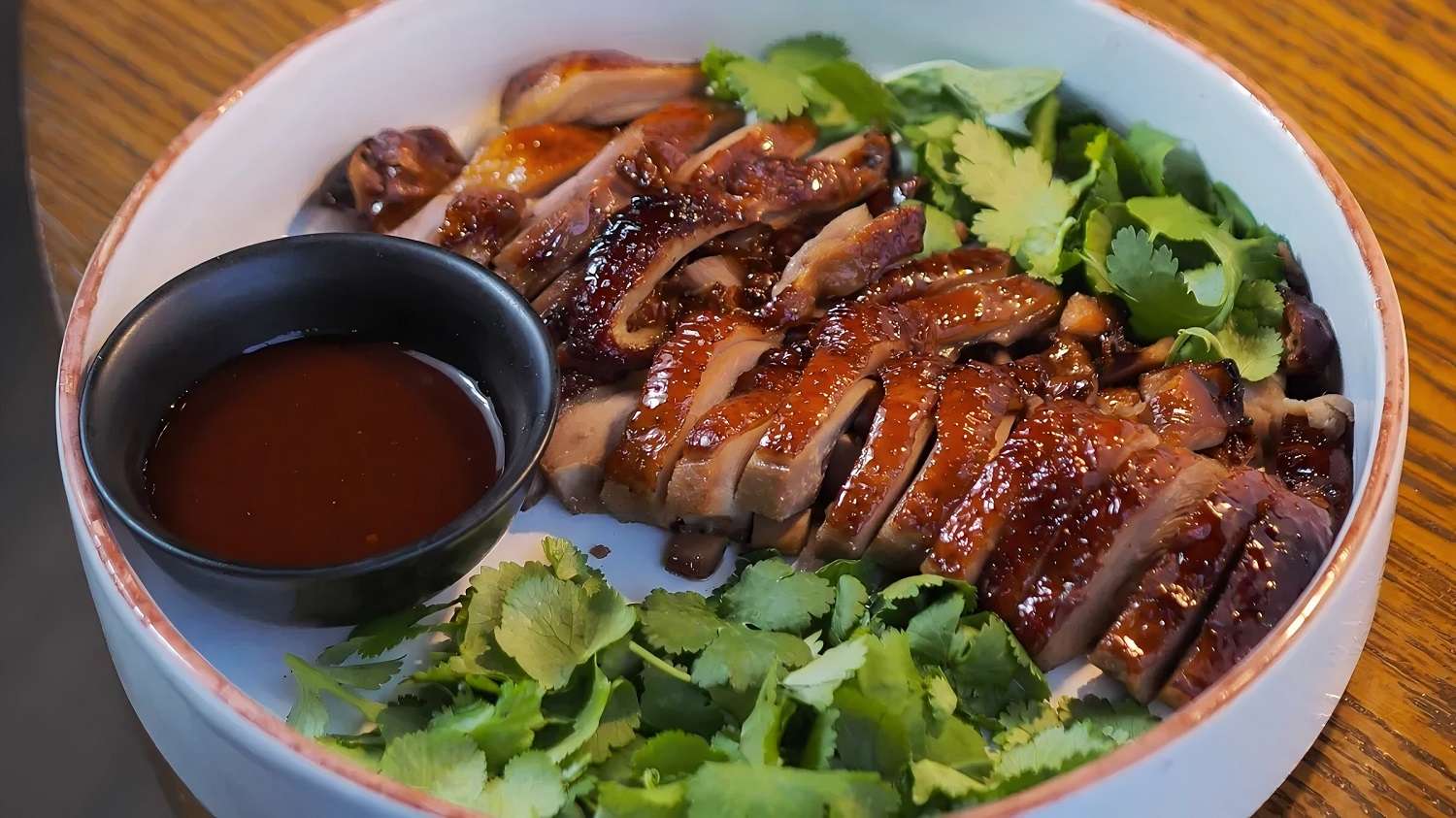
Char Siu Sauce Selection
Selecting the right sauce forms the foundation of homemade char siu. Pearl River Bridge Char Siu Sauce stands out as a top choice for those seeking authentic flavor and a glossy finish. This sauce delivers the sweet and savory notes essential for restaurant-quality char siu. Many chefs in Cantonese cuisine rely on Authentic Char Siu Sauce to achieve the signature glaze and depth of flavor. Quality sauce ensures that every bite of pork shoulder or other cuts captures the essence of Chinese BBQ Char Siu Sauce.
Ingredient quality plays a crucial role in the final result. Home cooks should look for sauces made with carefully selected ingredients. Wholesale Char Siu Sauce options from trusted suppliers provide consistency for larger batches. Premium Char Siu Sauce Exporter products often use traditional recipes, which help recreate the flavors found in classic Cantonese-style BBQ.
Ingredient Roles
Each ingredient in homemade char siu serves a specific purpose. Pork shoulder remains the preferred cut for its balance of fat and tenderness. Brown sugar adds sweetness and helps caramelize the glaze, creating the iconic sticky surface. Light soy sauce brings a savory depth and enhances the umami profile. These elements combine to produce the bold flavors associated with Cantonese cuisine.
The table below summarizes the key ingredients and their roles in making char siu:
|
Ingredient |
Role in Char Siu |
Notes |
|---|---|---|
|
Pork shoulder |
Main protein, tender texture |
Absorbs marinade well |
|
Brown sugar |
Sweetness, caramelization |
Essential for glossy glaze |
|
Light soy sauce |
Savory, umami enhancement |
Balances sweetness |
|
Char Siu Sauce |
Flavor base, signature glaze |
Use Authentic Char Siu Sauce |
|
Garlic/Spices |
Aromatic depth |
Optional, for complexity |
Cantonese-style BBQ relies on this careful balance. Brown sugar and light soy sauce work together to create the rich, layered taste. When home cooks use high-quality ingredients, they can achieve the same results as restaurant-quality char siu. Homemade char siu offers flexibility, allowing for adjustments in sweetness or spice to suit personal preferences.
Tip: For best results, marinate pork shoulder overnight to allow the flavors of brown sugar and light soy sauce to fully penetrate the meat.
Marinate and Prepare the Meat
Marinating Process
Chefs begin the char siu journey by selecting fresh pork shoulder or pork belly. They choose these cuts for their ability to absorb flavors and retain moisture. To marinate pork, they place the meat in a shallow dish and pour Authentic Char Siu Sauce over it. The sauce coats every surface, ensuring even flavor distribution. For optimal results, they cover the dish and refrigerate it for at least four hours. Overnight marination deepens the taste and enhances the glaze. Many professionals rely on Chinese BBQ Char Siu Sauce from trusted sources like Premium Char Siu Sauce Exporter to achieve consistent results. Wholesale Char Siu Sauce options provide convenience for larger batches.
Tip: Turn the meat halfway through marination. This step helps the char siu sauce penetrate evenly and creates a uniform flavor profile.
Preparation Steps
After marination, chefs remove the pork from the refrigerator. They allow it to reach room temperature, which promotes even cooking and a tender finish. Next, they pat the meat dry with paper towels. This step prevents excess moisture and helps the glaze adhere during roasting. Chefs then preheat the oven or grill to the recommended temperature. They place the pork on a wire rack, allowing air circulation and caramelization. During cooking, they baste the meat with additional char siu sauce every ten minutes. This technique builds layers of flavor and produces the signature glossy finish. The result is char siu with a vibrant color and irresistible aroma.
Note: Proper preparation ensures the char siu remains juicy and flavorful, making each bite memorable.
Cook and Glaze Chinese BBQ Pork
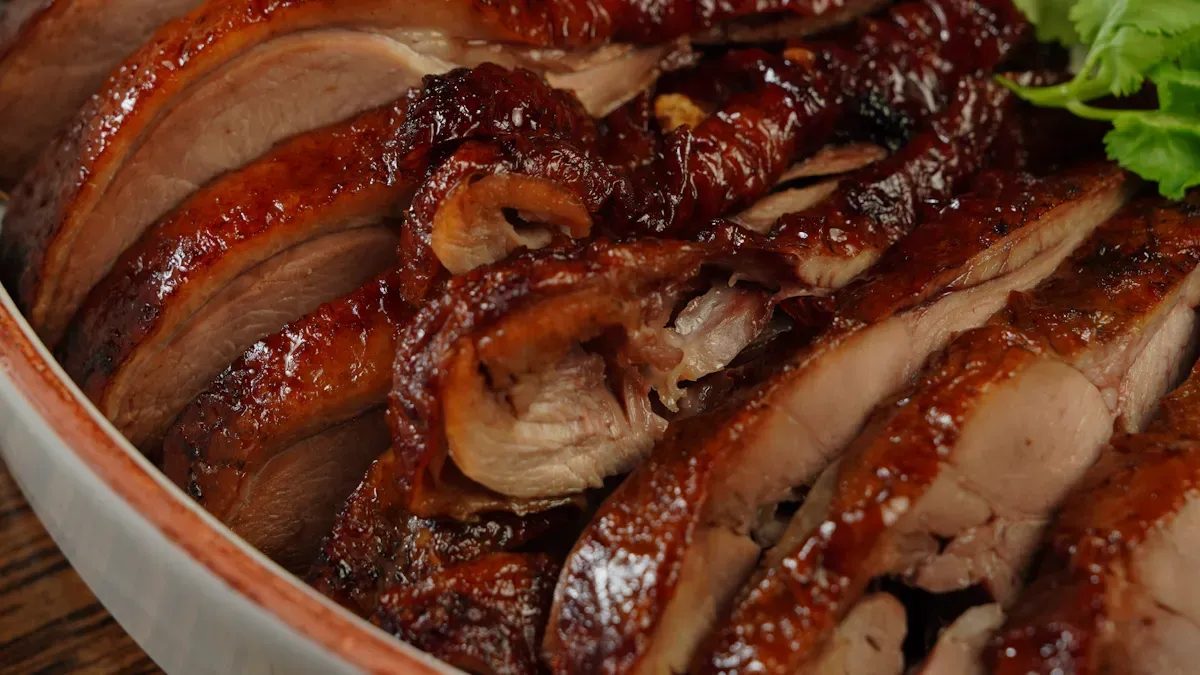
Cooking Methods
Chefs approach the cooking of chinese bbq pork with precision and versatility. Pearl River Bridge Char Siu Sauce adapts to several methods, allowing for a range of textures and flavors. Grilling, roasting, and stir-frying each offer unique benefits. Grilling produces smoky notes and crisp edges. Roasting in an oven creates even heat distribution and a tender interior. Stir-frying delivers quick caramelization and a slightly chewy bite.
To prepare char siu, chefs often choose grilling for its ability to impart a subtle char. They place marinated pork over medium heat, turning frequently to prevent burning. Roasting remains popular in home kitchens. Chefs set the oven to 375°F, placing the pork on a wire rack to allow air circulation. Stir-frying suits smaller cuts or leftovers, using high heat and constant movement to achieve a glossy finish.
Pearl River Bridge Char Siu Sauce works seamlessly in each method. Its balanced sweetness and savory depth enhance the flavor of chinese bbq pork. Chefs rely on Authentic Char Siu Sauce for consistent results, whether preparing a family meal or catering a banquet. Wholesale Char Siu Sauce options provide convenience for large-scale cooking. Premium Char Siu Sauce Exporter products ensure quality and authenticity in every batch.
Tip: For optimal results, chefs monitor the internal temperature of the pork. They aim for 145°F to guarantee safety and juiciness.
Glazing Techniques
The glaze defines the appeal of char siu and chinese bbq pork. Chefs apply Chinese BBQ Char Siu Sauce in thin layers, building up a shiny, caramelized surface. They use a brush to coat the meat every ten minutes during the final stages of cooking. This technique allows each layer to set and develop complexity.
A table below outlines key glazing steps for chinese bbq pork:
|
Step |
Action |
Result |
|---|---|---|
|
Initial Glaze |
Brush sauce before cooking |
Base flavor and color |
|
Mid-Cook Glaze |
Reapply sauce halfway through |
Enhanced sweetness and shine |
|
Final Glaze |
Brush sauce in last 10 minutes |
Caramelized, glossy finish |
Chefs avoid over-glazing, which can lead to burning. They focus on even coverage and patience. Pearl River Bridge Char Siu Sauce delivers a rich, reddish hue and sticky texture. Authentic Char Siu Sauce ensures the glaze locks in moisture and flavor. Wholesale Char Siu Sauce options support batch cooking without sacrificing quality. Premium Char Siu Sauce Exporter products provide the depth needed for traditional chinese bbq.
Note: Resting the pork after glazing allows juices to redistribute. Slicing after a brief rest preserves tenderness and enhances presentation.
Char siu stands as a centerpiece in chinese bbq culture. The combination of precise cooking and expert glazing transforms chinese bbq pork into a dish with irresistible aroma and visual appeal. Chefs who master these techniques create memorable meals that reflect the essence of Chinese BBQ Char Siu Sauce.
Serving and Troubleshooting Char Siu
Serving Suggestions
Char siu brings vibrant color and bold flavor to any meal. Chefs often slice the meat thinly and arrange it on a platter for a striking presentation. Steamed jasmine rice pairs well with the sweet and savory notes of char siu. Many enjoy serving it alongside stir-fried greens or pickled vegetables for balance. Some restaurants use char siu as a filling for steamed buns or as a topping for noodle soups. Home cooks can drizzle extra Authentic Char Siu Sauce over the sliced meat for added richness. For gatherings, char siu works well as an appetizer or as part of a larger Chinese BBQ spread.
Tip: Garnish char siu with chopped scallions or sesame seeds to enhance both flavor and appearance.
Common Issues and Fixes
Even experienced cooks sometimes face challenges with char siu. The following table outlines common issues and practical solutions:
|
Issue |
Solution |
|---|---|
|
Glaze not shiny |
Baste with Chinese BBQ Char Siu Sauce during the last 10 minutes of cooking. |
|
Meat too dry |
Use pork shoulder and avoid overcooking. Rest the meat before slicing. |
|
Uneven color |
Turn the meat and baste evenly with sauce throughout cooking. |
|
Flavor too mild |
Marinate longer or use more Wholesale Char Siu Sauce for deeper taste. |
If the glaze burns, lower the oven temperature and apply thinner layers of sauce. For best results, select sauces from a Premium Char Siu Sauce Exporter to ensure authentic taste and texture. Consistent technique and quality ingredients help every cook achieve perfect char siu at home.
This recipe guides every cook to perfect glazed meat with char siu sauce. The recipe highlights essential steps for success. Readers can master this recipe at home. The recipe brings satisfaction with each attempt. Share the recipe, explore new meats, and refine the recipe for personal taste. This recipe rewards dedication.
FAQ
How long should pork marinate in Authentic Char Siu Sauce?
Chefs recommend marinating pork for at least four hours. Overnight marination enhances flavor and creates a richer Chinese BBQ Char Siu Sauce glaze.
Can Wholesale Char Siu Sauce be used for other meats?
They use Wholesale Char Siu Sauce for chicken, duck, or tofu. The sauce delivers consistent results and maintains the signature glaze from a Premium Char Siu Sauce Exporter.
What is the best way to achieve a glossy finish?
They baste meat with Authentic Char Siu Sauce every ten minutes during cooking. This method produces a shiny, caramelized surface typical of Chinese BBQ Char Siu Sauce.
You might notice how quickly solidified soy sauce is changing the way you cook today. This ingredient stands out because it combines premium craftsmanship with a modern twist. People everywhere want bold flavors, and you see more and more households choosing Asian-inspired dishes each week. In fact, the soy sauce market is growing fast, expected to reach almost $65 billion by 2031. If you love convenience and crave new flavors, solidified soy sauce brings both right to your kitchen.
Key Takeaways
- Solidified soy sauce offers bold flavors and convenience, making it a popular choice for modern cooking.
- The unique production process enhances flavor and allows for easy storage, lasting longer than traditional liquid soy sauce.
- You can use solidified soy sauce in various ways, such as marinades, dips, and as a finishing touch for dishes.
- This ingredient provides health benefits, including probiotics and antioxidants, while maintaining a rich umami taste.
- Solidified soy sauce allows for better portion control and creative presentations, making meals more enjoyable.
Solidified Soy Sauce Explained
Definition & Process
You might wonder what makes solidified soy sauce different from the regular liquid kind you see on store shelves. This special ingredient starts with the same basic steps as traditional soy sauce, but it goes a bit further to give you something unique and convenient.
Here’s how the process works:
- Workers clean soybeans and wheat to get rid of any dirt.
- They steam or roast these grains to bring out their natural flavors.
- Koji mold gets added, or sometimes acid hydrolysis is used, to start breaking down the beans.
- The mixture gets combined with brine and left to age.
- After aging, the soy sauce is taken out.
- Machines remove water from the liquid soy sauce, turning it into a solid form.
- The solid soy sauce is dried and packed, ready for you to use.
Pearl River Bridge uses a fermentation process that lasts over 100 days. This long fermentation time helps develop a deep umami flavor and a rich color. You get a product that stands out for its premium quality and taste.
Here’s a quick look at the main ingredients and their roles:
| Ingredient | Role in Soy Sauce Production |
|---|---|
| Soybeans | Provide proteins for flavor |
| Wheat | Contributes to fragrance |
| Salt | Controls fermentation and prevents spoilage |
Unique Features
Solidified soy sauce keeps the heart of traditional soy sauce but adds a modern twist. You get the same complex flavors that come from authentic fermentation. The process breaks down soybeans into peptides, which can help balance out the effects of sodium. If you care about health, you’ll like that this method can offer probiotic benefits and antioxidants.
- Traditional fermentation techniques keep the flavors rich and layered.
- The concentrated form means you use less but still get bold taste.
- You can store it easily, and it lasts longer than liquid soy sauce.
- It works well as a finishing touch, adding umami without overpowering your food.
You’ll notice that solidified soy sauce fits right into your busy life. You can use it in many ways, and it always delivers that classic soy sauce flavor. Pearl River Bridge’s careful process and attention to detail make sure you get a product that’s both tasty and convenient.
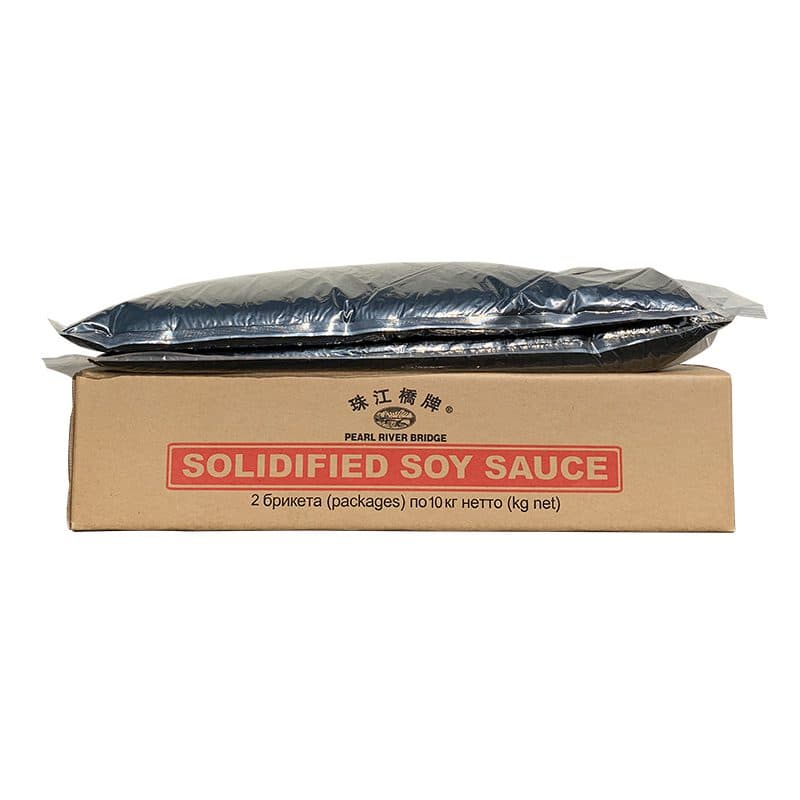
Solidified Soy Sauce vs. Traditional
Texture & Form
When you look at solidified soy sauce, you notice the difference right away. It comes in a thick, paste-like form or as small solid pieces. You can pick it up, break it apart, or even grate it over your food. Traditional soy sauce, on the other hand, pours out as a thin liquid. You usually drizzle it or mix it into dishes.
Solidified soy sauce feels richer and more concentrated. The paste is thicker and a bit sweeter than the regular kind. This makes it perfect for spreading on meats or using as a dip. You get more control over how much you use. If you want, you can add water and turn it back into a liquid. This means you can use it just like the soy sauce you already know, but you also get new ways to try it.
Flavor & Versatility
You taste the difference with your first bite. Solidified soy sauce packs a punch. The concentrated form holds onto the deep, savory notes that come from long fermentation. You only need a little to make your food stand out. The flavor releases slowly, so every bite feels rich and satisfying.
Traditional soy sauce is thinner and saltier. You use it mostly for seasoning or marinating. Solidified soy sauce does more. You can use it in marinades, sauces, and dips. It blends well with other ingredients and brings out the best in your recipes. You can even use it as a base for making new sauces at home.
Here’s a quick comparison to help you see the difference:
| Feature | Solidified Soy Sauce | Traditional Soy Sauce |
|---|---|---|
| Texture | Thick, paste, or solid | Thin, liquid |
| Flavor | Rich, concentrated, umami | Salty, lighter |
| Uses | Marinades, dips, sauces | Seasoning, marinating |
| Versatility | Can be rehydrated to liquid | Used as is |
Solidified soy sauce gives you more options in the kitchen. You can use it as a finishing touch or as the main flavor in a dish. If you want to try something new, this ingredient opens up a world of possibilities.
Uses & Benefits
Culinary Applications
You can use solidified soy sauce in so many ways. It works great in marinades. Just mix a small amount with oil and spices, then coat your meat or veggies. You get a deep, savory flavor that soaks right in. You can also blend it into salad dressings. It adds a punch of umami that makes greens taste amazing. If you like making your own sauces, try using it as a base. It melts easily and gives your sauce a rich color and taste. Some people even sprinkle it on rice or noodles for a quick flavor boost. You have lots of options, whether you cook at home or in a busy kitchen.
Convenience & Cost-Effectiveness
Solidified soy sauce saves you time and money. You do not need to worry about spills or leaks. The solid form is easy to measure and store. You can keep it in your pantry for a long time because it lasts longer than liquid soy sauce. This means less waste and fewer trips to the store. If you buy in bulk, you will notice that the smaller size cuts down on shipping costs. Here are some reasons why it is a smart choice:
- The concentrated form reduces the volume, so you pay less for freight.
- It has a longer shelf life, which helps you avoid throwing out expired sauce.
- Handling is easier, which saves time in food production.
You get more value for your money and less hassle in your kitchen.
Presentation & Portion Control
You can get creative with how you use solidified soy sauce. The solid or paste form lets you control each portion. You can grate it over dishes for a fancy touch, or cut it into small pieces for bento boxes. This makes your food look special and professional. If you run a restaurant, you can impress your guests with unique presentations. At home, you can make every meal feel a little more fun. You always know exactly how much you are using, so your dishes taste just right.
Health & Safety
Ingredients & Nutrition
You probably want to know what goes into your solidified soy sauce and how it stacks up against other types. Most solidified soy sauces use whole soybeans, wheat, salt, and water. These simple ingredients help create a rich, deep flavor. Some cheaper soy sauces use shortcuts, but you get the best taste from naturally fermented ones.
Here’s a quick look at how solidified soy sauce compares to other types:
| Feature | Naturally Fermented Soy Sauce | Chemically Produced Soy Sauce |
|---|---|---|
| Ingredients | Whole Soybeans, Wheat, Salt, Water | Defatted Soy Protein, Hydrochloric Acid, Caramel Color, Corn Syrup |
| Production Time | 6+ months, sometimes years | A few days |
| Flavor Profile | Complex, rich, aromatic, deep umami | Harsh, salty, one-dimensional, often artificially sweet |
Solidified soy sauce does have a high sodium content. One tablespoon can have about 1,000 milligrams of sodium. That’s almost half of what you should eat in a day. You also get some protein, plus antioxidants like vanillic acid and ferulic acid. These can help protect your cells. You may even get probiotics and enzymes that support your digestion.
When you buy from trusted brands, you know your soy sauce meets strict food safety standards. Many products have certifications like Halal, which means no alcohol or animal ingredients, and EU Organic, which means the soybeans are grown without synthetic chemicals.
- Produced under strict food safety laws
- Halal Certification: No alcohol or animal-derived ingredients
- EU Organic Certification: Organically grown soybeans, no synthetic pesticides
Storage & Shelf Life
You want your solidified soy sauce to stay fresh and tasty. Here’s how you can make it last:
- Keep the package tightly sealed after each use.
- Store it in the refrigerator once opened.
- Refrigeration helps prevent oxidation, which can change the color and taste.
If you follow these steps, your soy sauce can last for months, sometimes even up to two years. You don’t have to worry about it going bad quickly. Just remember to check the package for any special instructions from the maker.
You see how solidified soy sauce brings bold flavor and convenience to your kitchen. It fits right into modern cooking, whether you cook at home or run a restaurant. Check out these trends and awards that show its value:
| Trend Description | Details |
|---|---|
| Asian Cuisine Popularity | More people want Asian flavors in their meals |
| Premium Products | Brands offer higher-quality soy sauces |
| Award/Recognition | Description |
|---|---|
| SIAL Paris Innovation Award | Celebrates creative food products |
| American Excellent Brand | Recognized for quality in the U.S. |
Try it for yourself and discover why so many cooks trust Pearl River Bridge for taste and innovation.
FAQ

How do you use solidified soy sauce in cooking?
You can grate, slice, or melt it right into your dish. Try sprinkling it over rice, blending it into marinades, or dissolving it in hot water for a quick sauce.
Can you turn solidified soy sauce back into liquid?
Yes! Just add a little warm water and stir. The solid form dissolves easily, so you get the same great taste as regular soy sauce.
Does solidified soy sauce need refrigeration?
You should keep it in a cool, dry place. After opening, store it in the fridge to keep it fresh and flavorful.
Is solidified soy sauce gluten-free?
Most solidified soy sauces contain wheat. If you need a gluten-free option, check the label or look for a special gluten-free version.
- Buddha Jump Over the Wall1
- Canned Abalone2
- Canned Turtle Soup1
- Edible Bird's Nest2
- Frozen Foods1
- Frozen Seafood8
- Jelly/Pudding Applications1
- Meat Product Applications2
- Others Applications5
- Plant-based meat Product Applications1
- SURIMI2
- Soft Candy1
- Soft Candy Applications4
- bottle1
- can end2
- packaging film2
- tableware3