You want the best for your kids, so picking the right Pouch Juice matters. Many parents worry about sugar, cavities, and even tummy troubles from juice. The good news? Making healthy choices is easy when you know what to look for. Let’s make snack time simple and safe.
Key Takeaways
-
Choose juice pouches labeled '100% fruit juice' to ensure no added sugars or fillers. This guarantees your child gets the most nutrients.
-
Limit juice intake based on your child's age to prevent health risks. For example, children aged 1-3 should have no more than 4 ounces per day.
-
Opt for whole fruits over juice whenever possible. Whole fruits provide fiber and essential nutrients that juice lacks.
What Makes Pouch Juice Healthy?
Pure Fruit Juice vs. Juice Drinks
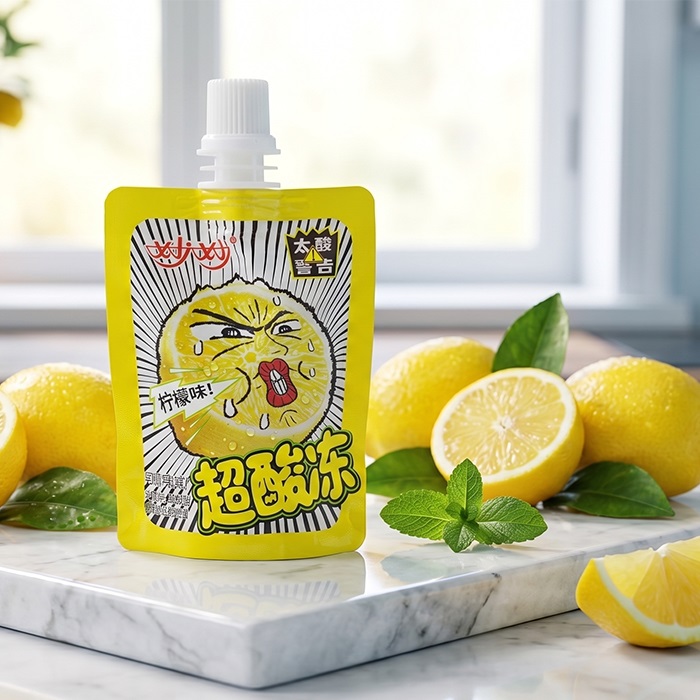
You probably see a lot of juice options at the store, but not all of them are good for your kids. When you pick organic pouch juice, you want to make sure it’s 100% fruit juice. This means the juice comes only from fruit, with no added sugar or fillers. Many juice drinks look healthy, but they often have extra sweeteners and fewer nutrients. Experts say you should check the label for “100%” so you know you’re getting pure fruit juice.
-
Look for labels that say “100% fruit juice.”
-
Avoid juice drinks that list added sugar or syrups.
-
Juice drinks usually have less fiber and fewer nutrients than pure juice.
Many parents think “no added sugar” means healthy, but some juice pouches still have high sugar levels from fruit concentrates. Labels can be confusing, so check the Nutrition Facts for sugar content. Most parents wish sugar amounts were easier to spot. If you feel unsure, you’re not alone.
Tip: Juice drinks often remove fiber during processing. Without fiber, kids may not feel full and could end up drinking more calories than they need.
Minimal Ingredients and Processing
The healthiest juice pouches have the fewest ingredients. You want to see fruit listed first and avoid anything you can’t pronounce. Less processing means more natural nutrients and fewer preservatives. When you choose juice with simple ingredients, you help protect your child’s health.
Here’s a quick table to help you spot healthy juice pouches:
|
What to Look For |
Why It Matters |
|---|---|
|
100% fruit juice |
No added sugar, more nutrients |
|
Fewest ingredients |
Less processing, more natural |
|
No artificial flavors |
Safer for kids’ health |
|
No preservatives |
Fewer chemicals |
Moderate amounts of 100% fruit juice can give your child vitamin C and potassium. These nutrients support growth and development. Still, juice should never replace whole fruit. Whole fruit has fiber and keeps kids full longer.
-
Fruit juice is not for infants under 12 months.
-
Juice offers no extra benefits over whole fruit for kids older than 12 months.
-
Avoid giving juice at bedtime or for dehydration.
If you stick to juice pouches with simple ingredients and avoid added sugar, you make a smart choice for your child’s health. You don’t need to be a nutrition expert. Just check the label, look for 100% fruit juice, and pick the pouch with the fewest ingredients.
Reading Juice Labels
You want to know what’s really in your child’s drink. Reading juice labels can feel tricky, but you can spot unhealthy additives with a few simple steps.
Spotting Added Sugar
Many juice pouches sneak in extra sugar under different names. When you check the ingredient list, look for these common sugar aliases:
-
Agave
-
Brown sugar
-
Cane juice or evaporated cane juice
-
Corn syrup or high fructose corn syrup
-
Fruit juice concentrates
-
Honey
-
Molasses
-
Sucrose
-
Syrup
If you see any of these, the drink has added sugar. You can also check the Nutrition Facts panel. Divide the grams of sugar by four to see how many teaspoons are in each serving. That makes it easier to compare juice boxes and pick the best one for your kids.
Tip: Choose unsweetened options when you can. They help you control how much sugar your child gets.
Avoiding Artificial Flavors and Preservatives
Artificial flavors and preservatives often hide in juice. Look for words like “natural flavoring,” “malic acid,” or color additives. These chemicals can affect your child’s hormones and growth. Some preservatives, like BHA, BHT, and high fructose corn syrup, may cause health issues. Always scan the ingredient list for anything you don’t recognize.
|
Key Point |
Description |
|---|---|
|
FDA Requirement |
All ingredients must be listed in order of amount used. |
|
Color Additives |
Must be listed by name. |
|
Joint Listing |
“Natural flavors” can group several ingredients. |
|
Allergen Disclosure |
Allergens must be clearly stated. |
Organic Juice Boxes for Kids
Organic juice boxes give you peace of mind. They don’t use synthetic pesticides, which appeals to families who want pure ingredients. While non-organic juice can be healthy if the ingredient list is clean, organic options often feel safer and higher in quality.
Choosing Low-Sugar Juice Boxes
Comparing Sugar Content
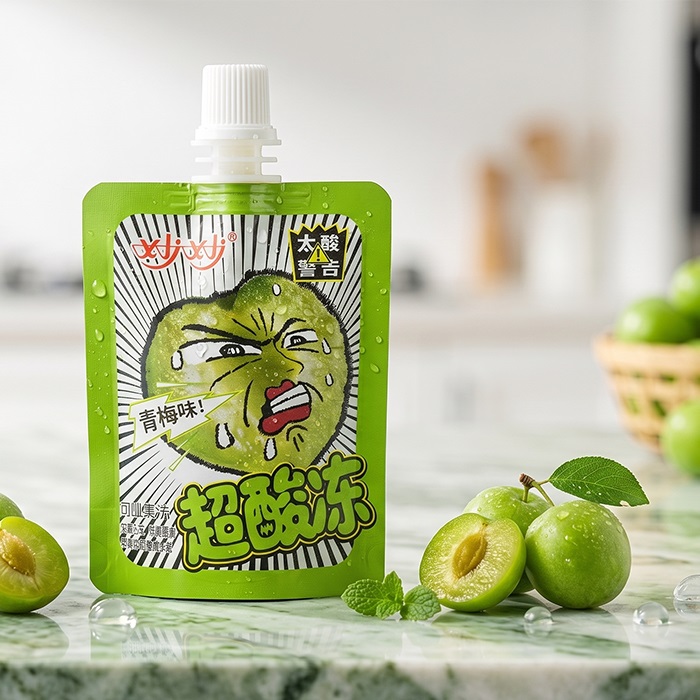
You want to make smart choices for your kids, so checking the sugar content in juice boxes matters. Not all juice is created equal. Some brands keep sugar low, while others sneak in more than you expect. Here’s a quick look at how popular options stack up:
|
Juice Box Name |
Sugar Content (grams) |
Added Sugar |
Vitamin C Content (%) |
|---|---|---|---|
|
Uncle Matt's Organic Superfruit Punch |
6 |
No |
150 |
|
Apple & Eve Organic Quenchers Razzberry |
9 |
No |
70 |
|
Honest Kids Organic Super Fruit Punch |
8 |
No |
70 |
|
R.W. Knudsen Sensible Sippers Organic |
7 |
No |
N/A |
|
Juicy Juice Splashers Organic Fruit Punch |
9 |
No |
100 |
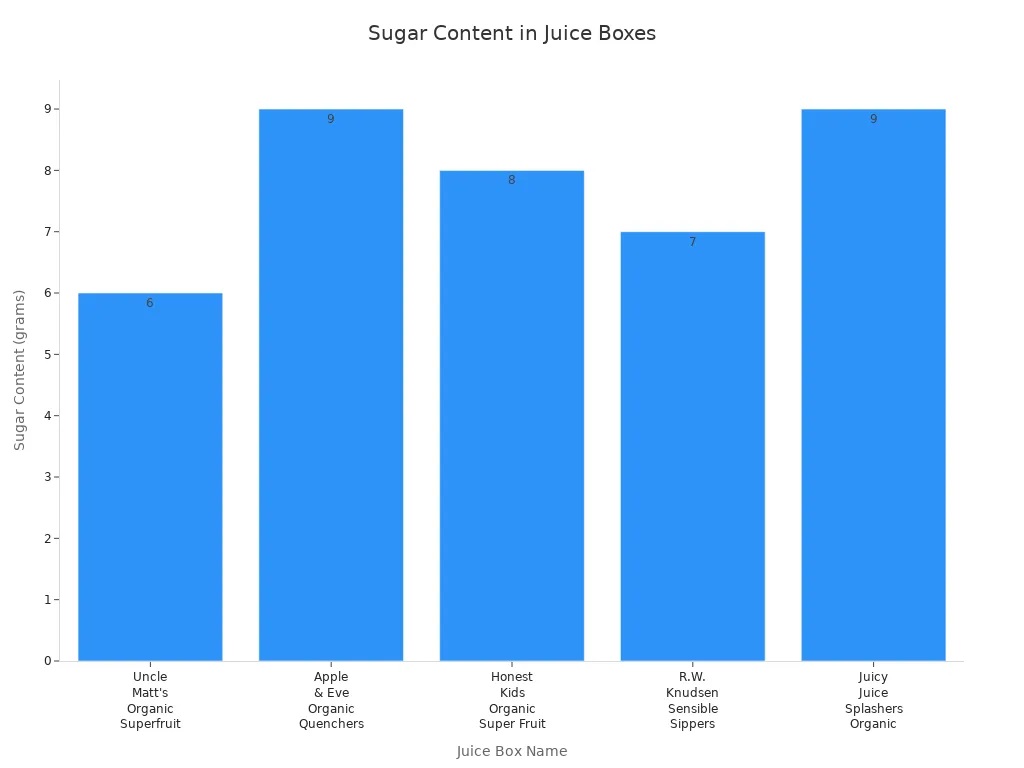
Juice boxes can pack several teaspoons of sugar into a single serving. Pediatricians recommend limiting sugary drinks because even products that look healthy can add up fast. For kids ages 5-8, stick to 4-6 ounces per day. Older children and teens can have a bit more, but moderation is key.
Tip: Always check the label. Even organic or “no added sugar” drinks can have more sugar than you think.
Health Risks of Excess Sugar for Kids
Too much sugar can cause more than just a sugar rush. Here’s what you need to watch for:
-
Obesity and unhealthy weight gain
-
Tooth decay and painful cavities
-
Insulin resistance, which can lead to type 2 diabetes
-
Early heart health problems
-
Poor diet quality and missed nutrients
-
Hyperactivity and trouble paying attention
-
Irritability and mood swings
You can help your child avoid these risks by choosing low-sugar juice boxes and serving them in moderation.
Serving Kids' Juice in Moderation
Age-Appropriate Portions
You want your kids to enjoy juice, but you also want to keep their portions safe and healthy. Age-appropriate moderation helps you balance flavor and nutrients without overdoing it. Pediatricians recommend different serving sizes for each age group. Check out this table for easy reference:
|
Age Group |
Recommended Juice Portion |
|---|---|
|
Under 1 year |
No juice |
|
1 to 3 years |
Up to 4 ounces |
|
4 to 6 years |
4 to 6 ounces |
|
7 to 14 years |
Up to 8 ounces |
You can use these guidelines to make sure your child gets just enough juice to enjoy the taste and benefit from nutrients. If you stick to these portions, you help prevent sugar overload and keep snack time healthy.
Tip: Offer juice with meals instead of as a stand-alone drink. This helps your child absorb nutrients better and keeps their intake balanced.
Limiting Daily Intake
You might wonder how much juice is too much. Limiting daily intake protects your child from health risks like cavities and weight gain. The American Academy of Pediatrics suggests clear limits for each age group. Here’s a quick look:
|
Age Group |
Maximum Juice Intake (100% Juice) |
|---|---|
|
Under 1 year |
None |
|
1-3 years |
4 ounces |
|
4-6 years |
4-6 ounces |
|
7-18 years |
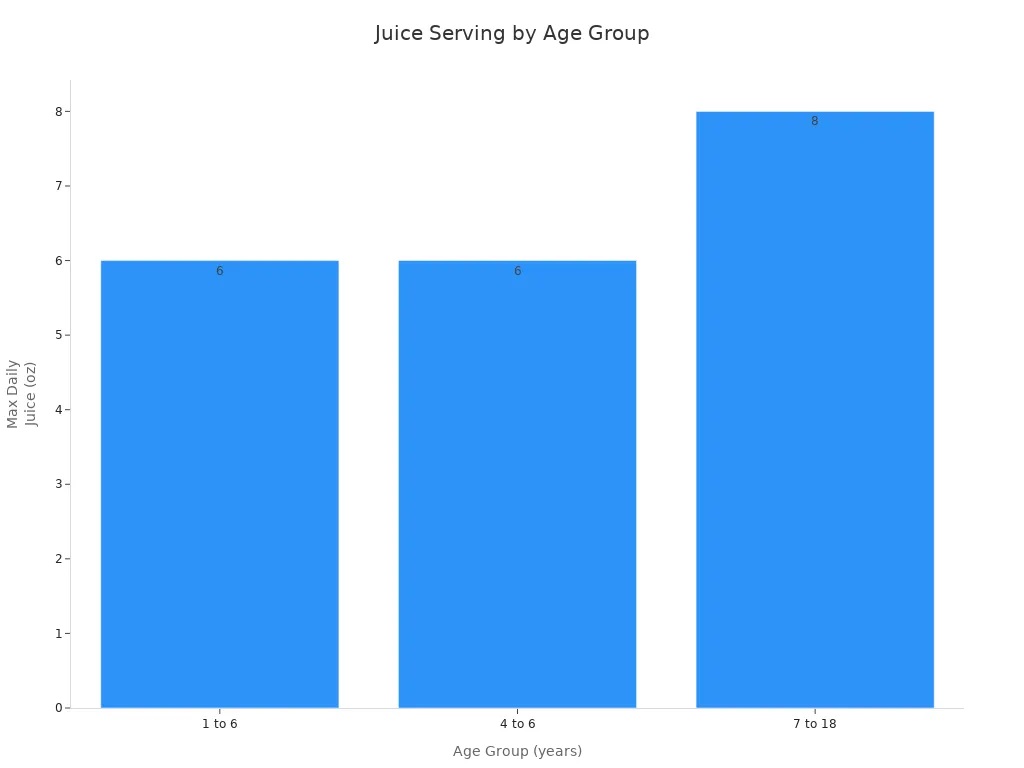
8 ounces |
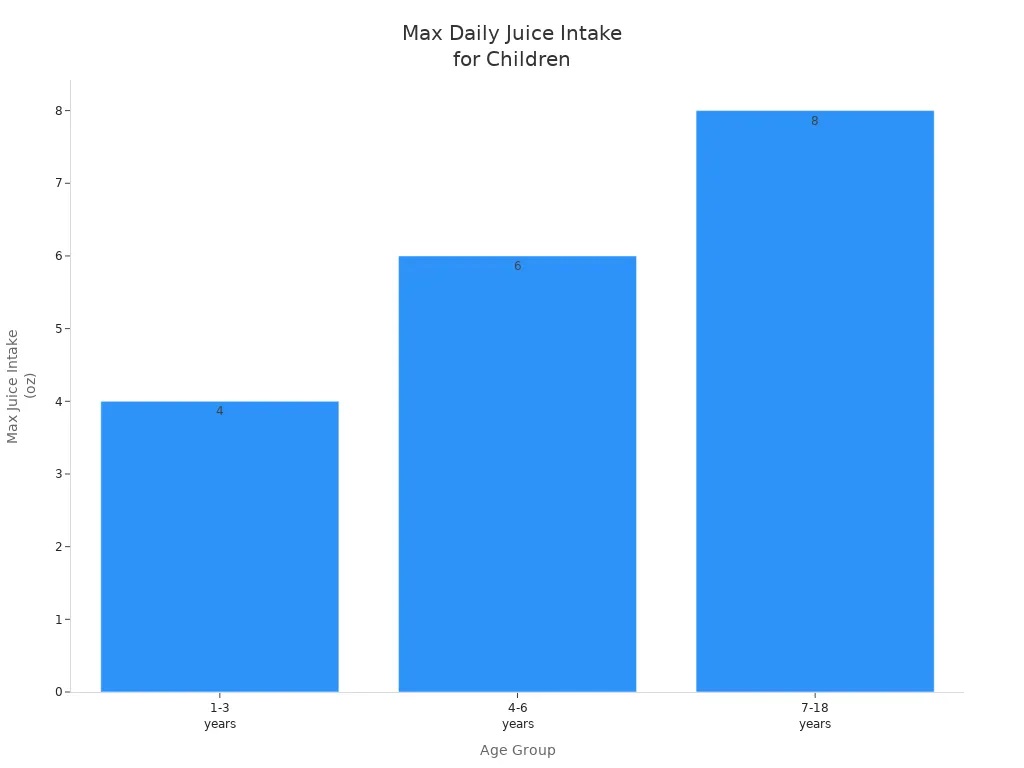
You can use these limits to guide your choices. If you keep juice servings small and stick to age-appropriate moderation, you support your child’s health and help them get the right nutrients. Remember, water and milk are always great options for hydration.
Healthy Alternatives for Kids
Water and Milk as Primary Drinks
You want your child to stay hydrated and healthy. Water and milk offer the best choices for daily drinks. Water keeps your child refreshed and supports every body function. Milk gives calcium, vitamin D, and protein for strong bones and teeth. You avoid extra sugar and empty calories when you pick these options. Juice pouches often contain added sugars and lack fiber. Even 100% fruit juice can lead to tooth decay if your child drinks too much. Fruit drinks usually have little real juice and don’t provide lasting nutrition.
Tip: Serve water or milk with meals. You help your child build healthy habits that last.
Whole Fruits vs. Juice Pouches
Whole fruits give your child more than just sweetness. You get fiber, phytonutrients, and antioxidants that juice pouches lose during processing. Fiber keeps your child full and supports digestion. Whole fruits also protect teeth better than sugary drinks. You reduce the risk of dental issues and help your child absorb nutrients naturally.
Here’s a quick look at how popular juice pouches compare:
|
Juice Box Name |
Sugar Content |
Vitamin C % |
Other Nutrients |
|---|---|---|---|
|
Uncle Matt's Organic Lemonade Juice Box |
0g |
150% |
Vitamin D, Zinc |
|
Honest Kids Appley Ever After |
8g |
70% |
Potassium |
|
Uncle Matt's Organic Superfruit Punch |
6g |
150% |
Vitamin D, Zinc |
|
Apple & Eve Fruitibles Plus Power Punch |
13g |
70% |
Vitamins A, E |
|
Vita Coco Kids Paradise Punch |
8g |
20% |
Calcium |
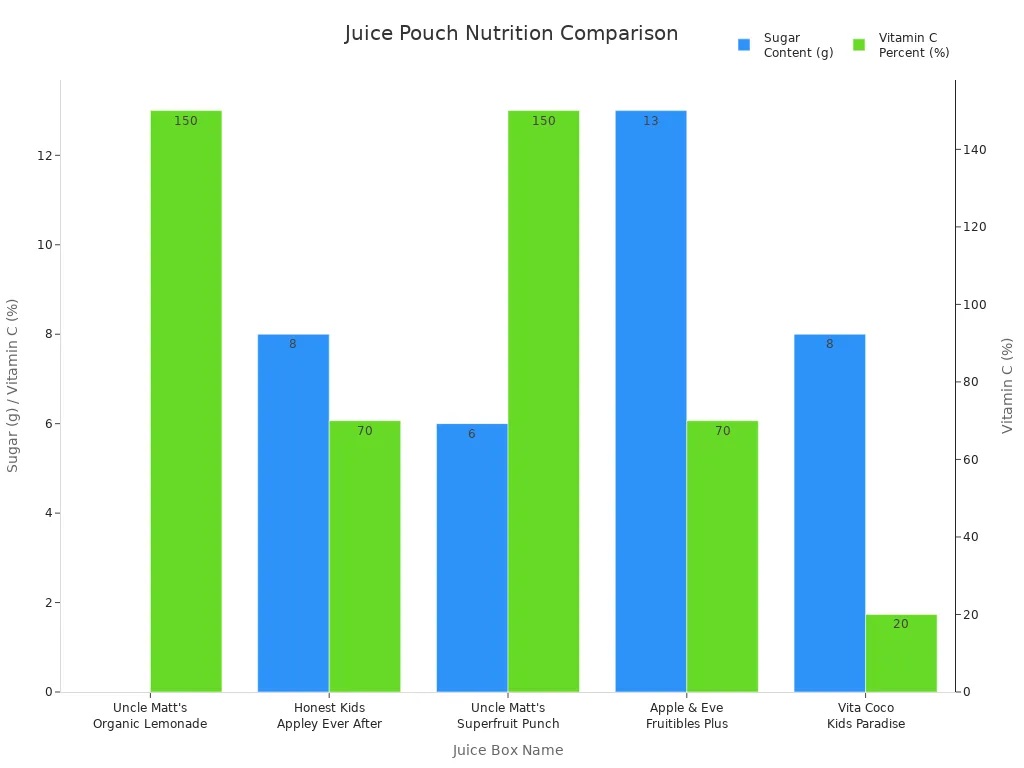
You make the healthiest choice when you offer whole fruits and keep juice as an occasional treat. Your child gets more nutrients and fewer risks. Try fresh apple slices, berries, or oranges for snack time. You support your child’s growth and well-being every day.
Excess Juice Warning Signs
Obesity and Dental Issues
You might notice your child reaching for juice more often than water or milk. This habit can lead to problems you want to avoid. When kids drink too much juice, they take in extra calories without feeling full. This can cause unhealthy weight gain over time. Many families in big cities see rising childhood obesity rates, and drinks like flavored milk and juice play a big role. These drinks often have added sugars, which can push your child’s daily sugar intake above healthy limits.
Dental health also takes a hit with excessive juice intake. The sugars in juice feed bacteria in your child’s mouth. These bacteria make acids that attack tooth enamel. Over time, this weakens teeth and leads to painful cavities. Frequent sipping means teeth get exposed to acid again and again, raising the risk of decay.
Tip: Offer juice only with meals to help protect your child’s teeth and keep sugar intake in check.
How Parents Can Spot Overconsumption
You want to catch warning signs early. Here’s what you can watch for:
-
Your child asks for juice all day or finishes pouches quickly.
-
You notice less interest in water or milk.
-
Your child complains of stomach aches or has loose stools.
-
You see weight gain or your pediatrician mentions growth concerns.
-
Cavities or dental visits become more frequent.
The American Academy of Pediatrics recommends no juice for babies under 12 months. For older children, stick to age-based limits. Too much juice can crowd out healthier foods, leading to poor nutrition. If you notice these signs, try offering water or whole fruit instead. You support your child’s health by keeping excessive sugar intake in check.
You can make a healthy choice for your child’s diet by following these recommendations:
-
Pick the healthiest fruit juice with the lowest total grams of sugar.
-
Delay juice consumption until after the first birthday.
-
Offer juice in moderation and never let it replace water or milk.
Parents who learn about healthy diet habits and involve kids in making juice feel empowered. You help your child thrive.
FAQ
What is the healthiest way to serve kids' juice?
You can serve kids' juice with meals. Use small cups. Offer water or milk most of the time. Juice should be an occasional treat.
How can you spot added sugars in juice pouches?
Look for words like syrup, honey, or cane juice on the label. You can check the Nutrition Facts for total sugar content.
Should children drink juice every day?
You should not give juice every day. Whole fruits and water work best for children. Juice can lead to too much sugar if you serve it often.