Strawberry likes warm and cool climate:
Strawberry root system growth temperature is 5-30℃, suitable temperature is 15-22℃, the suitable temperature for stem and leaf growth is 20-30℃, buds will be frozen at -15-10℃, the temperature of flower bud differentiation period must be kept at 5-15℃, and the flower will bear fruit 4-40 ℃. In summer, when the temperature is higher than 30℃ and the sunshine is strong, shading measures should be taken.
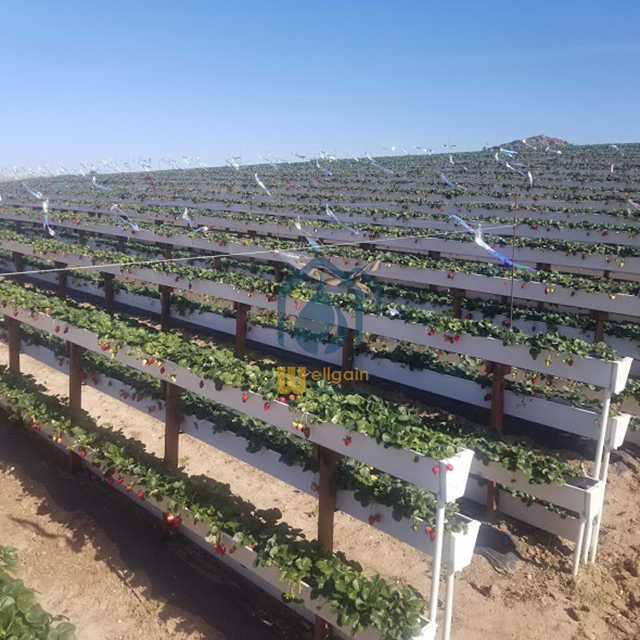
Strawberry is a light-loving plant, but it has strong shade tolerance:
When the light is strong, the plant is short and strong, the fruit is small, the color is dark, and the quality is good.
Medium light, big fruit, light color, low sugar content, longer harvest period.
Too weak light is not good for strawberry growth.
Strawberry's watering requirements:
Strawberry has a shallow root system, a large amount of transpiration, and at different growth periods the water requirements slightly different. Strawberries are not tolerant to waterlogging.
The correct watering time:
usually it is necessary to choose to do it in the afternoon on a sunny day. If it snows or rains, it is not necessary to water, otherwise the environmental humidity in the greenhouse is too high and it is easy to cause disease.
Water should not be watered at noon, especially when the flowering period is approaching, it will interfere with normal pollination, and the grown fruits are prone to deformities. After entering the blooming period, the daily watering amount should be controlled, and the strength of the wind should be converged, otherwise it is easy to cause poor pollination and fertilization.
In the greenhouse, the root system of strawberry is usually shallow, but the leaf area is larger, and it likes a humid climate. The amount of irrigation should not be too much, otherwise the roots will not be able to breathe freely, it will be easy to rot and blacken, and finally the whole plant will die.
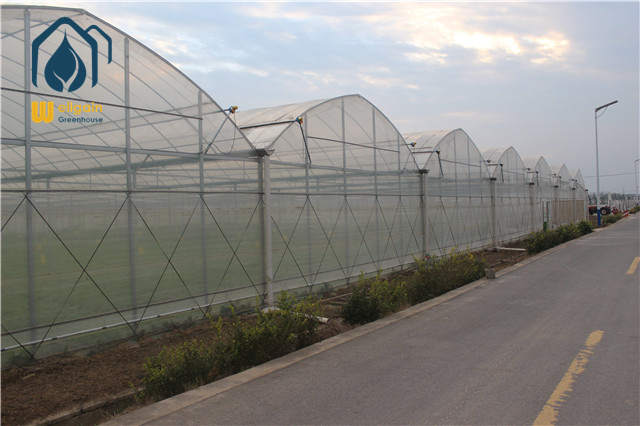
can be used, and fertilizer can be added at the same time as watering. This irrigation method can effectively improve the humidity, reduce the occurrence of diseases, and at the same time increase the surface temperature, maintain the normal air permeability of the medium, and promote the development of the root system.
Management after irrigation is also very important. You can usually check the weather forecast before irrigation. If it rains continuously in the next few days, you can seal the greenhouse after watering and wait for the temperature to rise before ventilating.
Regarding watering the strawberries, there is one more thing to pay attention to. Control the temperature of the water, especially in winter. If the water temperature is too low, it will affect the development and quality of the fruit. It is best to keep it at about 25 degrees.
1. Hydroponic equipment: the equipment is generally divided into pipeline type, three-dimensional nutrition membrane type, tidal type. For large-scale vegetables, cement tanks are generally planted and used to lay plastic. The cheapest is to put on the tank on the shelf. The cost is relatively high. Most of the pipelines are used in sightseeing agriculture. The advantages are beautiful, the nutrient solution is not easy to infect, and the disadvantages are not easy to clean. If the length is exceeded, itching measures are needed. The column type is required, The advantages of the nutrient liquid membrane type and tidal type are considered. The spatial utilization rate is the most efficient, the disadvantage cost is high, and the non experienced person is difficult to DIY. However, this is the most beautiful and the highest utilization space rate at present, and can rotate.
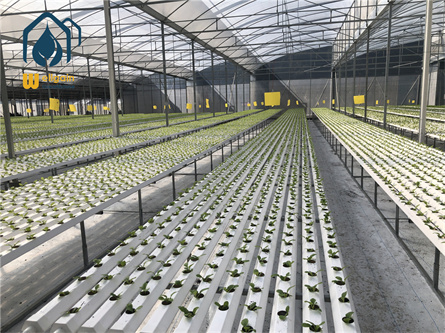
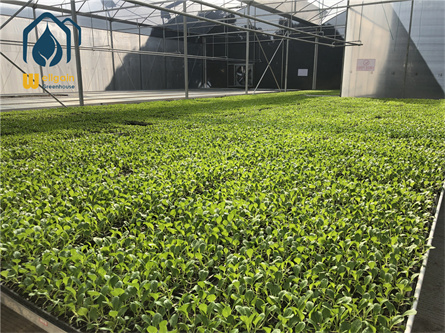
2. Nutrition solution: currently, most of the nutrient solutions are general formula, generally divided into three mother solutions, two of which are transparent solutions, one is that trace elements are mostly yellow brown or brown due to chelating iron. The high multiple of the three solutions cannot be mixed, because precipitation fails, so most of them are diluted with water first, and then configured together according to the standard multiple. Normally, it is light brown, a small amount or no white precipitation. If a large amount of precipitation occurs, dilution and stirring is insufficient, and the nutrient solution needs to be re mixed.
3. Seedlings: germinate to a true leaf, only clear water is used, and no nutrient solution is used. Once the cotyledon is out, it is necessary to reduce water and ventilate the light immediately. When no soil is available, it is necessary to prevent the length of the seedling and the most easily to grow. After a true leaf, it starts to add half concentration. EC can be accepted in 500-800. If it grows to 4 to 5 real leaves, it can be planted on the equipment. The standard concentration nutrient solution can be used
The internal shading system can improve the ecological environment in the greenhouse by adjusting the light
In summer, when the indoor temperature rises to a certain value, it can reflect part of the sunlight according to different shading rates and diffuse the sunlight into the room to achieve the purpose of cooling; closing the inner shading curtain can reduce the temperature of the greenhouse by 4~6℃ to reduce the indoor The required temperature.
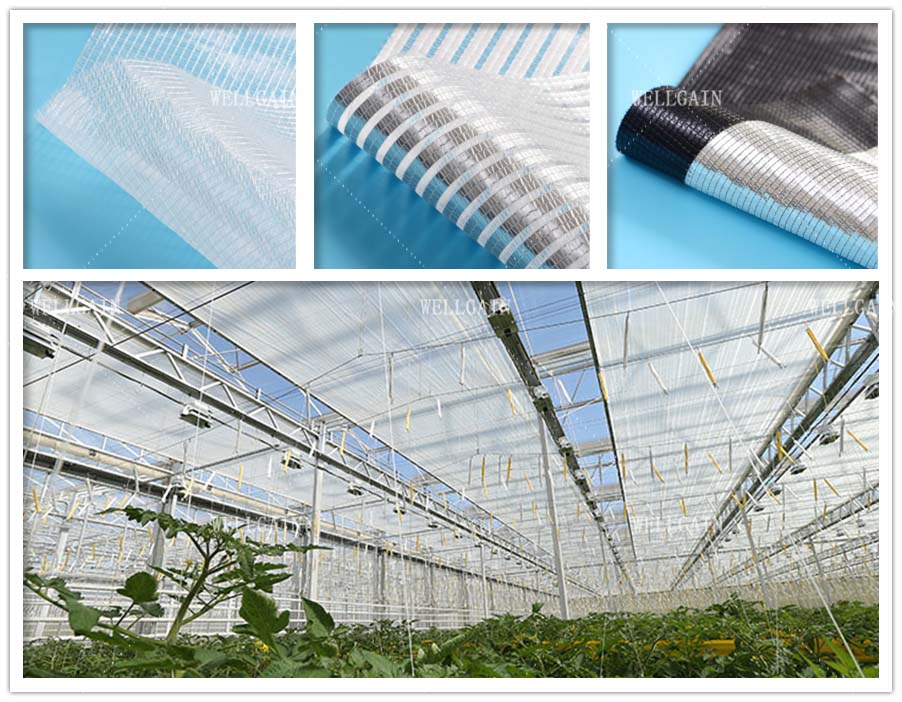
On the contrary, at night in winter, closing the inner shading screen can effectively prevent infrared rays from escaping. When the greenhouse or indoor temperature at night drops to the set low temperature limit, close the inner shading screen to strengthen the greenhouse's heat preservation and reduce the loss of ground radiant heat. , Reduce heating energy consumption, greatly reduce the operating cost of the greenhouse; In the daytime, the inner shading curtain can be opened to make the greenhouse full of light. The system is controlled by a separate motor.
The inner shading screen is equipped with an inner shading system under the gutter in the greenhouse. The inner shading material adopts aluminum foil shading screen, which is made of 4mm wide aluminum foil and polyester material woven by high-strength polyester yarn. The special aluminum foil and polyester give outstanding radiation reflection and transmission functions, so as to ensure that the indoor temperature during the day is low and the energy-saving effect is very good. The temperature of the crop at night is basically the same as the ambient temperature. Good indoor climate conditions avoid leaf condensation, reduce diseases, and reduce energy costs.
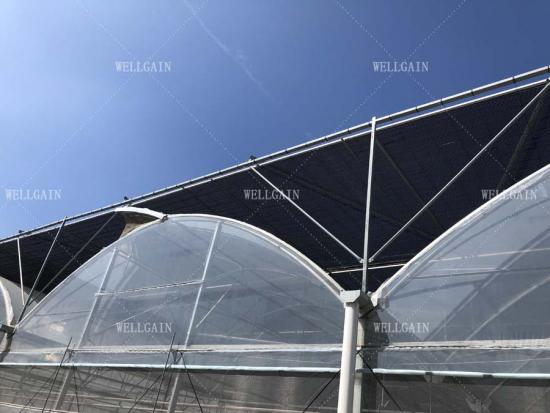
The woven structure of the aluminum foil shade screen allows sufficient water vapor to pass through and prevents condensation at the bottom of the screen; because the screen is a high-strength anti-ultraviolet, anti-static product, it can remain clean and effective after many years of use. The UV stabilizer added in the material is resistant to chemicals commonly used in greenhouses.
Due to the fact that the Khulna region of Bangladesh is very prone to floods and the soil has a high salt content, farmers in this region have been unable to make good use of the land to grow crops and vegetables. "We can neither grow crops nor raise fish," said a 45-year-old farmer in the Satkhira district of southwestern Bangladesh.
As we all know, Bangladesh has flat and fertile land, which is very suitable for growing crops and vegetables throughout the year. However, as the water level rises, the land in the southern part of the delta is becoming less and less suitable for planting.
Dr. A F M Jamal Uddin, a professor in the Department of Landscape Architecture of Bangladesh Agricultural University, hopes that hydroponics can solve this problem. He pointed out a series of challenges to realize hydroponics cultivation. Because the cost of hydroponics is very high, Bangladesh is still far away from the commercialization of this method.
In order to ensure that hydroponics can bring sufficient benefits to crops, crops need to be grown in a film greenhouse made of special polyethylene materials, which helps control the temperature in the greenhouse. Rain and bad weather will be one of the challenges facing thin film greenhouses. In order to reduce rain and bad weather damage to the film greenhouse, a more durable polyethylene material made in Israel can be used.
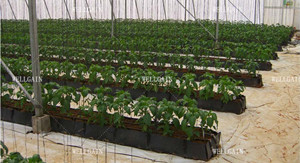
As there is less and less dry land in the area, local farmers are forced to practice hydroponic garden farming. The current hydroponic technology has been greatly developed, and the yield of crops harvested by this technology has been increasing year by year. Due to the salinization of local land, this method of growing agricultural products has become more and more necessary. Through the use of hydroponics, high-value crops can be planted throughout the year without the use of soil.
The Bangladesh government has been working hard to promote hydroponics to grow crops, especially in areas where monsoon rains are prone to flooding. In 2013, the government approved a project worth 1.6 million US dollars to promote the development of hydroponic agriculture, which covered 12,000 households in 8 districts of Bangladesh.
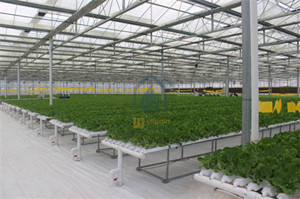
Strawberry is a fruit with large water demand, especially planted in greenhouse. It usually needs correct irrigation from seedling growth period to fruit bearing period to make the soil contain sufficient water. However, the requirements for water quantity are completely different in different periods. For example, after flowering, the field humidity should be maintained at about 70%, and the proportion should be increased in the fruit expansion period. So how to water the strawberries in the greenhouse?
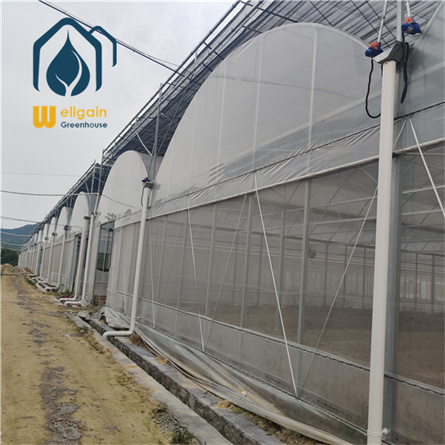
First of all, we should master the correct watering time. It usually needs to be carried out in the afternoon on a sunny day. In case of snow and rain, there is no need to water. Otherwise, the environmental humidity in the greenhouse is too high, which is easy to produce diseases. It should not be watered at noon, especially in the flowering period, which will interfere with normal pollination, and the fruits are easy to be deformed. After entering the full flowering period, the daily watering amount should be controlled and the intensity of ventilation should be restrained, otherwise it is easy to cause bad pollination and fertilization.
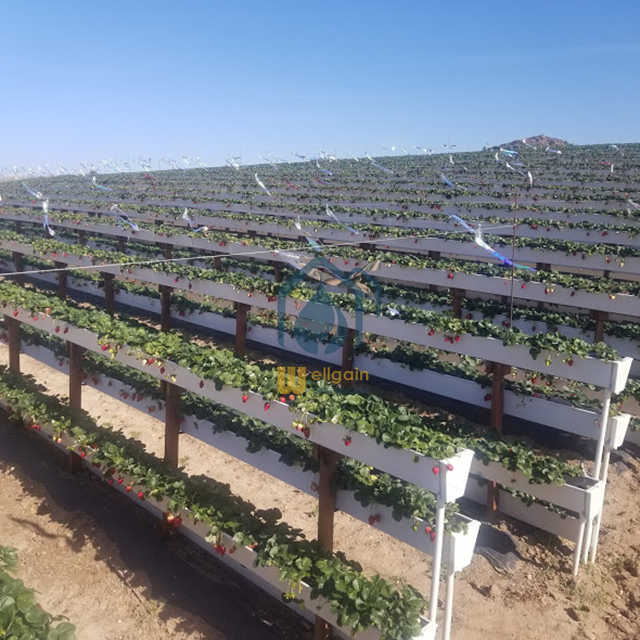
In the greenhouse, the roots of strawberries are usually shallow, but the leaf area is large. They like a humid climate. The amount of irrigation should not be too much, otherwise it is easy to cause the root to be unable to breathe freely, it is easy to rot and blacken, and finally the whole plant dies. Drip irrigation can be adopted with small investment, which can reduce labor and bring fertilizer while watering. This irrigation method can effectively improve the humidity, reduce the occurrence of diseases, improve the surface temperature, maintain the normal permeability of soil and promote the development of roots.
The management after irrigation is also very important. Usually, you can check the weather forecast before irrigation. If it rains continuously in the next few days, the greenhouse can be closed after watering and ventilated after the temperature rises. There are several precautions about watering strawberries. Control the water temperature, especially in winter. If the water temperature is too low, it will affect the fruit development and quality. It is best to keep it at about 25 degrees.
Farmers with conditions can prepare a reservoir aside to store irrigation water at ordinary times. It is also necessary to master the irrigation amount. The temperature in the film greenhouse is relatively constant and the evaporation is not large. It is easy to pour too much, resulting in root asphyxia. Especially in winter, the ventilation time is relatively short, and the method of small water frequent pouring can be adopted. At the beginning of flowering and fruit setting, fertilizer can be added while watering, which can not only meet the water demand of crops, but also improve the utilization rate of fertilizer.
The above are all reasons that restrict the profitability of soilless cultivation. In fact, from the perspective of the development of soilless cultivation in various countries in the world, they all start with the recycling of gravel cultivation, and the cost is relatively high. The NFT system appeared in the mid-1970s. Various natural and artificial substrates developed at the same time. Europe found rock wool and considered it the best substrate, while Canada used sawdust as the substrate because of the advanced timber industry. The vast majority of substrate cultivation is that the nutrient solution is not recycled, and the cost is low. It has become the main method of soilless cultivation in various countries.
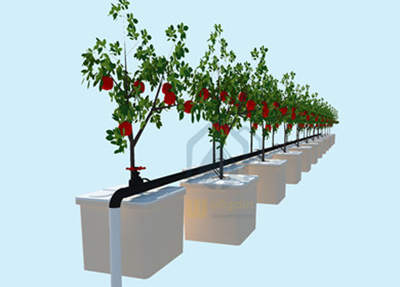
In developed countries such as the Netherlands, Japan, the United States, Denmark, the United Kingdom, France, Germany, and Israel, the production of soilless culture has achieved a high degree of mechanization, automation, electronics, and specialization. The environmental conditions (temperature, humidity, CO2 concentration, ventilation, light) and nutrient solution preparation of the greenhouse are completely controlled by the computer. The production process, including sowing, thinning, transplanting, pest control, harvesting, and grading packaging, is fully automated. , Realizing one-stop factory production, reaching the annual supply of products, high output value, and significant economic benefits; although the initial investment is relatively high, with the gradual maturity of technology and equipment, and the reduction of labor and energy consumption in the later period, the level of income has been Continued growth.
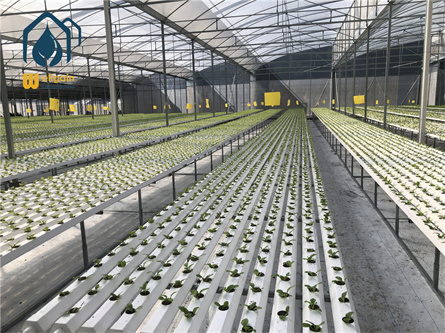
Another trend is mainly in developing countries, mainly based on their national conditions and economic and technical conditions, using simple equipment to obtain materials on site and manual operations. The purpose of developing soilless culture in these countries is to transform the environment, save water and soil resources, and solve the basic needs of people's lives. For China, the main goal of soilless cultivation technology is to study popular soilless cultivation facilities suitable for my country's national conditions in order to reduce investment and production costs. And high-tech applications such as microelectronics, computers, and the Internet of Things are applied to soilless cultivation facilities to realize real-time monitoring of the nutrient solution storage, liquid temperature, pH value, conductivity and supply time. In addition, high-end soilless cultivation can also be carried out for greenhouse parks with conditions. For example, China’s climate and environmental characteristics are more suitable for tomato production. At present, several large modern tomato production greenhouses that are launched use soilless cultivation. Good income has been achieved.
Soilless cultivation refers to a cultivation technique that uses substrates, water, and nutrient solutions containing essential elements for plant growth and development to provide nutrients without using natural soil, so that plants can complete the entire life cycle normally. At present, the United States has listed soilless culture as one of the top ten high-tech developments in the country. In Japan, soilless culture technology has also been used by many scientists as a powerful means to study "cosmic farms".
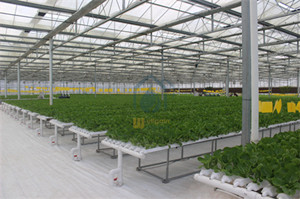
Undoubtedly, soilless cultivation technology has a wide range of advantages, which can not only effectively prevent soil continuous cropping obstacles and soil-borne diseases; improve crop yield and quality; save water, fertilizer, and labor, but also greatly expand agricultural production space and make crops Can not rely on soil for production. However, in the promotion process, the separation from the soil also brings corresponding problems, restricting the industrial development of soilless culture technology. Many people have some doubts about whether the soilless culture model is profitable, and adopt the wait-and-see mode! Let’s analyze, can the soilless cultivation model be profitable?
Reasons that restrict the profitability of soilless cultivation
1. Lack of buffer, once the victim is injured, the loss will be serious
That is, it can automatically adjust its acidity, alkalinity, trace element and various nutrient concentrations, microbial community distribution and other necessary elements for cultivated plants according to the external situation. And the cultivation base of soilless culture is completely artificially adjusted, and a single defect will immediately impact the normal growth of the plant, causing plant disease or death.
2. The initial investment is too large
Soilless cultivation needs to be implemented in a smart greenhouse. All facilities such as the pre-construction greenhouse, soilless cultivation facilities, water and fertilizer integration system must be pre-purchased and constructed. All heating, cooling, ventilation, aeration, oxygenation, and destruction Insects, sterilization and other equipment must be operating normally and fully controlled. These are very expensive and consume a lot of energy to run.
3. High nutrient solution requirements
For soilless culture technology, nutrient solution is the only way for plants to obtain nutrients. Different plants have different requirements for the environment in different seasons and different growth stages, and their nutritional requirements will be very different. This needs to be very clear in advance about the growth law of the plant, and every link must not be deviated. Once it makes a mistake, it will be wiped out. Especially the reproduction of microorganisms. Once a microorganism is suitable for growth in the nutrient solution, it will multiply in an explosive manner until the original ecological balance is completely destroyed, causing all-out plant disease and death.
4. Management is complicated and cumbersome
General field management advocates fine management, and soilless cultivation is "super fine management". There is no big or small matter, and every link must be scientific and accurate. This is too demanding for ordinary agricultural practitioners.
So what are the important factors that affect the service life of greenhouses? For details, follow the domestic professional construction company- Xiamen Wellgain Greenhouse Engineering Co., Ltd. take you to learn more about it!
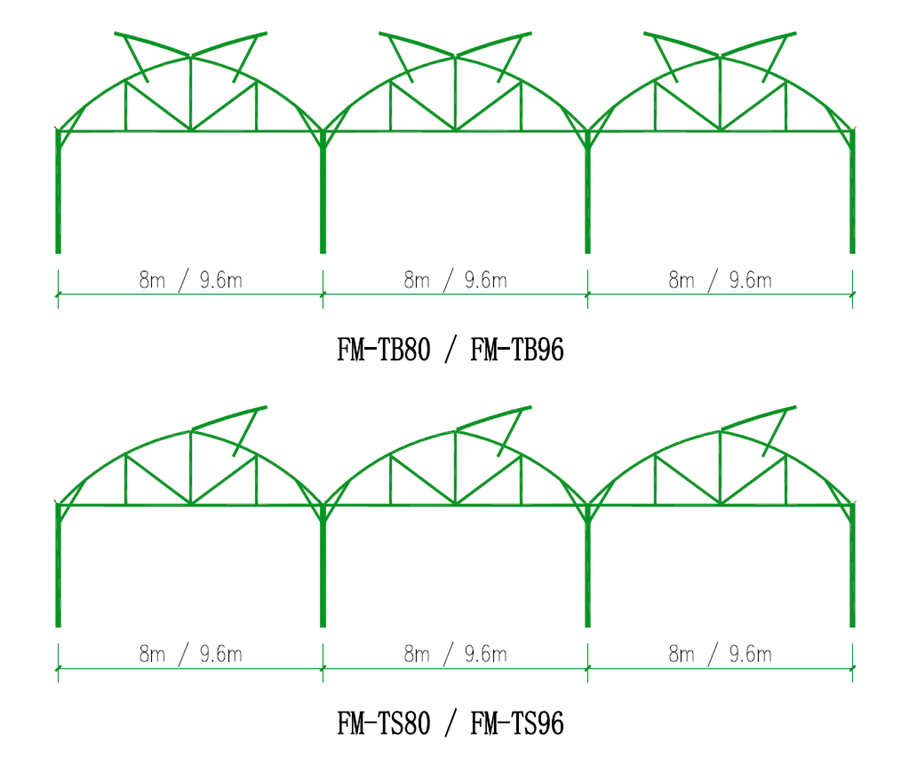
1. The light transmission effect is better
The greenhouse is a lighting building, so it must have good light transmission conditions when constructing the greenhouse. The light transmittance is the basic indicator of the intention to evaluate the light transmission performance of the greenhouse. The light transmittance refers to the amount of light that penetrates into the greenhouse and the amount of outdoor light. The light transmittance of the greenhouse is affected by the light transmittance of the light-transmitting cover material of the greenhouse and the shadow rate of the greenhouse stock price. Later, with the different solar radiation angles in different seasons, the light transmittance of the greenhouse also changes at any time, so the light transmittance The high or low rate becomes the direct influence factor of crop growth and selection of plant species.
Second, the thermal insulation performance of the greenhouse
Greenhouses should also pay attention to thermal insulation performance. Improving the thermal insulation performance of the greenhouse and reducing energy consumption are direct means to increase the efficiency of greenhouse production. The thermal insulation ratio of the greenhouse is an important indicator of the intention to measure the thermal insulation performance of the greenhouse. The thermal insulation ratio of the greenhouse refers to the thermal resistance ratio. The ratio of the coverage area of the small greenhouse light-transmitting material to the coverage area of the greenhouse maintenance structure with greater thermal resistance. The larger the heat preservation ratio, the better the heat preservation performance of the greenhouse.
Three, the greenhouse must be durable
The construction of greenhouses needs to consider its durability. The durability of greenhouses is affected by the aging resistance of greenhouse materials. Influenced by factors such as the carrying capacity of the main structure of the greenhouse, the durability of the light-transmitting material is not only its own strength, but also shows the constant attenuation of the light transmittance of the material over time, and the degree of attenuation of the light transmittance affects the light-transmitting material The determinant of the service life, because the greenhouse runs for a long time in a high temperature and high humidity environment, the anti-corrosion of the surface of the components is also one of the important factors affecting the service life of the greenhouse.
The large-scale construction of greenhouses is a large project. Not only the area occupied by the greenhouses, but also the area of open land needs to be considered. In addition to natural conditions, a reasonable plan should be made for the disposable land, and the overall scale of the greenhouse should be properly arranged.
1. Introduction
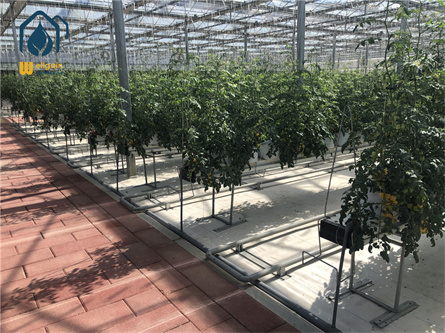
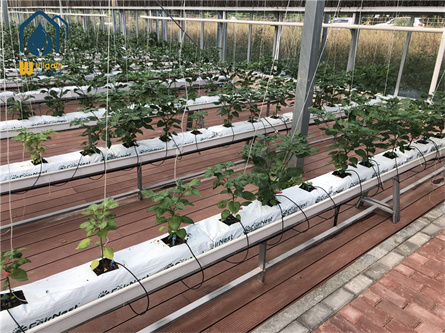
Hydroponic vegetable refers to the vegetable that most of the root system grows in the nutrient solution layer and only provides water, nutrient and oxygen through the nutrient solution, which is different from the vegetables cultivated under the traditional soil cultivation method. Hydroponic vegetables have a short growth cycle and are rich in vitamins and minerals necessary for the human body.
The most common hydroponic vegetables are leafy vegetables, which are easy to manage. In addition to some leafy vegetables, there are also some fruit and vegetable vegetables that can also be hydroponics, such as cucumbers, melons, tomatoes and so on.
2. Hydroponics
Hydroponics is a kind of soilless culture, classified into non-substrate cultivation. Substrate-free cultivation type refers to the environment where the plant roots grow without substrate to fix the root system. The root system grows in nutrient solution or humid air containing nutrient solution, but when raising seedlings Some matrices may be used. Hydroponics refers to the soilless culture (Water Culture, Solution Culture) in which most of the roots of plants grow directly in the nutrient solution layer. Mainly include: Nutrient Film Technique (NET, Nutrient Film Technique), where plants are planted on a 1-2cm thick shallow nutrient solution layer that continuously circulates; Deep Flow Technique (DFT, Deep Flow Technique), nutrition The depth of the liquid layer is at least 4-5cm, the deepest is 8-10cm, and sometimes even deeper. The nutrient solution circulates at a set frequency; FCH (Floating Capillary Hydroponics), in the deeper (5-6cm) nutrient solution A piece of foam covered with a non-woven fabric is placed in the liquid layer, and the root system grows on the wet non-woven fabric.
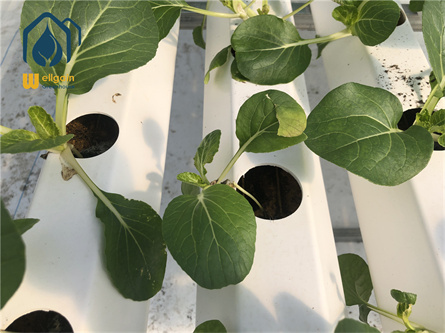
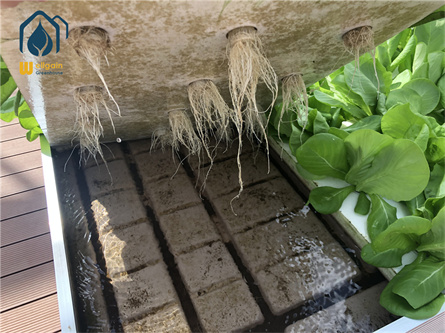
Characteristics of hydroponic vegetables
1. The root system is mainly milky white capillary root to absorb water and nutrition;
2. The root system adapts to the aquatic environment, and there are some aerial roots around it to absorb oxygen;
3. Short growth cycle and early listing.
- Buddha Jump Over the Wall1
- Canned Abalone2
- Canned Turtle Soup1
- Edible Bird's Nest2
- Frozen Foods1
- Frozen Seafood8
- Jelly/Pudding Applications1
- Meat Product Applications2
- Others Applications5
- Plant-based meat Product Applications1
- SURIMI2
- Soft Candy1
- Soft Candy Applications4
- bottle1
- can end2
- packaging film2
- tableware3