Fish oil capsules are a popular supplement that contains nutrients beneficial for our body. But what happens if we take them every day? Let’s find out how they can positively impact our health.
Heart Health: Fish oil is rich in Omega-3 fatty acids (EPA and DHA), which help protect our heart.
Brain Function: Omega-3 fatty acids are also important for our brain. Daily fish oil capsules can improve our memory, help us think more clearly, and even boost our mood. Studies show they support brain development and might help prevent memory loss as we age.
Reduce Inflammation: Fish oil can also reduce inflammation in our body. Inflammation happens when our body reacts to things like injuries or diseases.
Healthier Skin and Hair: Fish oil is great for our skin and hair. It helps keep our skin hydrated, making it softer and less dry. For hair, it can reduce dandruff and make hair stronger and shinier.
For related products, please visit our website:https://www.reachever.com/
If you’ve ever taken a supplement designed to support healthy hair or nails, it’s likely that high doses of biotin were a main ingredient.
Biotin (vitamin B7) is an essential B vitamin that helps to break down the protein, fat, and carbohydrates in the foods we eat—but it’s most well known for its purported role in supporting hair and nail growth.
While there isn’t much solid evidence for the use of supplemental biotin in those without a deficiency, many people anecdotally report improvements in hair and nail health when taking them.
However, biotin supplements can vary widely in dosage. So, how much is too much, and conversely, how much do you need to take to see results? Let’s find out.
Biotin Dosage: How Much Biotin to Take
The Food and Nutrition Board has set either an RDA (Recommended Dietary Allowance) or AI (Adequate Intake) for vitamins and minerals.
The RDA is the average daily nutrient intake level needed to meet the requirements of 97-98% of healthy adults.
The AI is an intake level that is assumed to be nutritionally adequate for most people, but the available evidence is insufficient to develop an RDA.
The Food and Nutrition Board has not found sufficient data to set an RDA for biotin, which is why you’ll only see AIs for this nutrient.
While the AI for adults is 30 micrograms (mcg) per day, many supplements contain much more.
Unlike the fat-soluble vitamins (A, D, E, and K), biotin is a water-soluble vitamin, meaning it will be excreted once your body is replete with it.
Biotin Side Effects and Upper Level
There is no UL (Tolerable Upper Intake Level) for biotin, as toxicity or adverse effects from taking this vitamin have never been reported.
The UL is the maximum intake level of a nutrient that has been determined unlikely to pose a risk of adverse effects in humans. However, the key word is “unlikely”—upper intake levels cannot take into consideration every population and health condition.
Although toxicity is not reported from biotin, some people experience mild side effects like nausea and digestive issues, especially at high doses.
Plus, biotin megadoses are known to cause breakouts in acne-prone people—often doing the opposite of what a biotin-loaded skin health supplement claims. This may happen because biotin increases keratin production, and hyperkeratinization is critical to acne development.
Lastly, consuming more than the recommended daily amount—just 30mcg for adults—can cause false results in some laboratory tests, including hormone, thyroid, pregnancy, and vitamin D tests.
Do You Need to Take Biotin Supplements?
The average dietary biotin intake from food in Western populations is about 35–70 mcg per day, which is above the AI levels for biotin consumption.
As you can find biotin in many foods, including meat, fish, eggs, nuts, seeds, sweet potatoes, and beans, most people consume adequate amounts of biotin in their typical diet.
Therefore, biotin deficiency is rare in the United States—although it can cause thinning hair, skin infections, hair loss, brittle nails, skin rashes, fatigue, and nervous system disorders if it does occur.
If you don’t consume enough dietary biotin (or another B vitamin), taking a B complex supplement that contains biotin may benefit cellular function, energy levels, mood, and nerve health.
Like many other B complex vitamins, biotin is involved with gene regulation, cell signaling, and promoting the metabolism of fatty acids, glucose, and amino acids.
However, some people are more likely to become biotin deficient, including pregnant or lactating women and those with genetic mutations causing changes in biotin metabolism.
People who consume large quantities of raw egg whites can also experience biotin deficiency, as the whites contain a protein called avidin that binds tightly to the vitamin and prevents biotin absorption (cooking the egg white denatures avidin, so people who eat lots of cooked eggs don’t have to worry).
In cases of biotin deficiency, daily biotin supplementation is certainly recommended.
Biotin and Nail Strength
Most people do not need biotin supplementation unless biotin intake is low. Biotin supplementation may help promote nail strength or growth. However, this is supported by only a few case reports and small older studies.
For example, a small study from 1993 found that 63% (22 of 35) of participants showed clinical improvement in brittle nails when taking biotin for six months, although the dosage given is unknown.
Biotin and Hair Growth
Some evidence suggests that biotin stimulates keratin protein production and can increase the rate of follicle growth, which would be supportive for hair strength and growth.
In a 2017 review of 18 studies on biotin and hair or nails, people with biotin deficiency, brittle nails, or uncombable hair syndrome (yep, that’s a thing) saw benefits from taking biotin, while the healthy population did not.
Larger and more recent studies on biotin and nail strength have yet to be performed. It’s possible that taking biotin supplements may only benefit hair or nail growth if the person has a biotin deficiency.
Biotin and Pregnancy
Biotin is also essential during pregnancy, as it’s necessary for embryonic growth.
Over one-third of pregnant women can develop marginal biotin deficiency during pregnancy due to changes in biotin metabolism, so doses of 30mcg are recommended during this time.
Excess biotin (over 35 mcg/day) is not recommended during pregnancy or lactation, as it can be dangerous to the baby.
GNFCHEM is professional Food Additives manufacturer, please follows us and get more products catalogue and price!

In 1965, a lab technician from Hillel Pharmaceuticals, LLC, wiped his mouth without washing his hands while researching and developing gastric ulcer medication, and as a result, discovered methyl aspartyl phenylalanine, commonly known as aspartame, which is 200 times sweeter than sucrose, and which is often used in beverages due to its poor heat stability.
Later, people did something to aspartame to make it 7,000-13,000 times sweeter than sucrose, commonly known as neotame, which is currently the sweetest food additive....
1. Safety
Neotame is made from aspartame, and its properties are similar to aspartame in many ways. There has been a great deal of controversy about the side effects of aspartame, one of which has been identified as being that aspartame produces phenylalanine when metabolized in the body, making it unsuitable for intake by people with phenylketonuria and requiring special notation in the label. Because neotame is used in smaller quantities than aspartame, and because neotame molecules contain the 3,3-dimethylbutyl group, which almost completely blocks the function of the peptidase enzyme and thus reduces the formation of phenylalanine, neotame does not need to be specially labeled when it is added to food products. According to neotime's research report, Newt's Sweet is metabolized in the body and de-esterified to form de-esterified Newt's Sweet and trace amounts of methanol, which is quickly cleared from the plasma, and finally excreted completely from the feces and urine.
2. Application in food
①Application in all kinds of beverages
a. Carbonated beverages
Neotame can be used in cola-type carbonated beverages for 16 weeks, which is the same as the shelf life of low energy carbonated beverages sold in the market, and it can also be used in lemonade, root juice and other beverages.
b. Non-carbonated beverages
Neotame can be used in hot-filled lemon tea, solid powdered beverages, yogurt and other foods, and in these foods are very stable and good quality.
②Application in dairy products
Neotime can be used in dairy products, ice cream and other frozen desserts, when used in such products, when the end of the shelf life of such products, it was found that only 2% of the loss of neotime, which has no impact on the acceptability of the product, while other sweet wattle rarely reach this level, neotime is particularly suitable for the production of yogurt.
③Application in baked goods
Unlike aspartame, neotame can be stabilized under the condition of instantaneous high temperature, so it can be used in all kinds of baked foods such as cookies, cakes, chocolate cakes, etc. For example, in the production of cakes, after 4 hours, neotame can be stabilized under the condition of instantaneous high temperature. For example, in the production of cake, after baking at a high temperature of 450 ℃, 85% of the neotame still exists; and at 25 ℃, relative humidity of 60% of the place of storage for 5d, there is only 4% of the loss of neotame, in fact, even if the loss of 20% will not have an impact on the product.
④Application in chewing gum
Since the energy value of neotame is almost 0, and does not produce dental caries, it is suitable for the production of sugar-free chewing gum, which is not only suitable for diabetics, but also has no damaging effect on teeth. The stability of Nutella in chewing gum can be improved by microencapsulation, and the two-layer coating of modified starch and hydroxypropyl methylcellulose can keep it from degrading during 52 weeks of storage.
⑤ Applications in tabletop sweeteners
Because it is not hygroscopic and has low energy, it is very suitable for use as a tabletop sweetener. Studies have shown that it can be stored for at least 156 weeks when used as a tabletop sweetener.
⑥Application in Ice Cream
Ice cream made with Neotame has excellent solubility characteristics and structure, and its sweetness is pure without aftertaste. Unlike aspartame, neotame can be used with certain reducing sugars, such as glucose, fructose, lactose, etc.; it can also be used with aldehyde-based flavor substances, such as vanilla. It can also be used together with aldehyde-based flavor substances, such as vanilla, cinnamon, lemon and so on. Used in candy, cereal, jelly and other products, research shows that the application of Neotame in these foods have good characteristics.
3.How to improve solubility in water
Although neotame has many excellent properties, but its solubility in water is not high, and the dissolution rate is small, to a certain extent, limit the application of neotame in food production.
In general, 0.05 to 0.19 neotame takes 5 to 7 min (observed with the naked eye) to completely dissolve in 100 mL of water, 0.1 to 0.2 g of neotame takes 5 to 8 min (observed with the naked eye) to completely dissolve in 100 mL of water, and 1 g of neotame takes about 45 min to completely dissolve in 100 mL of water.
Since neotame is often used in aqueous solutions and beverages, improving the solubility and dissolution rate of neotame in water is of great significance for expanding the scope of neotame application in industry and increasing its economic value. The following introduces several methods to improve the solubility of neotame in water.
(1) Neotame and hydrochloric acid compound
Take a certain amount of neotame and add it into water, mix it thoroughly until it becomes slurry, then slowly add equal amount of hydrochloric acid into it, after about 10mins, all the solids will be dissolved, and then freeze-dry the clarified solution to get a white solid, with a yield of 99.7%.
Compared with the starting material, neotame, the product showed great water solubility, and it took only 70 s for 1 g of the product to completely dissolve in 100 mL of water.
(2) Neotame and phosphoric acid compound
Take a certain amount of neotame dissolved in water, stirring to make it a slurry, and then add equal moles of 85% phosphoric acid solution, after all the solids are dissolved, the solution will be freeze-dried, the resulting product is a white solid, the yield is 98%. The water solubility of the product has been greatly improved, 0.1g of the product in less than 30s can be completely melted in 100mL of water (visual observation).
(3) neotame and citric acid composite
A certain amount of neotame dissolved in acetone, slowly add equimolar citric acid aqueous solution, and then add the appropriate amount of acetone can form a clear colorless solution, the solution stirred for 1h, and then the acetone distillation under reduced pressure to remove the rest of the slurry can be obtained by freeze-drying the white solid. 0.1g of such a white solid in 90s dissolved in 100mL of water (observed with the naked eye).
(4)Neotame and sodium bicarbonate compound
Dissolve a certain amount of sodium bicarbonate in water, add equal moles of neotame, the obtained slurry liquid stirring for 24h can be clarified solution, freeze-drying to obtain a white solid that is the target product. 0.1g of white solid instantly can be completely dissolved in 100mL of water (naked eye observation).
GNFCHEM is professional Food Additives manufacturer, please follows us and get more products catalogue and price!

Although it’s best known for its role in bone health, vitamins do so much more, ranging from mood and muscle strength to cardiovascular health and cognition. In this article, we’ll explore the top evidence-based health benefits of vitamin D, including what happens if you don’t get enough of it.
9 Health Benefits of Vitamins
Although vitamins' classic function is its effects on the skeletal system, it also has anti-inflammatory and immune-regulating properties that can benefit our bones, muscles, brain, lungs, heart, gut, kidneys, and immune system.
Bone Health
Vitamins first became known for its bone-related benefits when it was discovered as a cure for rickets (while vitamin deficiency was found to be its cause).
The disease of rickets causes bowed legs and stunted growth because vitamins help your body absorb calcium, which induces proper bone mineralization.
In adults, insufficient vitamins can cause a loss of bone mineral density, bone fractures, osteomalacia (softening of bones), and eventual osteoporosis if untreated.
Research with postmenopausal women has found that each 10 ng/mL decrease in blood vitamins levels is linked to a 33% increased risk of hip fracture.
However, supplementation trials have not consistently shown beneficial effects from taking vitamin.
For example, a meta-analysis published in the Lancet combined data from 23 studies with over 4,000 people (primarily women). The researchers concluded that only six of the studies significantly and positively affected bone mineral density and only at the femoral neck (at the top of the thigh bone).
Researchers aren’t entirely sure why clinical trials don’t always produce benefits of taking vitamins. Some theories are inadequate supplement doses, not enough people in the studies being low in vitamins, studies being too short, or people having poor absorption of the vitamin D supplement.
Muscle Strength
Vitamin D affects muscle health, as specific vitamins receptors have been found in skeletal muscle tissue, and vitamins deficiencie are linked to an increased risk of sarcopenia (muscle wasting) with age.
In a meta-analysis of eight randomized controlled trials, vitamins supplement in doses of 700-1,000 IU per day reduced the risk of falling among older adults by 19%, which is largely based on muscle strength. Lower doses (200-600 IUs) did not produce any benefit.
Adults who achieved healthy blood vitamins levels (60 nmol/L or more) also had a 23% reduced risk of falls. While falling doesn’t sound so bad when you’re young, older adults who fall may never fully recover, increasing the risk of fractures, immobility, loss of independence, and even mortality.
Plus, a systematic review of 30 studies concluded that vitamins supplementation significantly increased muscle strength (but not muscle mass or power), especially in people with low vitamin D levels to begin with and those over the age of 65.However, like with bone strength, not all studies have found that vitamins improve muscle health—in fact, some research even shows a negative effect.
Mental Health
Sunshine or light therapy has been used to treat depression or mood disorders for centuries, which is likely due, in part, to increased vitamins'levels.
Some potential mechanisms behind vitamins' impact on mood include:
An increased expression of vitamins receptors in areas of the brain known to play a role in mood regulation, including the limbic system, cerebellum, and cortex.
Modulation of the link between depression and inflammation.
Anti-inflammatory effects that may be neuroprotective and positively impact mood.
In one meta-analysis, researchers found that people who took supplemental vitamins had significant improvements in their depressive symptoms that were comparable to anti-depressant medication.
Notably, these results were only from high-quality trials, meaning the researchers excluded poorly designed studies with low methodological quality. When they analyzed low-quality studies, the results were either null or negative, emphasizing how poorly designed studies can affect supplementation trials—which may be why so many other trials do not find benefits.
Respiratory Health
Having adequate vitamins' levels is associated with a reduced risk of several respiratory illnesses, including tuberculosis, influenza, and upper respiratory tract infections.
In a meta-analysis analyzing data from almost 11,000 participants, people who took vitamins supplements had a 19% reduced risk of acute respiratory tract infections, with the most significant benefits in vitamins deficient people. One theory behind vitamins' link to respiratory health is that it increases the production of antimicrobial peptides, which fight against respiratory pathogens and help regulate local immune and inflammatory responses.
Heart Health
Vitamins may benefit cardiovascular health by suppressing foam cell formation. Foam cells are pro-inflammatory, cholesterol-containing macrophage cells that increase fatty deposits on blood vessel walls, contributing to heart disease.
Research has also shown that vitamins play a role in cholesterol and blood pressure regulation, glucose metabolism, and insulin sensitivity, all of which are important markers of heart health.
In a large study of over 41,000 adults, vitamins'deficiency were linked to an increased risk of coronary artery disease, heart failure, stroke, and heart attack. In addition, people with the lowest vitamins' levels were most likely to have other cardiometabolic-related conditions or symptoms, including a higher prevalence of diabetes, hypertension, hyperlipidemia, and peripheral vascular disease. Another study of over 21,000 older adults found that vitamins supplements (a monthly dose of 60,000 IUs for 5 years) slightly reduced the incidence of major cardiovascular events, particularly heart attacks.
Cognitive Function
Low vitamins' levels have also been associated with cognitive impairment and dementia.
The link between vitamins and cognition is similar to that between vitamins and mood. Vitamins reduce neuroinflammation and provides neuroprotective activity.
Research suggests that vitamins promotes the production of neurotrophic factors such as nerve growth factor (NGF), which, as the name suggests, regulates the growth and maintenance of neurons. While observational studies and meta-analyses have consistently shown lower vitamins' levels in people with Alzheimer’s disease and other forms of cognitive impairment, supplementation trials have produced mixed results.
Gut Health
With its anti-inflammatory and immunomodulatory properties, vitamins may support a healthy gut.
Vitamins increase the production of antimicrobial peptides and improves the innate immune response in the gut, which can help to reduce dysbiosis and support a healthy gut microbiome. It may also support gut integrity by strengthening the tight junctions in the epithelial lining of the gut, which is linked to reduced intestinal permeability. Plus, vitamins deficiency are associated with an increased risk of inflammatory bowel disease (Crohn’s disease and ulcerative colitis) and improvements in symptoms related to IBD.
Kidney Health
Vitamins deficiency are linked to decreased kidney function, and people with chronic kidney disease have been shown to have altered vitamins metabolism.
This is because he kidneys convert the inactive form of vitamins into the active form, which can further decrease vitamins levels in people with chronic kidney disease.
Immune System Health
Vitamins play a role in both innate and adaptive immune responses.
Briefly, the innate immune system is the first line of defense against invading bacteria or pathogens. In contrast, the adaptive immune system is more specialized, targeting specific invaders and adapting to previous infections.
Vitamins facilitates innate immunity by enhancing the production of the molecule cathelicidin (one of those antimicrobial peptides mentioned previously) and defensive immune cells, as well as strengthening the physical barrier function of epithelial cells.
It also modulates the adaptive immune system by supporting the differentiation of naive T cells into immune-benefiting regulatory T cells and reducing the secretion of pro-inflammatory cytokines.
Because of these immunomodulatory effects, vitamins have been studied for its role in reducing the incidence of or controlling the symptoms of certain autoimmune diseases, including rheumatoid arthritis, lupus, psoriasis, and multiple sclerosis. Notably, an extensive study of almost 26,000 people found that vitamins supplements (2,000 IUs per day for five years) reduced the rate of developing any autoimmune disease by 22%.
GNFCHEM is professional Food Additives manufacturer, please follows us and get more products catalogue and price!

In June 2016 CNN reported that Pepsi Co (Pepsi) announced the return of aspartame to Light Diet Coke in the U.S. market in December of this year, and just last August Pepsi suspended the use of aspartame in Light Diet Coke in order to meet consumer demand (both changes were limited to the U.S. only). Less than a year later, Pepsi's slap-in-the-face fiasco has once again put the controversial king of sweeteners, aspartame, in the spotlight.
Aspartame, like saccharin, is a synthetic non-nutritive sweetener. Sweeteners can be categorized into nutritive and non-nutritive sweeteners according to how many calories they contain. Non-nutritive sweeteners are substances that contain only 2% or less of the caloric content of sucrose at a sweetness level equal to that of sucrose. Because these sweeteners combine high sweetness and low calorie content, they are a good choice for those who have a sweet tooth but are worried about gaining weight, as well as obese and diabetic patients who need to limit their sugar intake but want to improve the taste of their food.
When it comes to aspartame, some people may not have heard of its name, but if we talk about saccharin, I believe we are not unfamiliar with it. Aspartame, like saccharin, is a synthetic non-nutritive sweetener. Sweeteners can be categorized into nutritive and non-nutritive sweeteners according to how many calories they contain. Non-nutritive sweeteners are substances that contain only 2% or less of the caloric content of sucrose at a sweetness level equal to that of sucrose. Since this type of sweetener combines high sweetness and low calorie content, it is a good choice for those who have a sweet tooth but are worried about gaining weight, as well as obese and diabetic patients who need to limit their sugar intake but want to improve the taste of their food.
Aspartame is chemically known as aspartyl phenylalanine methyl ester and is formed by the condensation of aspartic acid and phenylalanine. Figure 1 shows its structural formula. At room temperature, aspartame is a white, odorless powder that is readily soluble in water and ethanol, but decomposes easily at high temperatures and over long periods of time in water. Aspartame is about 200 times sweeter than sucrose, and its dilute solution tastes similar to sucrose, with a refreshing flavor and no bitterness. The U.S. Food and Drug Administration (FDA) and the European Scientific Committee (ESC) have set the safe daily intake (ADI) for aspartame at 50 mg and 40 mg per kilogram of body weight, respectively, and for a 60-kg adult, the ADIs are 3,000 mg and 2,400 mg, respectively. Intriguingly, the discovery of aspartame was purely accidental: in 1965, a scientist named Schnitt accidentally licked his chemically contaminated finger in between experiments, and aspartame was born.
Time flies, more than half a century has passed, although aspartame in such as carbonated beverages, fruit juices, wine, instant coffee, pastries and other nearly 6000 kinds of food and more than 90 countries in a big way, but the public to its questioning has never stopped. Sometimes more right and wrong isn't necessarily a bad thing, and because so many people and research organizations have paid “extra attention” to aspartame, it has been described by the FDA as “one of the most thoroughly researched food additives available”. After summarizing the results of numerous trials, the CDC concluded that “there is no epidemiologic evidence to conclude that aspartame causes significant harm or serious risk.
Although there are authorities to dispel rumors about aspartame (including the U.S. FDA, the European Food Safety Authority (EFSA), the Food Standards Agency of the U.K., and Health Canada, etc.), how much do you, as a consumer, know about aspartame? How safe is aspartame?
First let's look at the metabolism of aspartame. After entering the human body, aspartame is broken down by esterase and peptidase in the intestines to generate aspartic acid, phenylalanine and methanol, and then absorbed into the blood circulation. Aspartic acid is a non-essential amino acid, which our body can synthesize by itself, while phenylalanine is an essential amino acid, which is abundant in egg and milk, and has certain pain-relieving and antidepressant effects. Referring to the statistical report of the American Institute of Health on the daily diet of its residents, the average daily intake of aspartic acid and phenylalanine by the American people is 6.5 grams and 3.4 grams respectively.
If we take a certain brand of sugar-free drinks on the market as an example, a 335 ml can contains about 180 mg of aspartame, so even if you drink a few cans of drinks every day, the level of these two amino acids absorbed is basically negligible compared to that obtained from normal intake. It is important to note, however, that people with phenylketonuria should avoid foods or beverages containing aspartame because of the production of phenylalanine from the breakdown of aspartame. Another metabolite of aspartame is methanol. Speaking of methanol, the frequently exposed industrial alcohol
Below, we clear up any doubts you may have in your mind by understanding the progress of scientific research on aspartame.
1. Will eating aspartame cause metabolic disorders? According to the results of different animal and population studies, a single large dose of aspartame (1000 mg per kilogram of body weight) will indeed cause an increase in the amino acid level in the blood (it is not ruled out that aspartame enters the body and breaks down into amino acids), but within the safe dose, it basically does not have a significant effect on the amino acid level, and it does not affect amino acid levels in the breast milk of breastfeeding mothers and the blood of children. However, there is much controversy about whether aspartame affects the body's glucose and lipid metabolism. While some animal and population studies have shown that normal intake of aspartame does not alter blood glucose and lipid levels, other studies have found that aspartame may cause obesity, insulin resistance and hyperglycemia, and even different laboratories using the same animal models have come up with opposite conclusions.In 2014, Suze and coworkers made an interesting discovery that offers a new way of resolving the above paradox. They found that sweeteners such as aspartame and saccharin can affect blood glucose levels in mice by altering the composition and function of their intestinal flora. The results of population experiments also verified the above conclusion. Considering the differences in genetic inheritance, lifestyle and immune system of different individuals, resulting in different composition of individual intestinal flora, many existing population and animal studies have not yet ruled out the interference of intestinal flora, therefore, scientists need to further explore and validate whether aspartame affects the metabolism of the organism. It is worth noting that scientists have recently found that sucralose, a synthetic sweetener, can increase appetite and lead to metabolic disorders in Drosophila by affecting the nervous system when given diets supplemented with sucralose for a long period of time. It is not clear whether aspartame would have similar effects as sucralose and warrants further study.
2. How toxic is aspartame? Will regular consumption of aspartame lead to chronic toxicity? In acute experiments, mice and rabbits were given 10,000 mg of aspartame per kilogram of body weight orally, and there were no deaths or adverse effects in the animals. There were no deaths or adverse effects in mice and rabbits given oral doses of 10,000 mg/kg of body weight for several months.
3. Saccharin has been reported to cause cancer, can aspartame also cause cancer? First of all, it should be clarified that saccharin does not cause cancer. 1977, scientists found that intake of saccharin increased the risk of bladder cancer in mice, which led to a storm of saccharin bans around the world. However, further research found that the results in mice did not apply to humans and that normal doses of saccharin had little effect on human health. It wasn't until the 1990s that the FDA lifted the proposed ban on saccharin. With the previous experience of saccharin, scientists' research on aspartame has been relatively objective and fair. Up to now, through a large number of animal experiments, epidemiological investigations and genotoxicity testing experiments, aspartame has not been found to increase the risk of cancer and genetic damage in animals and humans. Among them, some experimental results suggest that aspartame may be a risk factor for mice suffering from brain cancer and other malignant tumors, but a number of agencies and expert teams, including the U.S. FDA, the U.S. National Cancer Institute (NCI) and the European Food Safety Authority (EFSA), have investigated these experiments and found that most of the experiments have flaws in their design or data processing, and that some experiments have been reassessed with the exclusion of interfering items, and the original conclusions are no longer valid. Re-evaluation of some experiments after the removal of interfering items, the original conclusion is no longer valid, that is, there is no inevitable link between aspartame and the occurrence of cancer.
4. In the news, we can sometimes see that some people have headaches after drinking beverages containing aspartame, so will aspartame cause damage to the nervous system? The answer given by the results of current animal and population studies is still no. In our daily life, including the consumption of cheese, chocolate, caffeine, hot dogs and other common foods can also cause migraine, but we often laugh it off because the above are just individual cases. Therefore, when faced with aspartame, we should not judge it with colored glasses either.
5. Apart from healthy adults, can special groups such as pregnant women, children and the elderly consume aspartame? Animal experiments have shown that consuming 1600-4000 mg of aspartame per kilogram of body weight per day has no adverse effect on pregnancy and lactation (however, when the dose reaches 7000 mg of aspartame per kilogram of body weight per day, the body weight of the offspring may be affected, but not the development). There are few population studies in this area, and this year, for the first time, scientists from Canada found, through a large-scale mother-infant follow-up experiment, that if mothers regularly consume sweetener-containing beverages during pregnancy, it may result in babies' post-week-old weights
6. How is the use of aspartame in China? In 1985, China discussed and adopted the use of aspartame at the second annual meeting of the Technical Committee for Standardization of Food Additives and included it in the national standard, and after many revisions, aspartame is still one of the food additives allowed to be used. The Standard for the Use of Food Additives of the National Food Safety Standards (GB 2760-2014) issued by the National Health and Family Planning Commission in 2014 stipulates that food products with aspartame should be labeled as “aspartame (containing phenylalanine)”, and also stipulates the amount of aspartame to be used in different food products. Therefore, the use of aspartame in China is legal. At present, the scope of use of aspartame in China's food field includes a variety of beverages, dairy products, confectionery, chocolate, gummies, table sweeteners, health food, pickles and cold drink products, etc., need to pay special attention to is that due to the aspartame heat stability is poor, in the temperature of more than 80 ℃ easy to lose the sweetness, so it can't be used in the bakery products.
Having said all the above, I believe that all readers already have a general understanding of aspartame. It is necessary to point out that, in the process of aspartame research, due to differences in experimental conditions, objects, methods, etc., scientists may get different conclusions, as mentioned above, the intestinal flora affect aspartame involved in the body's metabolism, but the progress and development of scientific research is a general trend, we will continue to improve and consolidate the existing research results, and at the same time, actively face the challenges of the unknown areas. In addition, if we are unable to solve certain problems due to the limitations of our technical knowledge, we should believe in the conclusions based on a large number of reliable experiments that have been rigorously tested and supported by authoritative authorities, rather than some individual cases.
Given that most of the negative reports about aspartame are based on long-term chronic experiments, and the results of a large number of studies still confirm the safety of aspartame, so if you want to eat dessert once in a while, I prefer to consume the same level of sweetness, but only a few grams of aspartame substitutes, rather than foods with high sugar content. However, as the saying goes, too much of everything is too little. Keeping our mouths shut, eating less sweets, eating more vegetables, fruits, eggs, milk and other natural foods, eating a balanced diet, and exercising moderately are the prerequisites for us to stay healthy.
Finally, I would like to remind readers that when buying food, remember to observe the food labeling on the package, the state regulations containing aspartame products must be clearly labeled. Food safety is important, but understanding food is equally important!
GNFCHEM is professional Food Additives manufacturer, please follows us and get more products catalogue and price!
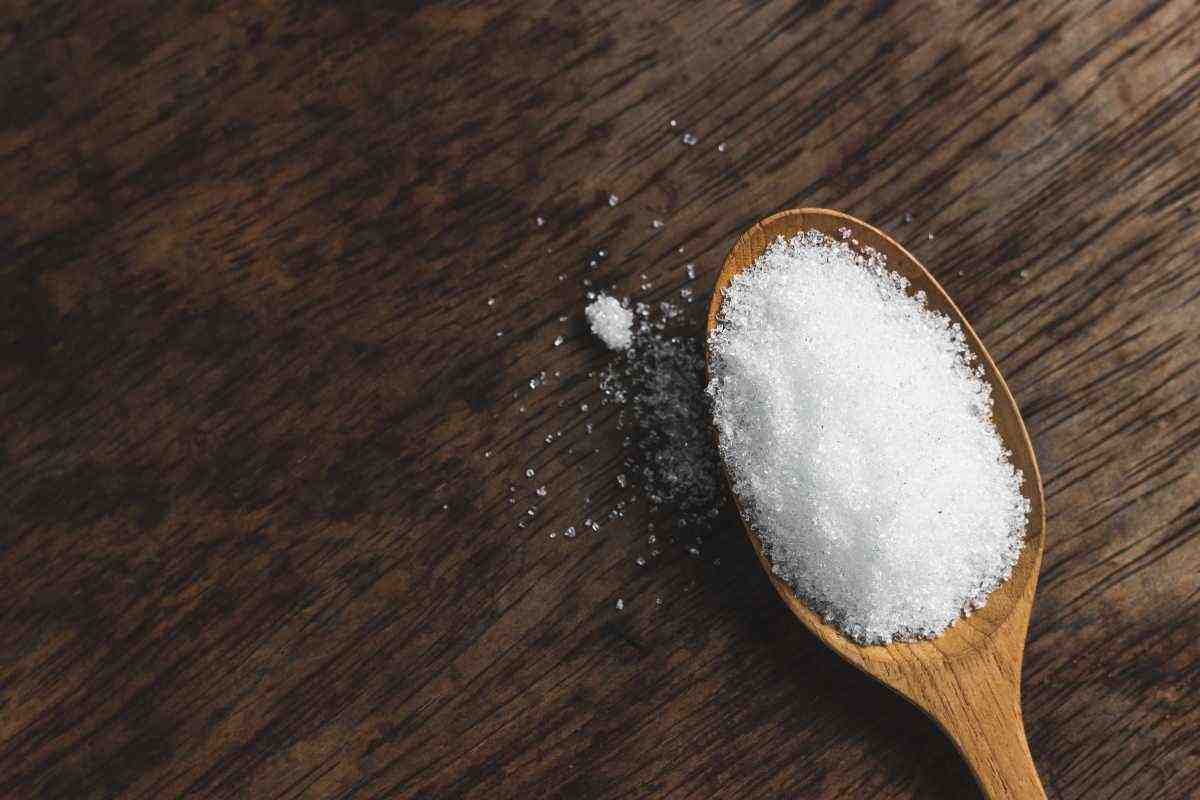
Elevate Your Beverage Experience with Customized Non-dairy Creamer
In a world where personalization is key, why settle for one-size-fits-all when it comes to your coffee and tea? Introducing our customized non-dairy creamer—the ultimate solution for those who seek to tailor their beverage experience to their exact preferences.

Imagine having a creamer that’s crafted just for you. Our personalized non-dairy creamer offers a unique opportunity to enjoy a product that aligns perfectly with your taste and dietary needs. Whether you’re vegan, lactose-intolerant, or just prefer a plant-based alternative, we provide a range of options to create a creamer that matches your specific requirements.
Tailored to Your Taste
Our customization process allows you to choose from a variety of flavors, sweetness levels, and even texture preferences. Want a hint of vanilla with a touch of caramel? Or maybe a subtle almond flavor with a smooth, creamy texture? The choice is yours. By tailoring the creamer to your exact specifications, we ensure that every sip of your coffee or tea is a delightful experience that meets your exact tastes.
Health-Conscious and Eco-Friendly
Beyond taste, our product is crafted with high-quality, plant-based ingredients, ensuring it’s free from dairy, artificial colors, and preservatives. This not only makes it a healthier choice but also a more environmentally friendly one. We use sustainable practices in our production and packaging processes, so you can enjoy your customized creamer with the knowledge that it’s better for you and the planet.
Perfect for Any Beverage
Whether you’re a coffee connoisseur or a tea enthusiast, our customized creamer seamlessly integrates into your favorite beverages. Its rich, creamy texture and personalized flavor profile enhance your drink, turning every cup into a personalized indulgence.
Our customized non-dairy creamer is more than just a coffee additive. It's a way to make your daily beverage experience uniquely yours. Embrace the power of personalization and make every sip a reflection of your individual taste and values. Discover how a custom touch can transform your drink today!
Why Choose Our Foaming Non-dairy Creamer?
In today’s fast-paced world, we’re all looking for simple yet delightful ways to enhance our daily beverage experience. Whether you’re a coffee aficionado or a tea enthusiast, our foaming non-dairy creamer can add an unparalleled touch of flavor and texture to your drinks.

Why Choose Our Foaming Non-dairy Creamer?
First and foremost, our foaming non-dairy creamer is designed for those who seek the ultimate taste experience. Its unique foam formula quickly blends with hot beverages, creating rich and long-lasting foam that delivers a creamy texture and delightful flavor. Whether it’s your morning espresso or an afternoon tea, a scoop of our creamer instantly transforms your drink into a café-quality treat.
Health and Environmental Benefits
Our non-dairy creamer is made with high-quality plant-based ingredients, completely free of dairy, making it an ideal choice for those with lactose intolerance or dairy allergies. Additionally, it contains no artificial colors or preservatives, offering a healthier and more natural option. You can enjoy it at breakfast or during leisure time without worrying about adverse health effects.
We are also committed to environmental sustainability. Our packaging design uses recyclable materials, minimizing the environmental impact. This commitment reflects not only our dedication to your health but also our responsibility towards the planet.
Perfectly Suited for Any Beverage
Whether you prefer a rich latte or a refreshing iced coffee, our foaming non-dairy creamer blends seamlessly into your drink. Its unique foaming effect adds a layer of smooth, creamy foam to every cup, enhancing the overall flavor. Every sip becomes a moment of enjoyment.
Whether you're looking to enhance the taste of your coffee or seeking a healthy alternative to traditional creamers, our foaming non-dairy creamer is your best choice. Make our creamer your secret weapon for elevating your daily beverages with magical foam and flavor!
With the increasingly sophisticated food processing technology, food preservatives have become an indispensable role in the development of the industry. In order to ensure that the packaged food can be better stored, the application of preservatives has also ushered in a huge development market. One of the most modern preservatives in the food sector is sorbic acid, which is chemically close to food and, in addition to being easy to use and cost-effective, is extremely effective against many microorganisms. Moreover, it does not affect the aroma and taste of the products it preserves. Sorbic acid and its potassium and calcium salts (E200, E202 and E203, respectively) have been approved for use in a large number of food products worldwide. Sorbic acid is unsaturated hexacarbonic acid, colorless needle-like crystals or white crystalline powder, tasteless and odorless.
Potassium sorbate is the potassium salt of sorbic acid, white, almost odorless powder, or granular, so the dust is very low. Calcium sorbate is the calcium salt of sorbic acid, a white, almost odorless powder. Sorbic acid is an unsaturated fatty acid similar to those naturally occurring in foods that are broken down and utilized in the body.The ADI is 25mg/kg. Sorbic acid is therefore considered to be food-related and a large number of scientific studies on sorbic acid have been carried out by researchers under the supervision of international authorities, which have proved that sorbic acid and its salts are physiologically inert and not hazardous to health.
Sorbic acid and its salts do not react with other ingredients of foodstuffs and do not have the property of forming complexes. Therefore, the use of sorbic acid does not affect the bioavailability of, for example, minerals.
Sorbic acid causes almost no allergic reactions. Scientific and technical literature shows that sorbic acid has by far the lowest sensitizing properties of all preservatives.
Sorbic acid (E200) and potassium sorbate (E202) are approved worldwide as preservatives for use in a large number of food products, and calcium sorbate (E203) has been approved for use in a number of countries. In the United States, sorbic acid, potassium sorbate and calcium sorbate are classified as “Generally Recognized As Safe” (GRAS), a definition that emphasizes the fact that both sorbic acid and sorbate salts are physiologically inert.
The CTFA (Cosmetic Trade and Fragrance Association) in the United States classifies sorbic acid and sorbates as safe for use in cosmetic products.The EC Cosmetics Directive and many national regulations authorize the use of sorbic acid and sorbates as preservatives in cosmetic products. In many countries, sorbic acid and sorbate salts are approved for use in pharmaceuticals and animal feed.
Antimicrobial effect of sorbic acid and its salts
Sorbic acid is an acidic preservative that inhibits bacteria, molds and yeasts. As with other organic acid preservatives, the efficacy of sorbic acid varies with the pH of the product; the lower the pH of the product, i.e., the more acidic it is, the greater the efficacy of the preservative, and therefore the lower the dosage of preservative required. The same is true of sorbates, which are simply applied forms of sorbic acid.
This acid is formed from sorbate salts in the acidic pH range. Its anti-mold effect decreases with increasing pH. It is effective in inhibiting mold at pH 3, and still has an inhibitory effect at pH 6, but the concentration required is large, and the minimum concentration (MIC) for complete inhibition at pH 6 generally exceeds 0.2%. Sorbic acid inhibits biological growth and preservation by inhibiting the dehydrogenase system within microorganisms. Sorbic acid has a good preservative effect on jams, beverages, and pasta products with low pH, but for foods with high pH, it is often necessary to add acid to lower the pH and then use sorbic acid in order to achieve the preservative effect. This adversely affects the flavor, water retention, elasticity and its natural quality of the food.
Application in meat and aquatic products
Fish products
For salted fish, potassium sorbate can be added to fish products by placing it in brine or mixing it with dry table salt. Short-term shelf-stable foods (e.g. fish tacos, herring and salmon fillets) can be effectively and permanently protected against bacterial contamination by the addition of potassium sorbate or sorbic acid, even during the storage period and in open-ended packaging formats.
Sorbic acid and potassium sorbate are effective in preventing corrosion of air-dried and smoked fish by molds and yeasts. For example, dried pickled cod is processed by treating the fish with sorbic acid and salt at a level of 2%-4%.
Dried cod can be dipped or sprayed with a 5-10% solution of potassium sorbate to prevent subsequent mold decay. A 5-10% solution of potassium sorbate may be sprayed either before or after smoking the dried fish to inhibit mold growth. The concentration of the final product should be 0.05%-0.15%. The shelf life of small shrimps can be extended by adding 0.4%-0.8% powdered sorbic acid.
Meat and sausage products
Potassium sorbate has obvious antiseptic and antibacterial effects compared with sodium benzoate, and is especially strong against mold. Fresh pork and fresh chicken soaked with potassium sorbate can extend the expiration date, and there is no adverse effect on its sensory characteristics after cooking. The addition of potassium sorbate to cured and smoked meat products reduces the sodium nitrite content, which reduces the potential danger of the formation of carcinogenic nitrosamines. It also has no adverse effect on the color and aroma of the products. Hard and dry sausages, smoked hams and jerky and similar products can be soaked in a 5%-20% solution of potassium sorbate to prevent mold decay.
Mold growth on sausage casings can be prevented by adding 0.2-0.4% sorbic acid or potassium sorbate. Mold growth can be prevented by adding 0.05%-0.08% sorbic acid to certain frankfurter cooked sausages (with or without casings) during the slicing process or by surface treating the resulting sausages with a 5% solution of potassium sorbate.
Synergistic effect
As potassium sorbate is an acidic preservative, it is recommended to use organic acids, such as citric acid, lactic acid salts, etc. These organic acids not only have their own antiseptic effect, but also regulate the pH value, which is conducive to the persistent play of the preservative effect of potassium sorbate.
Potassium sorbate preservation is mainly sorbic acid can inhibit mold and other microorganisms within the dehydrogenase enzyme system, to inhibit the growth of mold and so on. However, when the mold pollution is serious or has begun to rot, the mold can be potassium sorbate for the culture medium, resulting in sorbic acid does not play any role. Therefore, adding potassium sorbate is only one of the ways to extend the shelf life, the preservation of meat products is also related to the temperature of raw materials, moisture activity, and control of external and internal factors are closely related.
GNFCHEM is professional Food Additives manufacturer, please follows us and get more products catalogue and price!
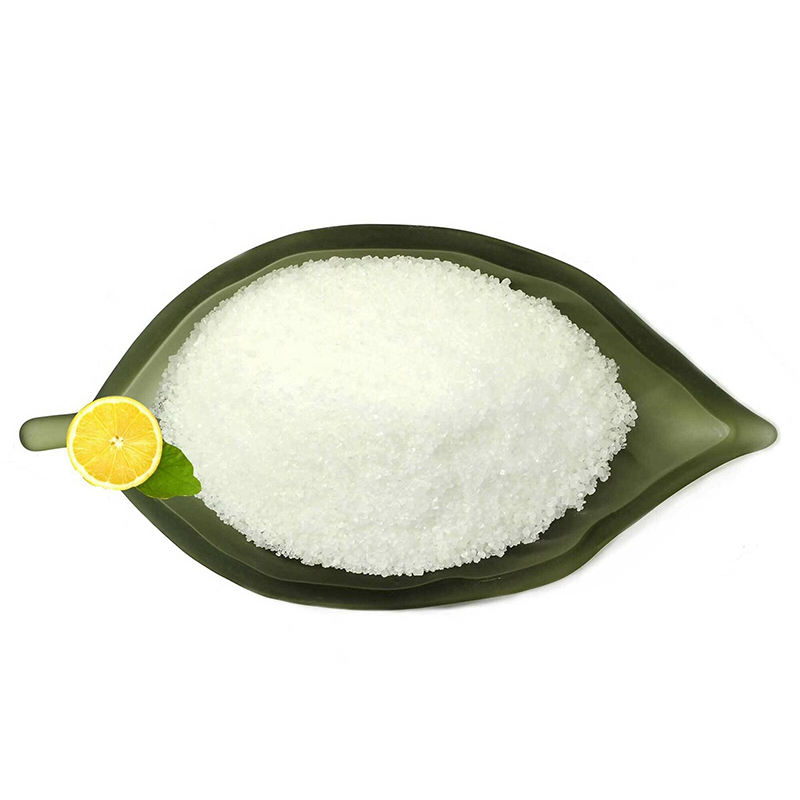
What is carrageenan?
Carrageenan, also known as kirin gum, lithospermum gum, antler gum, and carrageenan gum, is a hydrophilic colloid extracted from kirin, lithospermum, antler, and other red algae seaweeds, and has a chemical structure consisting of calcium, potassium, sodium, and ammonium salts of sulfate esters of polysaccharides composed of galactose and dehydrated galactose. Due to the different binding forms of the sulfate esters, it can be categorized into K-type (Kappa), I-type (Iota), and L-type (Lambda). Carrageenan is used as binder, stabilizer, emulsifier, thickener, etc. It is widely used in the manufacture of jellies, ice creams, pastries, soft candies, canned goods, meat products, porridge, silver ear bird's nests, soups, cold foods and so on.
As early as 600 years ago, the Irish people used carrageenan-containing components of the "wrinkled hornbeam" seaweed to make milk jelly to form a jelly-like texture, and later brought red algae to the United States. With the emergence of carrageenan separation technology, the beginning of the industrialization of carrageenan production and processing, and after the Second World War gradually became the global food industry the amount of seaweed extracts.
In addition to food processing, jellies, chocolates, candies, beverages, dairy products, meat products and other foods contain this ingredient, but also be used in toothpaste, detergents, body lotions, cosmetics and pharmaceuticals and other fields.
1. Role in Jelly
Carrageenan as a good coagulant, can replace the usual agar, gelatin and pectin. The jelly made of agar is not flexible enough and the price is high; the disadvantage of jelly made of gelatin is that the solidification and melting point is low, and low temperature refrigeration is needed for preparation and storage; the disadvantage of pectin is that it needs to add high solubility sugar and adjust the proper pH value to solidify. Carrageenan does not have these shortcomings, with carrageenan jelly made of elasticity and no water separation, therefore, it has become a jelly commonly used gelling agent.
2. Application in soft candy
Carrageenan to do transparent fruit soft candy in our country early production, its fruit flavor, moderate sweetness, crisp and non-stick teeth, and better transparency than agar, the price is lower than agar, added to the general hard and soft sugar can make the product taste smooth, more elasticity, viscosity is small, high stability.
3.Application in ice cream
In the production of ice cream and ice-cream, carrageenan can make the fat and other solid ingredients evenly distributed, to prevent the separation of the milk component.
and ice crystals increase in manufacturing and storage, it can make ice cream and ice cream organization delicate, smooth and delicious. In the production of ice cream, carrageenan can interact with the cations in milk to produce unique gelling properties, which can increase the molding and anti-melting properties of ice cream, improve the stability of ice cream during temperature fluctuations, and it is not easy to melt when placed.
4. Carrageenan development prospects
Carrageenan has good gelation, solubility, stability and other characteristics, which makes carrageenan has a wide range of applications in the field of food processing and production. And the reactivity with protein is all water-soluble macromolecules do not have, which makes it has a high application value in dairy products. With the in-depth study of the structure and properties of carrageenan, the application of carrageenan is becoming more and more extensive, especially it also has a broad-spectrum antiviral activity, which has attracted great attention from domestic and foreign pharmacologists. Carrageenan oligosaccharides and oligosaccharides produced by biodegradation of carrageenan have unique new physiological activities, such as anti-virus and anti-tumor. It is believed that in the future, the application field of carrageenan will be more and more extensive.
GNFCHEM is professional Food Additives manufacturer, please follows us and get more products catalogue and price!
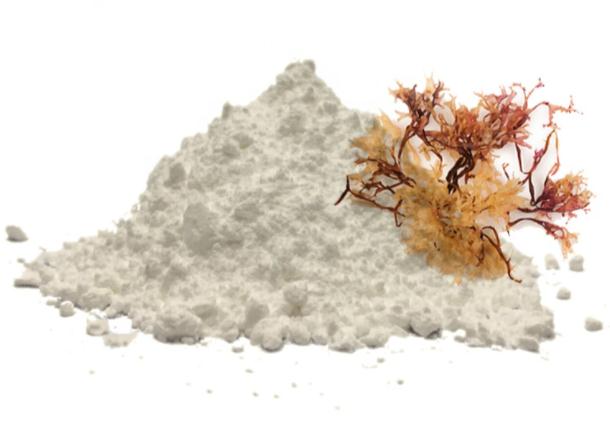
Thickeners, also known as gelling is a rheological additives, in daily work and life often in contact with, widely used in food, coatings, adhesives, cosmetics, detergents, printing and dyeing, rubber, medicine and other fields. Among them, it is also called paste or food glue when used in food. Most of the thickeners belong to hydrophilic polymer compounds, generally using the physical expansion of the expansion of the chemical reaction of the two principles to play the effect of thickening and viscosity. Thickener molecules contain many hydrophilic groups, such as hydroxyl, carboxyl, amino and carboxylate, etc., which can hydrate with water molecules. Usually, food thickeners are polymer hydrophilic colloidal substances, most of which are extracted or processed from natural plants and animals. Sources of food thickeners
Thickeners are added in very small quantities in food engineering, usually only a few thousandths of the total weight of the product, but can be both effective and scientifically healthy in improving the stability of the food system. Most food thickeners are chemically composed of natural polysaccharides or their derivatives, which are widely distributed in nature. Currently available sources of thickeners used in the food industry can be broadly categorized into two types, namely, natural thickener grade and synthetic thickeners.
Natural thickeners
Thickeners derived from natural plants and animals. Algae produced gum and its salts, such as alginate, agar, carrageenan, etc.; tree exudate formation of gum, such as gum arabic; plant seeds made of gum, such as guar gum, locust bean gum, etc.; plants made of certain tissues of the gum, such as starch, pectin, konjac gum, etc.; animal secretion or its tissues made of gum, such as gelatin, casein; microorganisms reproduction of secretion of the gum, such as xanthan gum, junction of cold gum, etc..
Synthetic thickeners
Artificially synthesized by chemical methods of food thickeners. Natural thickening agent modified substances and pure synthetic thickeners. Such as: propylene glycol alginate, calcium hydroxymethyl cellulose, sodium hydroxymethyl cellulose, sodium starch phosphate, sodium starch glycolate. Pure chemical synthesis: sodium polyacrylate, sodium carboxymethylcellulose and so on.
Application of thickeners in food
The role of thickeners in food is mainly to improve the viscosity of food or with the formation of gels, to maintain the relative stability of the system of hydrophilic substances, so as to change the physical properties of the food, giving the food viscous, suitable for the taste, and both emulsification, stabilization, or to make the role of the substance in a state of suspension. Application of thickeners in food
Application in meat processing
At present, the thickening agent used in meat products are mainly starch, modified starch, soy protein, gelatin, agar, xanthan gum, carrageenan, guar gum, composite edible gum and poultry eggs. The use of food thickeners can improve the taste of meat products, and increase the adhesion of meat products and water retention, reduce fat precipitation, improve yield.
For example, adding soy protein in ham products can improve its yield, increase the protein content, so that the product shows a good shape; in the canned meat to add gelatin, can improve the product surface gloss, increase product elasticity; in the square ham, luncheon meat and other minced meat products to add xanthan gum can significantly improve the tenderness of the product, the color and flavor, and to improve water retention of meat products, thereby improving the yield.
Application in noodle products
Thickeners in noodle products are a class of commonly used food additives, which can improve the toughness and smoothness of noodles, reduce the cooking loss of noodles, increase the bite, improve the taste, and greatly enhance the comprehensive quality of noodle products.
Noodles in the application of thickeners are mainly xanthan gum, sodium alginate, guar gum, konjac gum, sodium hydroxymethylcellulose and so on. Sodium alginate in the noodles in the general amount of 1% - 1.5%, can improve the product taste, improve the degree of maturity, improve the elasticity and plasticity of the dough; guar gum can increase the viscoelasticity of the noodles, improve the cooking resistance, improve the surface finish, etc.; konjac gum can improve the viscoelasticity of the noodles and gluten, improve the texture, increase the bite and other effects.
Application in jelly drinks
Thickeners in jelly, ice cream, can play a role in thickening, gelling and so on. Such as adding carrageenan jelly elastic and simple preparation process, so instead of agar, gelatin and pectin is widely used in the production of jelly.
Application in other foods
As a food additive, thickeners are widely used in the food industry. In addition to the above food applications, can also be used in preservation, canning, health care, confectionery and other foods. For example, adding sodium alginate in health food has the effect of inhibiting the rise of cholesterol, total fat and total fatty acid concentration in serum and liver; agar, carrageenan, pectin and so on as a gelling agent for the production of fudge, with good elasticity and toughness, but also can be made into a variety of flavors; meat flavors added to the thickener has a thickening, salt resistance, temperature and other roles.
GNFCHEM is professional Food Additives manufacturer, please follows us and get more products catalogue and price!

- Buddha Jump Over the Wall1
- Canned Abalone2
- Canned Turtle Soup1
- Edible Bird's Nest2
- Frozen Foods1
- Frozen Seafood8
- Jelly/Pudding Applications1
- Meat Product Applications2
- Others Applications5
- Plant-based meat Product Applications1
- SURIMI2
- Soft Candy1
- Soft Candy Applications4
- bottle1
- can end2
- packaging film2
- tableware3